Can Low Pressure Cause a Boiler Shutdown?
A cold house and a boiler display showing a fault code can be worrying, particularly when the pressure gauge is sitting near zero. So, can low pressure cause boiler shutdown? Yes. Many modern domestic boilers are designed to stop working or go into lockout when system pressure falls too low. It is a built-in protection measure, not usually a sign that the boiler itself has failed beyond repair.
Low pressure is often straightforward to correct once. However, pressure that repeatedly drops is a warning that the heating system needs investigating. Topping it up again and again may restore the heating temporarily, but it does not deal with the reason water is being lost.
Can low pressure cause a boiler shutdown?
Most sealed central-heating systems need sufficient water pressure to circulate heated water around the boiler, radiators and pipework. If the pressure is too low, the boiler may not be able to operate safely or efficiently. Depending on the make and model, it may display a warning, stop producing heating and hot water, or enter a lockout that needs resetting once the pressure has been restored.
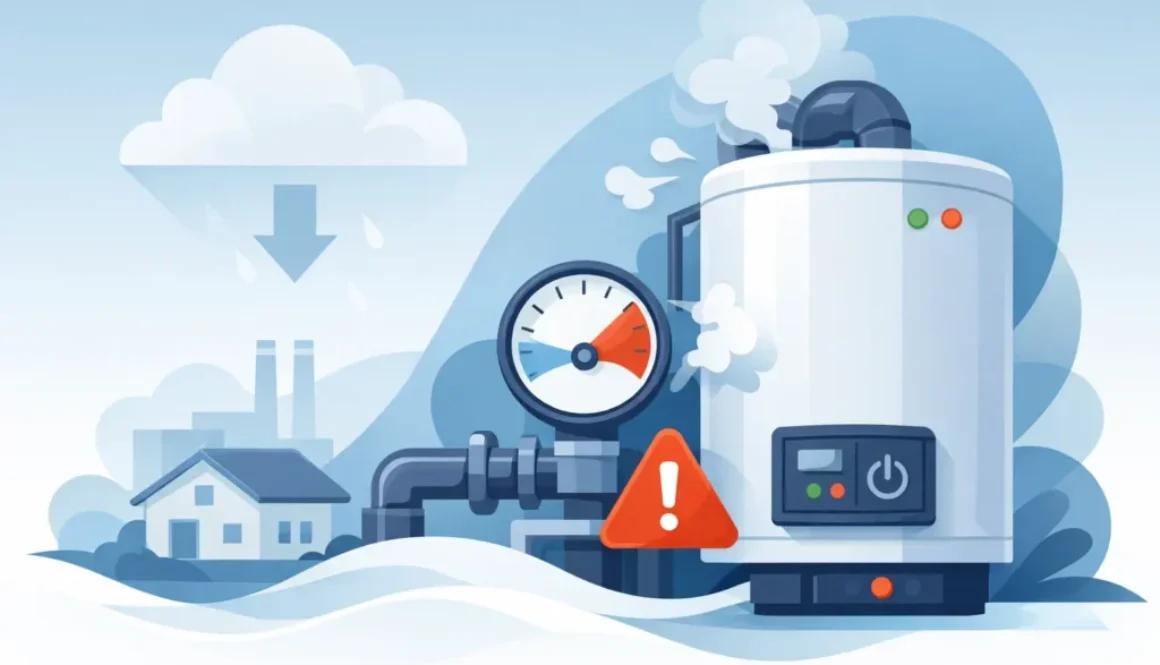
For many combi boilers, a cold pressure reading of around 1 to 1.5 bar is normal. The pressure will rise as the system heats up, often towards 1.5 to 2 bar. The correct figures can vary by manufacturer and system design, so the boiler manual remains the best reference for your particular model.
A reading below roughly 1 bar is commonly considered low. At around 0.5 bar or lower, many boilers will refuse to run. Some boilers show the pressure digitally, while others have an analogue gauge. If the gauge has a green operating section, that is a useful guide, but it should not replace the manufacturer’s instructions.
Low pressure does not cause every boiler shutdown. A fault could instead relate to the gas supply, ignition, condensate pipe, thermostat, fan, pump or an electrical issue. The pressure reading is one useful clue, not a complete diagnosis.
Why boiler pressure drops
A sealed system should not need frequent topping up. Small changes over many months can happen, but a notable drop over days or weeks suggests that water may be escaping or a component is not working as it should.
The most common cause is a leak somewhere in the heating system. This may be visible as dampness around a radiator valve, staining beneath pipework, or a small drip at the boiler. It can also be hidden beneath floors, behind boxing or within walls, which is why an apparently dry property does not rule out a leak.
Pressure can also fall after radiators have been bled. Releasing trapped air releases a small amount of water too, so the system may need repressurising afterwards. This is normal if it happens occasionally and the pressure then remains stable.
Another possible cause is a faulty pressure relief valve or expansion vessel. The pressure relief valve is designed to release water if pressure becomes too high. If it is passing water when it should be closed, the system can slowly lose pressure. A failed expansion vessel can cause the pressure to rise sharply when heating is on, trigger the relief valve, then leave the boiler low on pressure once it cools.
A heating engineer can test these components properly and trace leaks without relying on repeated top-ups. This matters because continually adding fresh water introduces oxygen into the system, which can encourage internal corrosion over time.
What you can safely check before calling for help
Start by looking at the boiler’s pressure gauge while the heating is cold. Make a note of the reading and any fault code on the display. If your boiler manual confirms that the pressure is low, and you know how to use your filling loop or built-in filling key, you may be able to repressurise the system yourself.
Follow the instructions for your exact boiler rather than guessing. Add water slowly and stop at the recommended cold pressure, usually around 1 to 1.5 bar. Avoid overfilling. Once the correct pressure is reached, make sure the filling loop valves are fully closed and reset the boiler only if the manufacturer’s instructions say to do so.
Do not remove the boiler casing, interfere with gas components, or attempt repairs to internal parts. Gas boiler work must be carried out by a Gas Safe registered engineer.
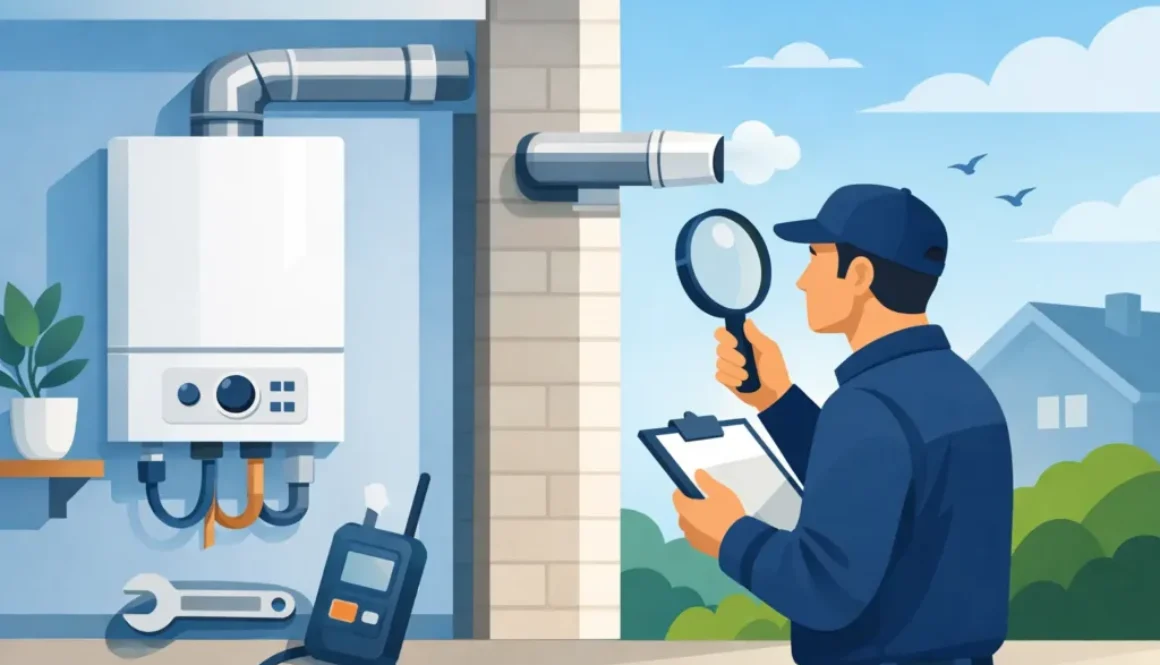
It is sensible to check visible radiator valves, pipe joints and the area beneath the boiler for signs of water. You can also look outside at the copper discharge pipe, usually near the boiler flue, to see whether it is dripping. A discharge pipe that leaks regularly can point to a pressure-relief or expansion-vessel issue, but it needs professional assessment.
If you have just bled radiators, topping the pressure up once may be all that is required. If the pressure drops again soon afterwards, do not treat it as a routine task.
When low pressure needs an engineer
Arrange a boiler repair visit if the boiler repeatedly loses pressure, there is visible water around the system, or the pressure moves dramatically between cold and hot. A boiler that climbs close to 3 bar when running and then drops low once cold is a particularly common pattern where the expansion vessel or relief valve needs checking.
You should also seek help if you are unsure how to repressurise the boiler, the filling loop will not close properly, or the boiler remains in lockout after the pressure has been restored. Forcing repeated resets is unlikely to solve the underlying problem.
Turn the boiler off and seek urgent advice if you can smell gas, suspect a gas leak, notice scorching, or see water affecting electrical parts. If you smell gas, do not operate electrical switches or naked flames. Open doors and windows if safe to do so, leave the property, and contact the appropriate emergency gas service.
For landlords, a pressure issue should be dealt with promptly rather than left for a tenant to manage. A current Gas Safety Record is essential, but it is not a substitute for repairing a boiler that is losing pressure or failing to provide reliable heating and hot water.
Avoid the cycle of topping up and hoping
Repressurising a low-pressure boiler can be a useful short-term step, especially after radiator bleeding. The trade-off is that it can hide a gradual fault if it becomes a regular habit. A boiler that needs topping up every few weeks is not behaving normally.
Frequent pressure loss can reduce heating reliability, lead to boiler lockouts at inconvenient times and allow a minor leak to become more costly. Early diagnosis is usually simpler than waiting for the boiler to stop during colder weather.
At AquaHeat Heating Services, qualified engineers investigate the cause of recurring boiler pressure loss rather than simply restoring the gauge reading. That can include checking the boiler’s safety components, visible pipework, radiator valves and the wider heating system, then explaining the repair options clearly.
A pressure gauge is a small detail, but it tells an important story about the health of your heating system. If the reading stays stable after a careful top-up, keep an eye on it. If it falls again, arranging a proper inspection can help keep your home warm, safe and free from avoidable breakdowns.