How to Choose a Gas Safe Engineer in Warrington.
When your boiler stops working, you smell gas, or a landlord certificate is due, knowing how to choose a Gas Safe engineer quickly matters. This is not a job where the cheapest quote or the first name you find should win by default. Gas work affects safety, legal compliance and the reliability of your heating and hot water, so it is worth taking a few minutes to check who you are letting into your home.
Why choosing the right engineer matters
A properly qualified engineer helps protect your household from gas leaks, carbon monoxide risks and unsafe appliances. They should also diagnose faults accurately, carry out work to the right standard and explain clearly what needs doing and what does not.
That last point matters more than many people realise. A poor engineer can cost you twice – once for the job itself and again when the original problem comes back, or when another professional has to put things right. For homeowners, that means inconvenience and extra cost. For landlords, it can also mean compliance issues and unhappy tenants.
How to choose a Gas Safe engineer: start with registration
The first check is simple. If someone is carrying out gas work in the UK, they must be on the Gas Safe Register. That includes work on boilers, cookers, fires and other gas appliances.
Do not rely on a van sticker, social media post or verbal reassurance alone. Ask the engineer to show their Gas Safe ID card when they arrive. The card should be in date, include their photo and list the types of gas work they are qualified to carry out. This point is often missed. Being registered does not automatically mean they are qualified for every kind of appliance or job.
For example, an engineer may be registered for domestic boilers but not for every specialist appliance. If you need a boiler installation, a gas fire service or a landlord gas safety certificate, make sure their qualifications match the work required.
Look at the type of experience, not just years in the trade
Experience matters, but it helps to ask the right question. Instead of only asking how long someone has been in the trade, ask how often they carry out the specific job you need.
There is a difference between a general tradesperson who occasionally handles boiler work and an engineer who regularly deals with boiler servicing, breakdown diagnosis, heating systems and gas safety checks in domestic properties. Someone can have many years behind them and still not be the best fit for your particular issue.
If you are a landlord, this becomes even more relevant. CP12 work, appliance testing and dealing with occupied rental properties require both technical competence and good communication. If you are a homeowner planning a boiler replacement, you want someone used to sizing systems properly, explaining controls and advising on efficiency, not just fitting whatever model is quickest.
Ask what is included before you agree to anything
A good quote should be clear. Whether it is for a repair, service or installation, you should understand what is included, what could change the price and what happens if extra faults are found.
For a boiler service, ask whether the price includes full safety checks, flue inspection, pressure checks and a service record. For repairs, ask whether the initial charge covers diagnosis only or includes labour for the fix. For larger jobs such as a boiler replacement, ask whether disposal of the old boiler, controls, filters, system cleaning and commissioning are part of the quotation.
This is where very low prices deserve a second look. Sometimes a cheaper quote is simply better value. Sometimes it is cheaper because important parts of the job have been left out. The lowest figure on paper is not always the lowest final cost.
Reviews and recommendations still matter, with a bit of common sense
A recommendation from a neighbour, family member or local landlord can be useful because it comes from someone who has already dealt with the engineer in a real home. Online reviews can help too, especially if they mention punctuality, tidiness, communication and whether the work solved the problem.
What you are looking for is consistency, not perfection. One poor review among many good ones is not always a warning sign. Repeated complaints about missed appointments, unclear pricing or unresolved faults are more concerning.
It is also worth checking whether reviews mention the type of work you need. An engineer with strong feedback for emergency plumbing may still be excellent, but if you need gas appliance work, boiler repairs or landlord certification, evidence in those areas is more useful.
Good communication is a sign of a professional approach
You can often learn a lot before the engineer even arrives. Do they answer questions clearly? Do they explain the next steps without jargon? Are they realistic about timescales and costs?
A dependable engineer should be able to tell you whether the job sounds urgent, what checks are likely to be needed and whether there are any safety concerns in the meantime. If they avoid straightforward questions or seem vague about registration, pricing or the work involved, that should give you pause.
Communication matters during the job as well. If a part is needed, if a repair is no longer economical, or if a boiler is classed as unsafe, you need an explanation you can understand. You should not be left guessing what has happened or why the recommendation has changed.
Insurance and paperwork are worth checking
Most homeowners do not ask about insurance, but they should. A professional gas engineer should have suitable public liability insurance in place. This shows they are operating as a proper business and provides reassurance if something goes wrong.
Paperwork after the job is important too. Depending on the work, that might include a service record, a landlord gas safety certificate, commissioning documents or details of any warning notices issued. Proper documentation protects you, and it also gives you a record for future servicing, warranty support or property sales.
Local knowledge can be a real advantage
For domestic customers in Warrington and across the North West, using a genuinely local company often makes practical sense. Local engineers depend heavily on reputation, repeat business and word of mouth, which tends to encourage a more accountable service.
They are also more likely to understand common property types in the area, typical heating system setups and the importance of being available when you need follow-up support. That does not mean every local firm is automatically the right choice, but local presence combined with proper qualifications and a solid track record is usually a good sign.
Red flags to watch for
If someone offers to do gas work but cannot show a valid Gas Safe ID card, stop there. The same applies if they pressure you into agreeing immediately, avoid giving written prices for larger jobs or become defensive when asked basic safety questions.
Be cautious of anyone who diagnoses a major fault without carrying out proper checks, or who pushes for a full boiler replacement without clearly explaining why repair is not sensible. Sometimes replacement is the right call, especially with older, unreliable boilers. But the reasoning should be clear and based on condition, cost, parts availability and efficiency, not just sales pressure.
Cash-only arrangements are not automatically a problem, but if combined with no paperwork, no clear business details and no evidence of registration or insurance, that is a risk not worth taking.
Choosing for different jobs
The right choice can vary depending on the work. For annual boiler servicing, reliability and thoroughness are key. For breakdowns, fault-finding ability and access to parts matter more. For installations, you want someone strong on system design, controls and commissioning as well as pipework.
Landlords may prioritise prompt appointments, clear certificates and engineers who understand legal responsibilities. Homeowners planning improvements may care more about long-term running costs, product advice and neat, tidy workmanship. It depends on the job, but the basics stay the same – registration, relevant qualifications, proven experience and clear communication.
At AquaHeat Heating Services Limited, we know most customers are not trying to become experts in gas engineering. They simply want someone trustworthy, qualified and straightforward to deal with. That is exactly the standard you should expect from any engineer you invite into your home.
A simple way to make the final decision
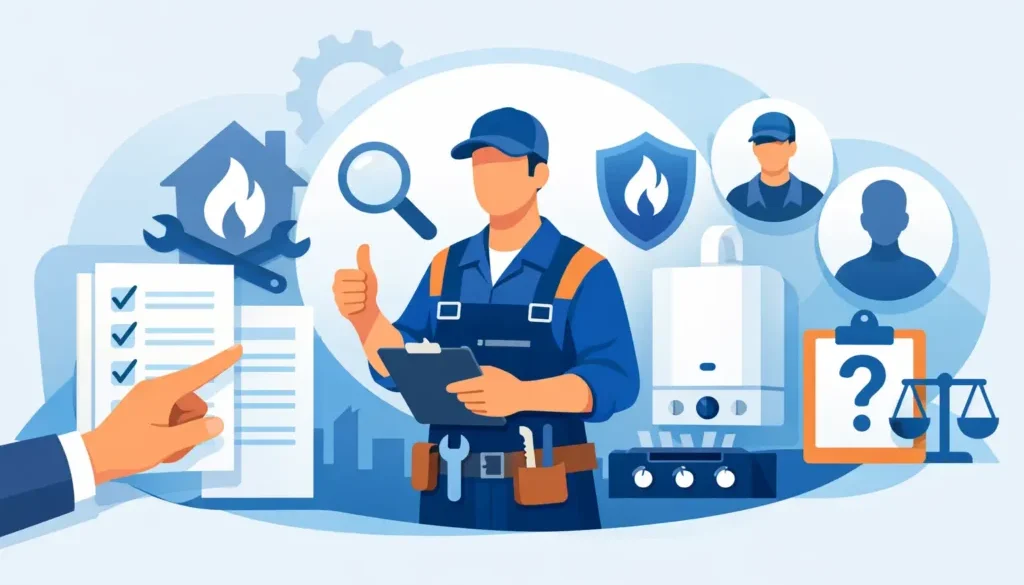
If you are comparing two or three engineers, do not overcomplicate it. Check they are properly registered, confirm they are qualified for your type of appliance, read recent feedback, ask what is included, and pay attention to how they communicate. In most cases, the right choice becomes fairly obvious.
The best engineer is rarely the one with the flashiest advert. More often, it is the one who turns up when promised, explains things properly, charges fairly and carries out safe, competent work that lasts. When gas is involved, that kind of peace of mind is worth choosing carefully.