Plumbing Repairs: When to Call a Professional
A dripping tap can be irritating. A leak beneath the kitchen sink, a toilet that will not stop filling or water coming through a ceiling is different – these are plumbing repairs that can quickly affect your home, belongings and water bills. Knowing when to turn off the water, when a simple check may help and when to call a qualified plumber can prevent a manageable fault becoming expensive damage.
For homeowners and landlords in Warrington and across the North West, the priority is usually straightforward: stop the problem safely, protect the property and get it repaired properly. The right response depends on the type of fault, where the water is coming from and whether there is any risk to electrical equipment, heating or gas appliances.
Plumbing repairs that should not wait
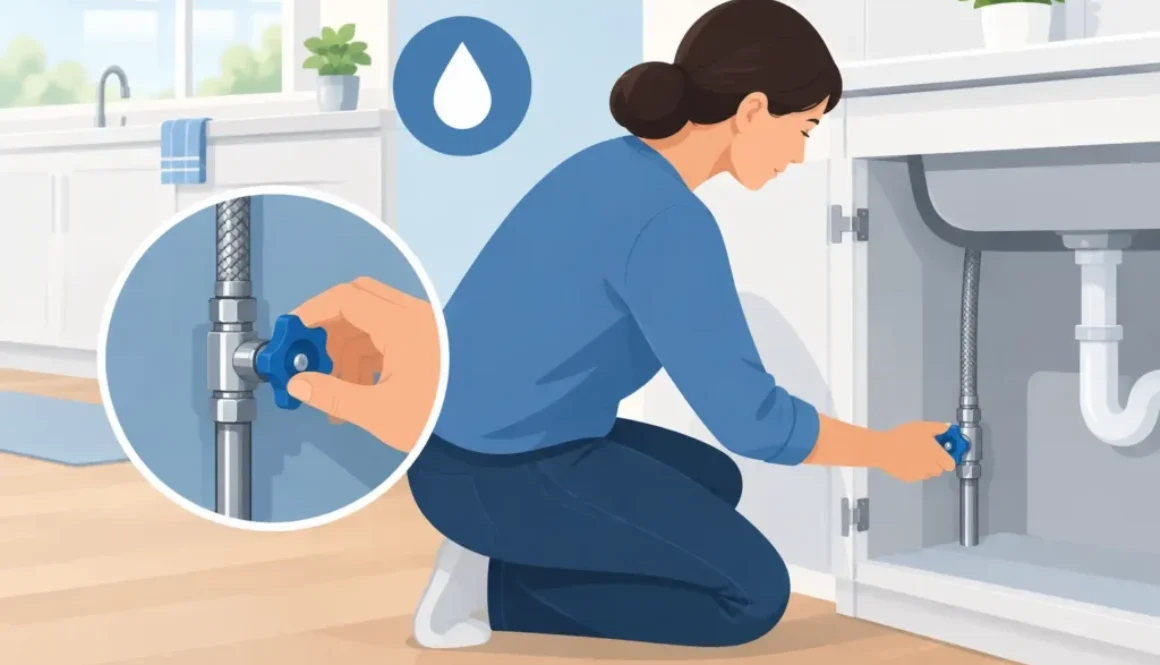
Some plumbing faults can be booked in at a convenient time. Others need prompt attention because water can travel through floors, walls and ceilings before the visible damage appears. If water is actively escaping from a pipe, fitting, radiator valve or appliance connection, turn off the stopcock if it is safe to do so. Most homes have one under the kitchen sink, in a utility area or close to where the mains water supply enters the property.
A burst pipe, a ceiling leak, a toilet overflowing or a failed cold-water tank connection should be treated as urgent. Move towels, furniture and electrical items away from the area where possible, but do not take risks around electrics. If water is close to sockets, light fittings or consumer units, switch off the electricity supply only if you can do so safely, then arrange professional help.
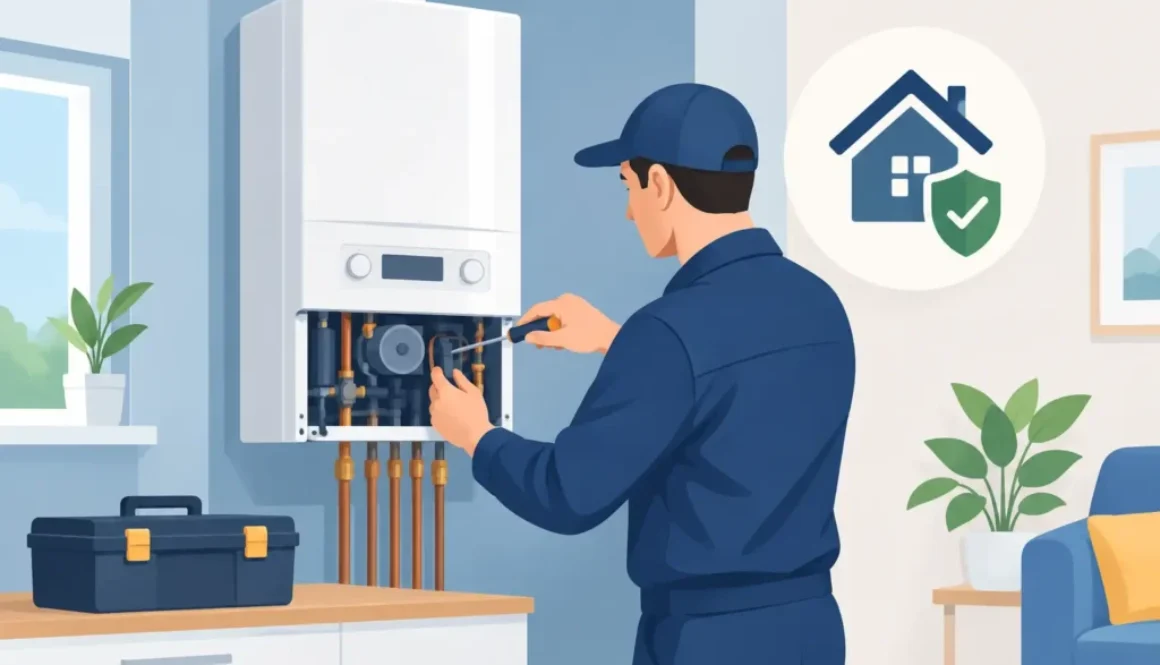
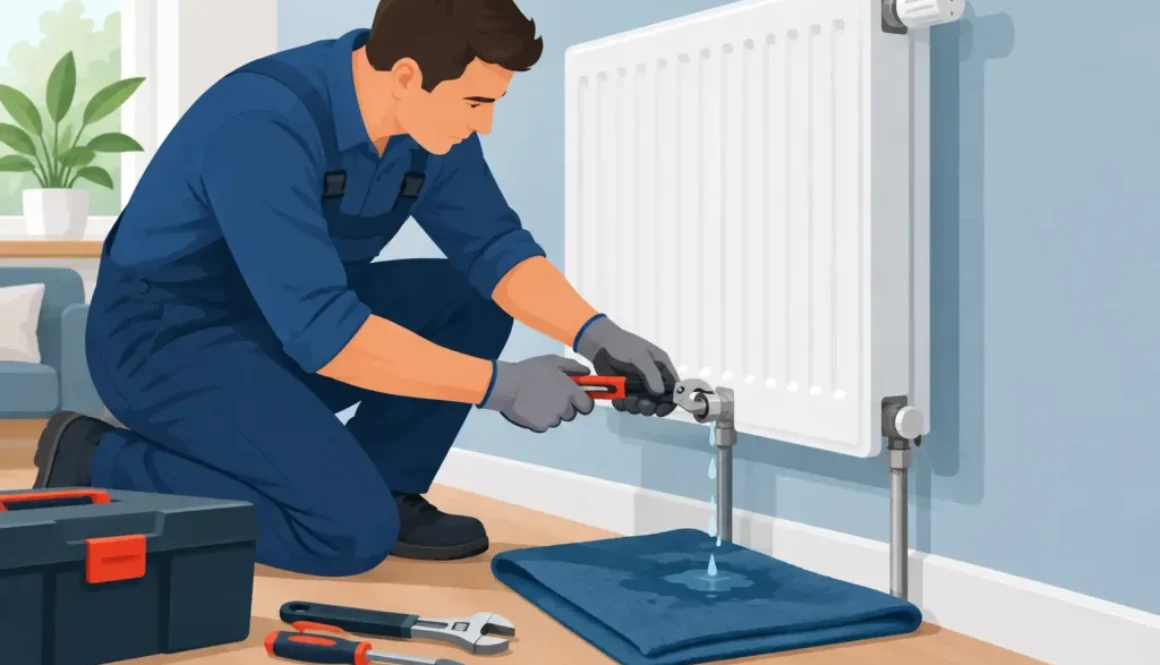
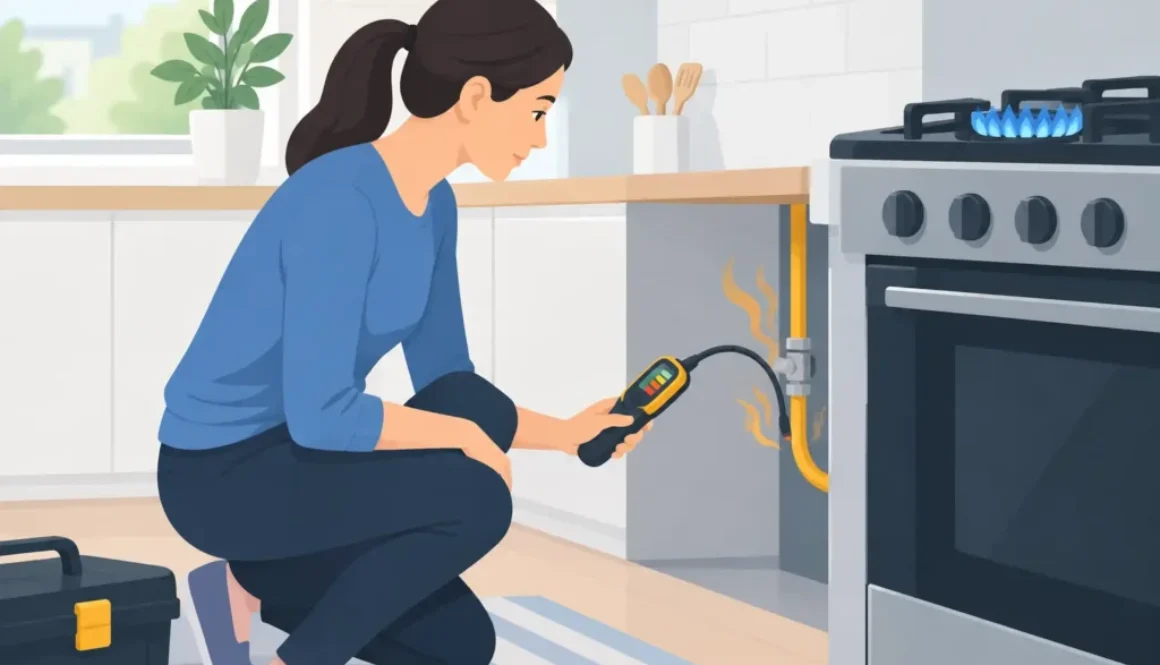
A leak from a boiler, radiator or central-heating pipework also needs attention. You may be able to reduce the loss of water by turning off the heating and isolating the system, but this depends on the installation. Do not remove boiler covers or attempt work on gas appliances yourself. A qualified engineer can identify whether the issue is a pressure problem, failed valve, corroded pipe, pump fault or another heating-system defect.
Common household faults and what they can mean
Not every issue looks dramatic at first. Slow drains, reduced water pressure and occasional dripping can all point to a developing fault. Acting early often means a smaller repair and less disruption.
Dripping taps and leaking wastes
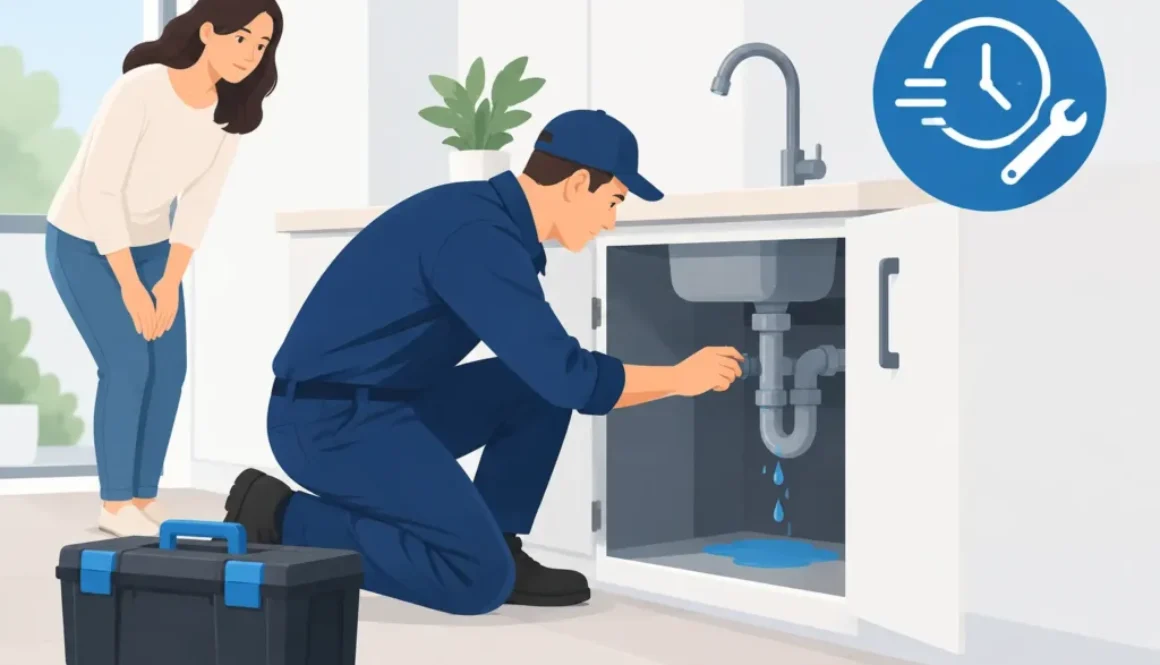
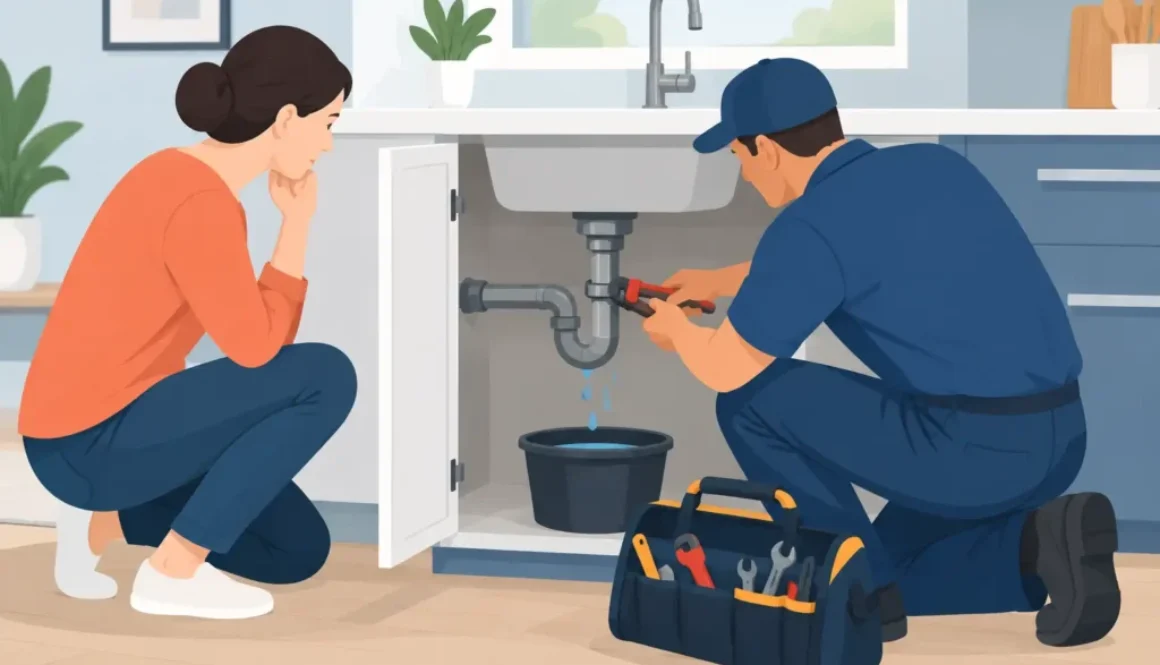
A tap that continues to drip after being turned off may have a worn washer, cartridge or valve. It can seem minor, but the wasted water soon adds up. Leaks under basins and sinks are often caused by loose trap connections, aged seals or cracks in waste pipework. You can check for obvious moisture and avoid using the fitting until it has been assessed, but overtightening plastic fittings can make the problem worse.
Toilets that keep running or will not flush
A constantly running toilet can waste a surprising amount of water. The cause may be a faulty fill valve, a worn flush valve seal or an issue inside the cistern. A toilet that is slow to flush may have a partial blockage, while one that backs up or overflows needs more urgent action. Avoid repeated flushing if the water level is rising, as this can lead to contamination and damage to flooring.
Blocked sinks, baths and showers
Hair, soap residue, grease and food waste are common causes of blockages. A plunger may help with a minor local blockage, provided the fitting is in good condition and there is no risk of forcing dirty water through another connection. Chemical drain cleaners are not always the answer. They can damage some pipework, create fumes and make later repairs more difficult for the person working on the system.
If several outlets are draining slowly, the blockage may be further along the pipe run. Gurgling sounds, unpleasant smells or water returning through another outlet are signs that it is sensible to seek professional advice rather than keep adding chemicals.
Low water pressure
Low pressure at one tap may be down to a blocked aerator, a partially closed isolation valve or a problem with the tap itself. Low pressure throughout the property is different and can relate to the incoming supply, a leak or an issue with the wider plumbing arrangement. If your boiler pressure is dropping repeatedly, that is a heating-system matter and should be investigated by a qualified engineer.
Safe checks before arranging plumbing repairs
There are a few sensible observations that can help a plumber diagnose the fault more efficiently. Note when the problem started, which rooms are affected and whether it occurs all the time or only when a tap, shower, washing machine or heating is in use. Take a clear photograph of visible staining, a leaking joint or an error display if it can be done safely.
Check whether the leak stops when a particular appliance is not running. For example, water appearing below a kitchen unit may be linked to the washing machine, dishwasher, sink waste or mains pipework. Do not pull appliances out if their hoses are tight, damaged or difficult to access. It is better to isolate the appliance supply if you know how, then leave the inspection to a professional.
Avoid temporary fixes that conceal the source of a leak. Wrapping tape around a damaged pipe may slow a drip, but it does not restore the pipe’s integrity. Likewise, repeatedly topping up a heating system without finding the cause of pressure loss can lead to corrosion and further faults over time.
Why qualified repairs make a difference
A proper repair is about more than stopping visible water. The underlying cause matters. A recurring leak may be due to movement in pipework, poor support, worn fittings, corrosion or excessive pressure. Replacing one part without assessing the surrounding installation can leave the same issue waiting to reappear.
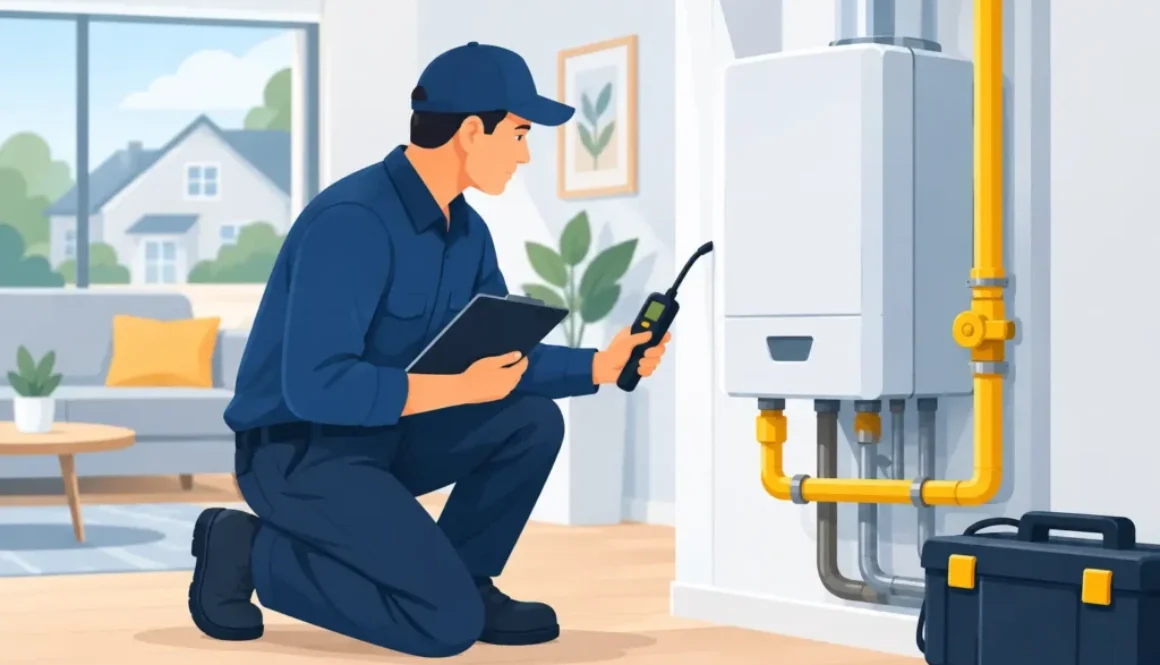
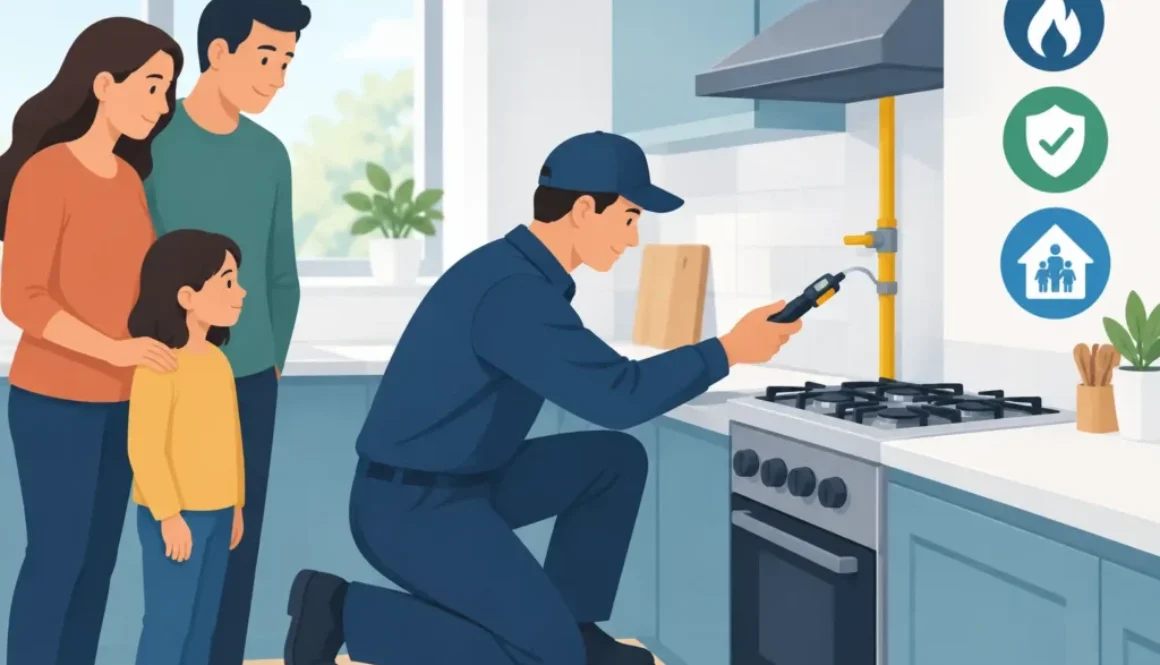
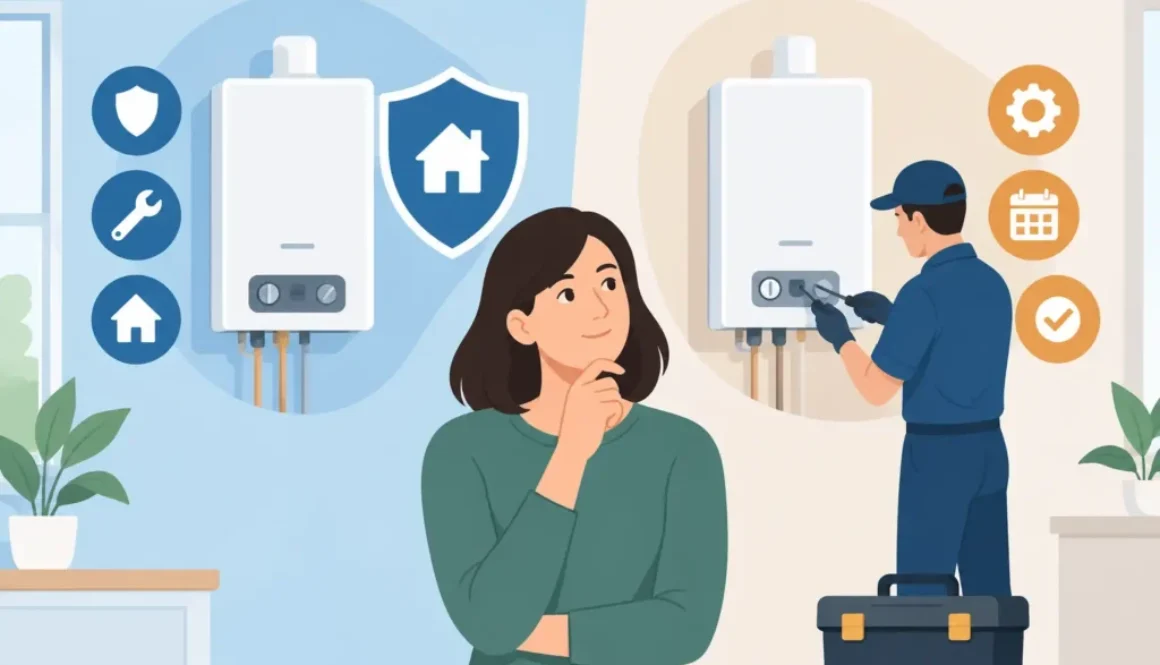
For work involving boilers, gas appliances or gas pipework, use an appropriately qualified Gas Safe registered engineer. This is essential for safety and compliance, particularly in rented properties. Landlords also have responsibilities for annual gas safety checks and must deal with reported defects promptly.
Experienced plumbers can also spot the difference between a local fault and a sign of a wider issue. A stained ceiling beneath a bathroom, for example, could be caused by a failed shower seal, leaking waste pipe, damaged grout, loose bath trap or a concealed supply pipe. The repair approach will vary considerably, which is why a careful diagnosis is worth having.
Repair, replace or plan ahead?
Many plumbing repairs are cost-effective, particularly where the fault is isolated to a valve, seal, trap, tap cartridge or short section of pipework. Replacement can make better sense when fittings are old, repeatedly failing or no longer practical to repair. This is often the case with worn taps, badly corroded pipework or bathroom components where replacement parts are difficult to source.
The best option depends on condition, accessibility and the expected life of the existing installation. A cheap repair may be reasonable for a newer fitting with a single failed part. On an ageing bathroom or heating system, a more considered repair or planned replacement can reduce repeat call-outs and disruption later.
If you are making an insurance claim following a leak, keep photographs of the damage, note the date the issue was discovered and retain any relevant paperwork. The immediate repair may be needed to make the property safe and prevent further loss, while the insurer may have separate requirements for reinstatement work.
Preventing avoidable plumbing problems
Regular attention helps. Do not pour fats, oils or food scraps down the kitchen sink, and use sink strainers where practical. Clean shower and basin wastes before hair builds up. Check visible pipework beneath sinks and around toilets occasionally for moisture, staining or corrosion, especially in cupboards that are rarely opened.
During colder weather, keep your heating at a sensible background temperature if the property will be empty and protect exposed pipes where appropriate. Know where the stopcock is and make sure it can be turned. If it has seized, arrange to have it checked before an emergency makes access essential.
For dependable domestic plumbing, heating and gas work, AquaHeat Heating Services Limited provides practical support for homeowners and landlords across Warrington and the wider North West. A prompt, professional inspection can give you clarity on the fault and a fair route to putting it right before a small leak becomes a larger job.