Combi Versus Cylinder: Which Is Right for You?
A cold shower when someone turns on the kitchen tap is often the moment homeowners start asking about combi versus cylinder systems. The right answer is not simply about choosing the newest boiler or the cheapest quote. It comes down to how many people live in your home, how you use hot water, the water pressure available and how much space you can spare.
A combi boiler and a boiler with a hot water cylinder can both provide reliable heating. They work differently, though, and each suits a different type of household. Choosing correctly at replacement stage can make a noticeable difference to everyday comfort, running costs and future flexibility.
What is the difference between a combi and a cylinder?
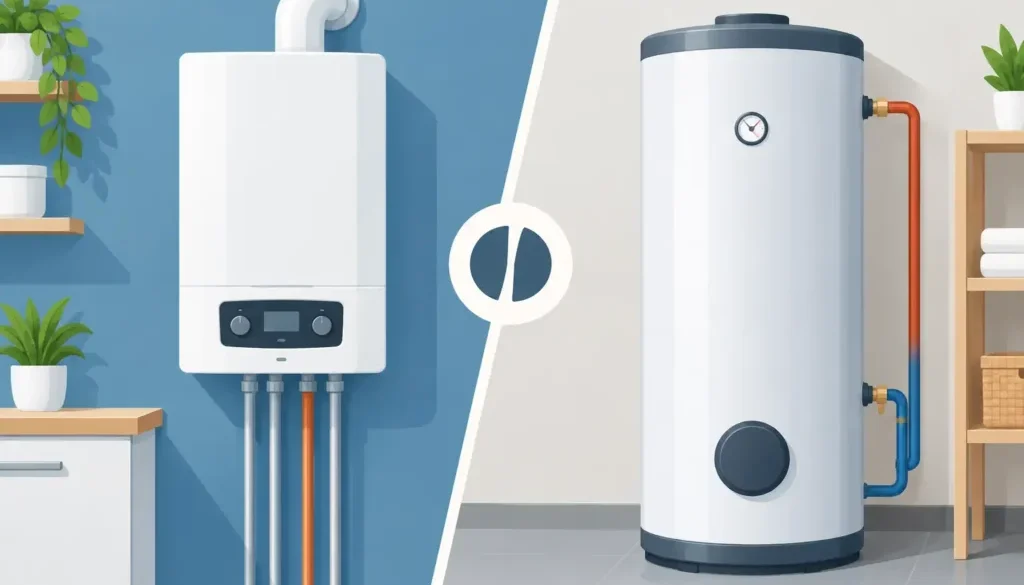
A combi boiler provides central heating and hot water from one compact unit. When you open a hot tap or start a shower, the boiler heats water directly from the mains as it is needed. There is no separate hot water cylinder and, in most homes, no cold-water storage tank in the loft.
A cylinder system stores a volume of hot water, usually in an airing cupboard or utility area. The cylinder is heated by a boiler, commonly a system boiler, although some older homes have a heat-only boiler and separate tanks. When a tap or shower is used, the home draws on the stored supply.
Modern unvented cylinders are supplied directly from the mains. Provided the incoming mains pressure and flow rate are good, they can deliver strong hot water to more than one outlet at a time. They must be installed and maintained correctly by a suitably qualified engineer because they store water under pressure.
Combi versus cylinder: the everyday difference
The key difference is whether your hot water is made as you use it or stored in advance.
A combi is excellent for a smaller household with one bathroom, particularly where space is tight. You do not have to wait for a cylinder to heat up, and you cannot run out of stored hot water. If the mains supply is adequate, it offers a simple, efficient arrangement with fewer components to accommodate.
However, a combi has a limit. Its hot water output is shared between the outlets in use. A shower may lose flow or temperature if another person runs a hot tap, fills a bath or starts using a second shower. Higher-output combis improve this, but they cannot create more water than the incoming mains can provide.
A cylinder is often the more comfortable option for busy homes. It can supply hot water to multiple bathrooms at the same time, making it well suited to larger families, homes with an ensuite and main bathroom, or properties where baths are used regularly. The trade-off is that the stored hot water is finite. Once it has been used, the cylinder needs time to reheat, although the right cylinder size and controls should prevent this becoming a regular problem.
When a combi boiler makes sense
For many flats, terraces and smaller family homes in Warrington, a combi boiler remains a sensible choice. It removes the need for a cylinder, helping to free up valuable cupboard space. It can also simplify a replacement where the existing property already has a combi system.
A combi may be right if your home has one bathroom, your household is small, and people are unlikely to use several hot-water outlets together. It is also a practical option where you prefer a straightforward system with hot water available on demand.
The important check is the mains water supply. A powerful new combi boiler cannot compensate for poor incoming flow from the water main. Before recommending a model, a heating engineer should assess the property and ask realistic questions about shower use, baths, family size and future plans.
A combi is not automatically the best option for every small home. For example, a one-bathroom property with a very large bath or a low mains flow rate may need a different solution. The boiler choice should follow the home’s requirements, rather than a one-size-fits-all rule.
When a cylinder system is the better choice
A cylinder is normally worth considering when hot-water demand is high or likely to grow. If two showers may run at once, if there are several regular bath users, or if the property has two or more bathrooms, stored hot water can provide a more dependable experience.
It is also often the best fit for larger homes with plenty of radiators. A system boiler and cylinder arrangement can deliver the heating output required while maintaining a useful hot-water reserve. With an unvented cylinder and good incoming mains supply, showers can feel noticeably stronger than they would on an undersized combi arrangement.
Cylinder systems can also work well with certain renewable technologies. A suitable cylinder can be specified with additional coils or connections for solar thermal systems or future heat-pump plans. That does not mean every cylinder is ready for every upgrade, so it is worth discussing longer-term plans before installation.
The main consideration is space. You need room for the cylinder and safe access for servicing. In some properties, that is easy. In others, losing an airing cupboard is a genuine inconvenience. Installation can also be more involved than fitting a like-for-like combi, especially if pipework, controls or the old tank arrangement need altering.
Cost, efficiency and running bills
The purchase and installation cost matters, but it should not be the only deciding factor. A straightforward combi replacement is often less expensive than converting to a cylinder system because there is less equipment and fewer alterations. A cylinder conversion may cost more initially, particularly if it requires new pipework, upgraded controls or changes to the water supply.
Both modern combi and cylinder systems can be efficient when correctly designed, installed and controlled. Boiler efficiency figures do not tell the whole story. A boiler that is too small, badly set up or unsuitable for your hot-water habits can still be frustrating and wasteful.
A stored hot-water cylinder has standing heat loss, meaning some warmth is lost while water is held ready for use. Modern insulated cylinders reduce this significantly. A combi avoids storing water, but it may run for short periods whenever hot water is drawn off. In practice, household routines, system sizing and good controls are more influential than broad claims that one type is always cheaper to run.
Heating controls deserve proper attention. A programmable thermostat, thermostatic radiator valves where appropriate, and correctly set hot-water timings can improve comfort without heating the home unnecessarily. If you have a cylinder, its thermostat should be set correctly and the system serviced in line with the manufacturer’s guidance.
Questions to ask before choosing
Rather than focusing only on boiler brand or output, think about how the house works on a typical weekday morning. How many people shower between 6am and 8am? Does anyone often run a bath? Are there two bathrooms in regular use? Is the current hot-water performance poor because of the boiler, or because the mains supply is restricted?
Also consider what may change over the next few years. A couple planning an ensuite, a growing family, or a landlord upgrading a larger rental property may benefit from allowing for higher demand now. By contrast, installing a large cylinder in a compact home with limited use can add cost and take up storage space without providing a meaningful benefit.
A site survey is the sensible next step. It allows an engineer to check the existing system, measure or assess flow and pressure, look at flue and condensate arrangements, and explain what is realistically possible in the property. For landlords, any gas appliance work should also be completed safely and with the right certification requirements in mind.
Do not let the old system make the decision for you
Many homeowners keep the same type of setup simply because it is what the house has always had. Sometimes that is the most cost-effective route. A well-sized replacement combi can be an excellent upgrade, while replacing an ageing cylinder system like for like may avoid needless disruption.
But an old arrangement is not always the right arrangement. If your household has outgrown a combi, a cylinder can solve repeated hot-water compromises. If an unused cylinder is occupying much-needed space and only one shower is ever used at a time, a combi conversion may be worth exploring.
The best choice is the one that matches the property, water supply and the people using it every day. A qualified local heating engineer can talk through those details clearly, so you can choose a system that feels dependable on the busiest morning, not just on paper.