Gas Safety Inspection Guide for Homes and Rentals
A boiler can appear to be working normally while a fault is developing out of sight. A loose flue connection, poor combustion or inadequate ventilation may not cause an immediate breakdown, but each can affect the safety of your home. This gas safety inspection guide sets out what to expect, who needs one and when to arrange it.
For homeowners in Warrington and the wider North West, regular checks offer reassurance that gas appliances are operating safely and efficiently. For landlords, an annual inspection is a legal requirement and provides the documentation needed to meet their responsibilities to tenants.
What is a gas safety inspection?
A gas safety inspection is a set of safety checks carried out by a suitably qualified Gas Safe registered engineer. It focuses on whether a gas appliance, its flue and the surrounding installation can be used safely.
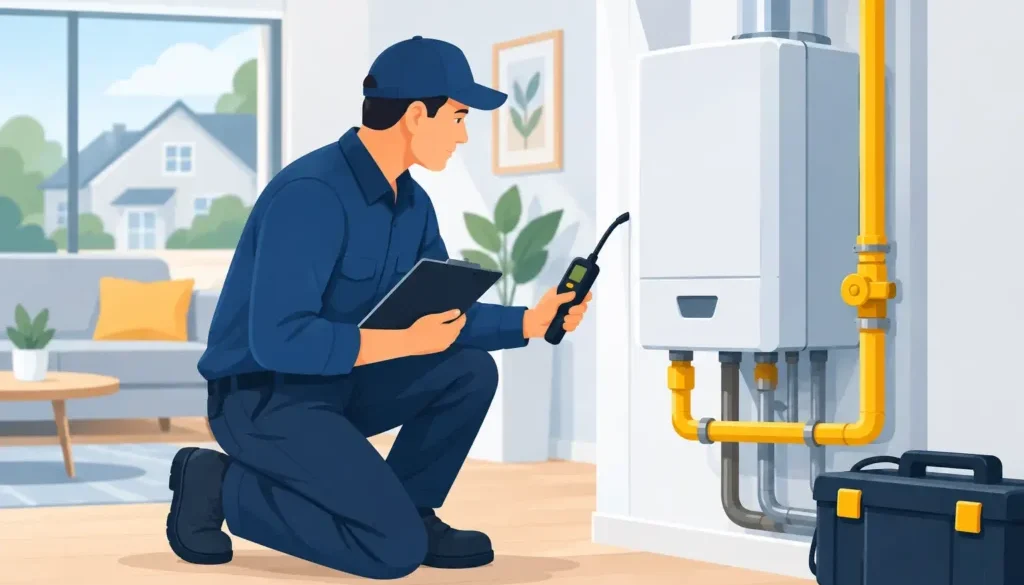
The engineer will assess appliances such as boilers, gas fires and gas cookers where applicable. They will check that the appliance is correctly installed, receiving gas at the right pressure and burning fuel properly. They will also inspect the flue, which removes combustion gases from the property, and make sure there is suitable ventilation where it is required.
The purpose is not simply to confirm that heating and hot water are available. Gas appliances can produce carbon monoxide if they are faulty, poorly maintained or unable to vent safely. Carbon monoxide has no smell or taste, so a professional inspection and a working alarm are both sensible safeguards.
A safety inspection is not always the same as a full boiler service. A service includes maintenance work and a more detailed assessment of the boiler’s condition and performance. In many cases, arranging an annual boiler service at the same time as a gas safety inspection is the most practical option, particularly for owner-occupied homes.
Who needs an annual gas safety check?
Landlords must arrange a gas safety inspection every 12 months for gas appliances and flues they provide in rented properties. This applies to private landlords and includes appliances in communal areas where tenants use them.
After a satisfactory inspection, the engineer issues a Landlord Gas Safety Record, commonly called a CP12 certificate. Landlords must provide a copy to existing tenants within 28 days of the check and to new tenants before they move in. Records must be kept for at least two years.
The certificate covers the appliances and flues that are the landlord’s responsibility. A tenant’s own gas appliance is not normally included, although its presence may still need consideration if it affects the safety of the wider installation. If you are unsure what should be checked, discuss the appliances at the property when booking.
Homeowners are not legally required to hold a CP12 certificate for their own home. However, an annual boiler service and regular attention to all gas appliances remain strongly recommended. It is a straightforward way to identify developing faults before they become a safety issue, a cold home or an unexpected repair bill.
What does an engineer check during a gas safety inspection?
The exact work depends on the property and appliances installed, but a competent engineer will carry out appropriate visual and operational checks. This can include examining the condition and location of each appliance, checking accessible pipework and confirming that controls operate correctly.
They will test whether the appliance is burning gas safely and whether combustion products are being removed properly through the flue. The flue terminal outside the property should be clear and correctly positioned. Inside, the engineer will look for signs of damage, corrosion, poor installation or unsafe alterations around the appliance and its flue route.
Ventilation is another important part of the assessment. Some appliances require fixed ventilation openings to provide enough air for safe combustion. These should never be blocked or covered, even if they create a draught.
Where necessary, the engineer may carry out gas tightness testing to check for leaks in the installation. They may also check the effectiveness of safety devices and look for warning signs such as staining, unstable flames or heat damage around an appliance.
If the appliance is found to be unsafe, the engineer will explain the issue clearly. Depending on the severity, they may turn off or label the appliance to prevent use until repairs have been completed. This can be inconvenient, especially in colder weather, but it is the right action where there is a genuine risk.
How often should you book a gas safety inspection?
For landlords, the answer is every 12 months. It is sensible to plan the appointment before the existing certificate expires rather than waiting until the last few days. A booking window can help keep the renewal date manageable, but the inspection still needs to be completed within the permitted timeframe for the certificate to remain valid.
For homeowners, annual servicing is a good routine, ideally before the heating is needed every day. Late summer or early autumn is often a sensible time, although any time of year is better than putting it off. Booking earlier can also make it easier to arrange repairs before winter demand increases.
You should not wait for the yearly appointment if you notice a problem. Arrange professional help promptly if the boiler keeps losing pressure, the pilot light goes out repeatedly, flames are lazy or yellow rather than crisp blue, or you see black marks around a gas appliance. Headaches, dizziness, nausea or unusual tiredness that improve when you leave the property can also be signs of possible carbon monoxide exposure.
Preparing for the inspection
A little preparation helps the visit run smoothly. Make sure the engineer can reach the boiler, gas meter, appliances and any relevant flue access points. Remove stored items from boiler cupboards and avoid boxing in pipework or flues without proper consideration of access and ventilation requirements.
If you are a landlord, tell tenants when the appointment is booked and arrange suitable access. Give proper notice before entering the property, and keep communication clear if an engineer needs to return for remedial work. A certificate does not resolve an identified fault by itself. Any defects should be dealt with without unnecessary delay.
Have any previous paperwork available if you have it, particularly service records or details of earlier repairs. This can help build a clearer picture of recurring faults, although a qualified engineer will still carry out the checks required on the day.
Choosing the right engineer
Only a Gas Safe registered engineer should work on gas appliances. Registration matters because it confirms the engineer is qualified for the relevant type of gas work. Before work starts, ask to see their Gas Safe ID card and check that they are approved for the appliance involved, such as boilers, cookers or fires.
Price matters, but it should not be the only consideration. A very low quote may not include the full inspection, certification or time needed to investigate a concern properly. Ask what is included, whether a certificate will be issued where required and how any faults will be reported. Clear answers at the outset usually prevent misunderstandings later.
For local households and landlords, using an established engineer can also make follow-up easier if a repair, replacement part or further testing is needed. AquaHeat Heating Services Limited provides domestic gas, heating and plumbing work with a safety-first approach across Warrington and surrounding areas.
Carbon monoxide alarms and urgent gas concerns
A carbon monoxide alarm is an essential extra layer of protection, but it does not replace servicing or inspection. Follow the manufacturer’s instructions on where to position it and test it regularly. In rented homes in England, landlords have specific carbon monoxide alarm duties where fixed combustion appliances are present, with gas cookers treated differently under the regulations.
If you smell gas, do not use electrical switches, smoke, light matches or create a flame. If it is safe to do so, turn off the gas supply at the meter, open doors and windows, leave the property and call the Gas Emergency Service on 0800 111 999. If anyone feels unwell or you suspect carbon monoxide poisoning, get into fresh air immediately and seek urgent medical advice.
A planned inspection is a modest investment in comfort, compliance and peace of mind. Book it before the heating season, keep the paperwork somewhere safe and act quickly when an engineer identifies a concern.