Gas Safety at Home: Checks That Protect Your Family
A boiler that has always worked quietly can become easy to overlook. But gas safety is not something to leave until a fault becomes obvious. Small changes, such as a yellow flame, a pilot light that keeps going out or unusual marks around an appliance, can be an early sign that professional attention is needed.
For homeowners across Warrington and the North West, a few sensible habits can reduce the risk of gas leaks, carbon monoxide exposure and unexpected boiler breakdowns. The key is knowing what to watch for, what you can safely check yourself and when to call a qualified Gas Safe engineer.
Gas Safety Warning Signs You Should Not Ignore
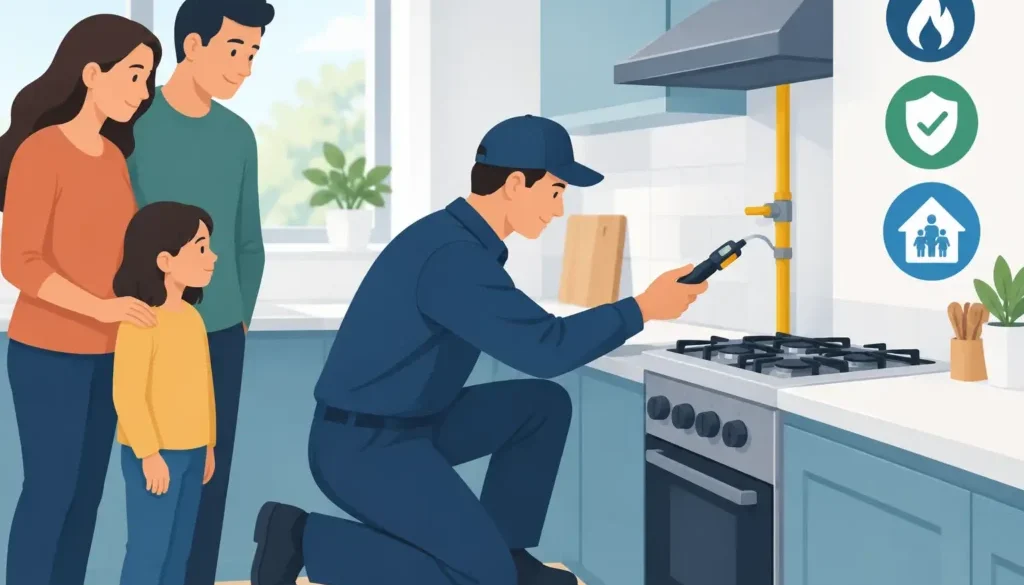
Gas appliances should burn with a crisp blue flame. If you see a lazy yellow or orange flame on your gas hob, apart from the occasional orange flicker caused by dust, arrange for it to be checked. Yellowing flames can indicate incomplete combustion, which may produce carbon monoxide.
Look out for dark staining, scorch marks or yellow-brown marks around a boiler, fire or cooker. Condensation around windows, particularly when using a gas appliance, may also point to poor ventilation or a problem with the appliance. These signs do not always mean there is an immediate danger, but they do warrant a prompt inspection.
Other warning signs include a boiler that regularly cuts out, a pilot light that will not stay lit, unusual smells when an appliance is running, or household members experiencing headaches, dizziness, nausea or breathlessness. Carbon monoxide has no smell, taste or colour, so do not rely on noticing an odour before taking action.
A gas smell is different. It is usually caused by the odour added to natural gas to make leaks easier to detect. If you smell gas, hear hissing near pipework or suspect a leak, act straight away rather than trying to find or fix the source yourself.
What to Do If You Smell Gas
Do not use naked flames, smoke, light matches or operate electrical switches. Avoid plugging appliances in or out, as even a small spark can create a risk where gas is present. If it is safe to do so, turn off the gas supply at the emergency control valve, usually located beside the gas meter.
Open doors and windows to ventilate the property, then leave the building. Call the National Gas Emergency Service on 0800 111 999 from outside or from a neighbour’s home. Do not return until you have been told it is safe to do so.
If anyone is feeling unwell and carbon monoxide poisoning is suspected, get everyone into fresh air immediately and seek medical advice. Do not return to use the appliance until it has been checked by a Gas Safe registered engineer.
Simple Checks for Safer Gas Appliances
There are useful checks that homeowners can make without removing a boiler case, touching gas pipework or attempting repairs. Start by keeping air vents, flues and outside boiler terminals clear. They need a free flow of air to work safely. Never block vents to stop draughts or improve the appearance of a room.
Outside, check that the boiler flue terminal is not obstructed by leaves, stored items, garden furniture or building work. If you have had an extension, roof work or landscaping carried out, make sure nothing has changed around the flue outlet. Exhaust gases must be able to disperse safely.
Inside, keep the boiler area clear and avoid storing paint, aerosols, cleaning products or other flammable items in an airing cupboard or close to the appliance. A boiler needs adequate ventilation and safe access for servicing. If the cupboard has been altered, fitted with new doors or used for storage, it is worth asking an engineer to confirm it still meets the appliance manufacturer’s requirements.
It is also sensible to check the pressure shown on your boiler display occasionally. Low pressure can affect heating performance, but repeatedly repressurising a boiler without finding the cause is not a long-term fix. A gradual loss of pressure may indicate a leak or an issue within the system that needs investigating.
Carbon Monoxide Alarms Are an Essential Back-Up
A carbon monoxide alarm is not a replacement for servicing, but it is an important extra layer of protection. Fit an audible alarm in rooms containing gas appliances, following the manufacturer’s siting instructions. Avoid placing it immediately next to a cooker, boiler, window or extractor fan, where readings may be affected.
Test alarms regularly using the test button and replace batteries where applicable. Check the replacement date too. Most alarms have a limited working life, even if they still appear to function when tested. A dated alarm is better replaced than trusted beyond its stated lifespan.
Choose a recognised alarm suitable for use in UK homes. If you are unsure where an alarm should go, an experienced gas engineer can advise during a service or safety inspection. It is a small precaution that can give a household valuable warning when carbon monoxide cannot be detected by sight or smell.
Why Annual Boiler Servicing Matters for Gas Safety
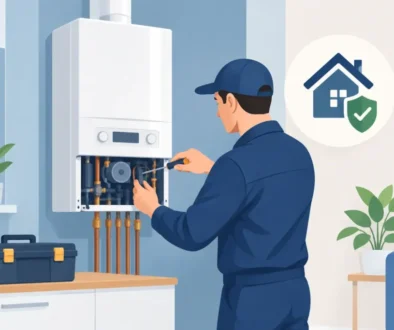
An annual boiler service is the best opportunity to identify developing faults before they become a safety issue or leave you without heating and hot water. During a proper service, a Gas Safe engineer checks the appliance is operating correctly, examines key components, tests combustion where required and confirms the flue is working as it should.
Servicing can also improve reliability and may help a boiler run more efficiently. However, the result depends on the age and condition of the appliance. A well-maintained older boiler may continue to provide dependable service, while a boiler with recurring faults, expensive repairs or poor efficiency may be better replaced. An engineer should explain the options clearly, rather than assuming replacement is always the answer.
Do not wait for winter if your boiler is overdue a service. Colder months are when a heating system works hardest and when demand for repair visits is highest. Booking maintenance ahead of the heating season gives time to deal with any issues without the pressure of a complete breakdown.
Gas Safety Responsibilities for Landlords
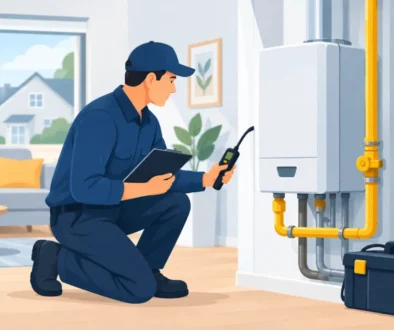
Landlords have a legal duty to arrange an annual gas safety check for every gas appliance and flue they provide in a rental property. The check must be completed by a Gas Safe registered engineer, and the tenant must receive a copy of the Gas Safety Record, often called a CP12 certificate.
This annual check is not the same as a boiler service. A gas safety check focuses on whether appliances and flues are safe to use at that time, while a service involves more detailed maintenance in line with the manufacturer’s instructions. In many properties, arranging both together is sensible, but they remain different jobs.
Landlords should keep clear records, ensure access is arranged in good time and act quickly on any defects identified. Tenants also have a role to play by reporting faults, damaged vents, alarm warnings and signs of a boiler problem promptly. Delaying a report can turn a straightforward repair into a more serious issue.
Always Use a Gas Safe Registered Engineer
Gas work should only be carried out by an engineer registered with Gas Safe for the type of appliance involved. This includes boiler repairs, installations, cooker connections, gas fires and landlord gas safety checks. Ask to see the engineer’s Gas Safe ID card and check that they are qualified for the specific work required.
It can be tempting to choose the cheapest quote or ask a handy friend to help with a minor alteration. With gas, that is a false economy. Incorrect work can put occupants at risk, invalidate insurance and create costly problems when the property is sold, let or inspected.
At AquaHeat Heating Services, our focus is on practical advice, clear workmanship and safe solutions for local homes. Whether you have noticed a warning sign, need a boiler service or require a landlord gas safety check, dealing with it early is usually the safest and least disruptive choice.
If something about your gas appliance does not seem right, trust that instinct. Turn the appliance off if it is safe to do so, keep the area ventilated and arrange for a qualified engineer to assess it before a small concern becomes an avoidable emergency.