Landlord Gas Compliance Changes to Check
A missed gas safety date can quickly become more than an admin problem. For landlords, keeping up with landlord gas compliance changes means knowing which requirements are already in force, what paperwork tenants must receive and when a boiler issue needs urgent action.
For rental properties in Warrington and across the North West, the core duty remains clear: gas appliances, flues and pipework supplied by the landlord must be maintained safely and checked by a suitably qualified Gas Safe registered engineer. The annual record is commonly called a CP12, but it is formally known as a Landlord Gas Safety Record.
The annual gas safety check still matters most
There has been no replacement for the annual gas safety requirement. Under the Gas Safety (Installation and Use) Regulations, landlords must arrange a gas safety check at least every 12 months for relevant gas appliances and flues in their rental property.
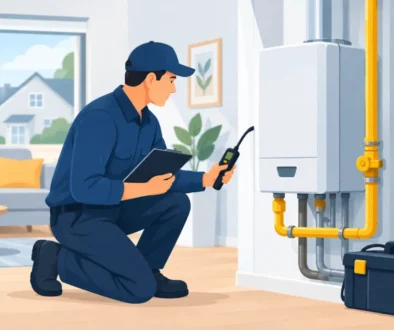
This can include a gas boiler, gas fire, gas cooker or hob provided as part of the tenancy. The engineer checks that appliances are operating safely, have adequate ventilation, are burning gas correctly and are not producing unsafe levels of carbon monoxide. Flues are also checked where they are accessible and can be examined safely.
A service and a gas safety check are not always the same thing. A CP12 confirms the required safety checks have been completed on that date. A full boiler service may include additional work recommended by the manufacturer to protect efficiency, reliability and warranty cover. For many landlords, arranging both at the same visit is a sensible way to reduce disruption and spot developing faults before the heating fails.
What has changed around landlord gas compliance?
The biggest practical changes in recent years have been part of a wider focus on rental property safety rather than a change to the annual CP12 rule itself. Landlords should not assume that having a current gas safety record alone covers every safety responsibility.
Carbon monoxide alarm rules are wider
In England, carbon monoxide alarms are required in rooms used as living accommodation that contain a fixed combustion appliance, excluding gas cookers. This can include rooms with a gas boiler, gas fire or solid-fuel appliance.
Landlords must ensure alarms are installed and are working at the start of a new tenancy. If a tenant reports that a smoke or carbon monoxide alarm is faulty, it must be repaired or replaced as soon as reasonably practicable.
Smoke alarms are also required on every storey of a rented home where there is a room used as living accommodation. These requirements sit alongside gas safety duties, but they work together. A correctly fitted alarm is an extra warning system, not a substitute for proper appliance maintenance and annual safety checks.
Records and dates need closer attention
Gas safety records have always been important, but accurate record-keeping is becoming more valuable as landlords face greater scrutiny of property standards. Keep each Landlord Gas Safety Record for at least two years.
Existing tenants must receive a copy of the latest record within 28 days of the check. New tenants must be given a copy before they move in. It is good practice to keep a clear record of how and when it was issued, whether that is by email, tenant portal or a printed copy handed over with the tenancy documents.
You can arrange a new check up to two months before the current certificate expires without losing the existing anniversary date, provided the current check is still valid. For example, if a certificate expires on 30 September, a check carried out from 1 August can preserve the 30 September renewal date for the following year. This gives more flexibility, particularly where tenants have limited availability.
Wider rental reforms increase the need for good evidence
The private rented sector is moving towards stronger expectations around safe, well-maintained homes and clear landlord accountability. The exact requirements and implementation dates can differ depending on the reform, so landlords should keep an eye on official updates rather than relying on old advice.
The practical message is straightforward: do not leave gas safety work until the last week of a certificate. A well-organised file with current CP12 records, servicing history, alarm checks, repair invoices and tenant communications makes it much easier to demonstrate that you have acted responsibly.
What a landlord is responsible for
Landlords are responsible for gas appliances, pipework and flues they provide for tenants to use. That includes making sure they are maintained safely between annual checks. If a tenant reports a smell of gas, a boiler fault, black marks around an appliance, headaches when heating is on or a carbon monoxide alarm sounding, it needs prompt attention.
A landlord is not normally responsible for a tenant’s own gas appliance, such as a cooker they have brought into the property. However, if the installation or use of that appliance could affect the safety of the property, it should not simply be ignored. Ask a Gas Safe registered engineer for advice on the circumstances and keep a record of the action taken.
Communal areas can also create responsibilities. In blocks or houses with shared facilities, gas pipework or appliances serving communal spaces may need to be included in the landlord’s maintenance and safety arrangements. This is one area where the setup of the building matters, so it is worth confirming the scope with the engineer rather than making assumptions.
Access problems do not remove the duty
Tenants must allow reasonable access for essential repairs and safety inspections, but access can occasionally be difficult. If a tenant misses an appointment, landlords should make genuine, documented attempts to rearrange it.
Write to the tenant, explain why the inspection is needed and offer sensible appointment options. Keep copies of emails, messages, letters and booking confirmations. There is no single number of attempts that automatically proves compliance, but clear evidence of reasonable efforts is far better than allowing a certificate to expire without action.
Avoid entering a tenant’s home without proper notice or consent except in a genuine emergency. Gas safety is serious, but landlords must still respect the tenancy agreement and the tenant’s right to quiet enjoyment.
A practical compliance routine for landlords
A simple yearly routine prevents most last-minute problems. Set a reminder around ten to eleven months after the last check, then contact your engineer early enough to secure a suitable appointment. Where possible, ask the tenant to report any concerns before the visit, such as intermittent hot water, boiler pressure loss or a pilot light that keeps going out.
After the appointment, check that the record includes the property address, inspection date, appliances tested, any defects found, the engineer’s details and Gas Safe registration number. Read any advisory notes as well as the pass result. An appliance may be safe on the day but still benefit from a repair before the next winter.
If an engineer identifies an appliance as unsafe, take the advice seriously. Depending on the fault, it may need to be turned off and repaired before it can be used again. Trying to delay a repair because the boiler is still producing heat is a poor risk for both the tenant and the landlord.
Choosing the right engineer for the job
Only use an engineer who is Gas Safe registered and qualified for the specific type of gas work required. Registration alone is not the whole picture: engineers hold different categories for work such as boilers, cookers, fires and LPG appliances.
A local engineer who regularly carries out landlord inspections can help keep appointments straightforward and identify issues before they become more expensive repairs. AquaHeat Heating Services Limited provides landlord gas safety checks, boiler servicing and gas work for rental properties in Warrington and the surrounding area.
The safest approach is not complicated: book early, keep clear records, act quickly on faults and treat every tenant report as worth checking. That routine protects your property, supports your legal duties and gives tenants confidence that the home they live in is being properly looked after.