Unvented Hot Water Cylinder Installation Warrington
A bath that runs cold halfway through, weak pressure at the shower, or a growing household can all point to the same issue: the hot water system is no longer meeting demand. An unvented hot water cylinder installation Warrington homeowners can rely on may provide stronger hot water performance, but it must be correctly designed, installed and maintained. This is not a job for shortcuts.
What an unvented cylinder does
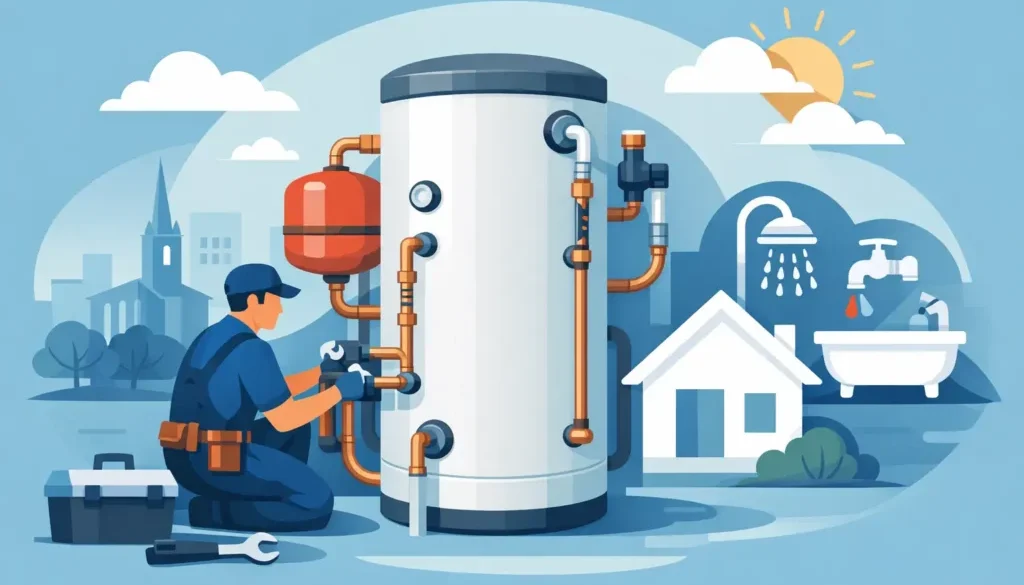
Unlike a traditional vented cylinder, which is supplied by a cold-water storage tank usually found in the loft, an unvented cylinder is fed directly from the mains. The stored water is kept under pressure, allowing hot water to reach taps and showers at a similar pressure to the incoming mains supply.
For households with more than one bathroom, this can make a noticeable difference. A properly sized system can supply a shower, kitchen tap and basin without the familiar drop in flow that often occurs with older gravity-fed arrangements. It also removes the need for a large cold-water tank in the loft, which can free up space and reduce the risk of tank-related leaks or freezing issues.
That said, an unvented cylinder is not automatically the right answer for every property. Its performance depends on the mains water supply. If incoming pressure or flow rate is poor, fitting a pressurised cylinder alone will not create the performance you want. A survey should establish what the property can support before a cylinder is selected.
Is an unvented hot water cylinder right for your home?
The best system depends on how much hot water your household uses and how the home is laid out. A couple in a one-bathroom property may be well served by a combi boiler, particularly where space is limited. A family home with two or three bathrooms often benefits more from stored hot water, especially where people shower at similar times.
Cylinder capacity matters. Choosing too small a cylinder can leave the final person in the morning rush with lukewarm water. Choosing an unnecessarily large cylinder can take up more room and cost more to heat. The right size is based on the number of occupants, bathrooms, shower types, baths and typical usage, rather than simply selecting the largest unit that will fit in the airing cupboard.
Your existing heating system also needs consideration. An indirect unvented cylinder is heated by a boiler through an internal coil, while other options may use immersion heaters or work alongside renewable technologies. Boiler output, pipework condition, controls and available space all affect the final specification.
Safety and compliance come first
Because an unvented cylinder stores hot water under pressure, it includes safety controls that must work correctly at all times. These typically include a pressure-reducing valve, expansion provision, temperature and pressure relief valve, and a correctly installed discharge pipe. The discharge pipe directs water safely outside if the cylinder needs to release excess pressure or temperature.
The installation must meet the relevant Building Regulations requirements. Work on an unvented hot water storage system should be completed by an engineer with the appropriate G3 qualification. Following installation, the work must be notified through the proper route, either by a suitably registered competent person or through Building Control where required. Homeowners should receive the relevant paperwork and operating information once the work is complete.
This compliance is about far more than forms. Incorrect safety valve installation, unsuitable discharge pipework or missing expansion components can create a serious risk. It can also lead to problems when selling a property, making an insurance claim or arranging future maintenance.
What happens during installation?
A good installation begins before any equipment is ordered. The engineer should assess the mains pressure and flow rate, identify a suitable cylinder location, check the condition of existing pipework and confirm how the system will be heated. They will also consider access for future servicing, the route for discharge pipework and whether any changes are needed to controls or the boiler.
On installation day, the existing cylinder and associated components are isolated and removed where necessary. The new cylinder is positioned on a sound base and connected to the hot and cold-water pipework, heating circuit and safety controls. If the property is changing from a vented system, redundant loft tanks and associated pipework may also be removed or altered.
The system is then filled, pressurised and thoroughly tested. The engineer should check for leaks, verify that the safety devices operate correctly, set the required controls and explain how the system works. You should know where isolation valves are located, what normal operation looks like and what to do if a safety discharge occurs.
Timescales vary. A straightforward replacement in an accessible airing cupboard may be completed relatively quickly, while a conversion from a vented system, changes to pipework, or a difficult discharge route can take longer. The important point is that the work is planned around the property rather than rushed to meet a fixed template.
Common issues that affect cost and timescales
The cylinder itself is only one part of the job. The overall cost can be affected by the size and type of cylinder, the condition of the existing system, pipework alterations and whether a new boiler or control upgrade is required.
Poor mains flow can require further investigation before an unvented system is recommended. In some cases, the practical solution may involve improvements to incoming pipework or a different approach to hot water provision. Likewise, an old heating system with sludge or circulation problems may benefit from cleaning work before a new cylinder is connected. Installing quality equipment onto a poorly performing system can otherwise lead to disappointing results.
Access is another factor. A cylinder located in a loft, tight cupboard or upper-floor space may need careful handling and additional preparation. Discharge pipework must follow the required guidance and cannot simply be run to the nearest convenient point. These details are what make one quote different from another, so it is sensible to ask what is included rather than comparing a single headline figure.
Maintaining your unvented cylinder
An unvented cylinder should be serviced annually by a suitably qualified engineer. This gives the engineer an opportunity to inspect the expansion vessel, check the pressure-reducing valve, test safety controls where appropriate and look for early signs of leaks or faults.
Do not ignore water discharging from the tundish or external pipework. It may be a sign that a valve is operating because of excessive pressure, a failed expansion vessel or another fault that needs prompt attention. Never cap, block or alter a safety discharge pipe to stop drips. The cause should be diagnosed and repaired.
For landlords, keeping clear service records is sensible property management. Although cylinder servicing is separate from an annual gas safety check, both help demonstrate that essential home systems are being looked after responsibly.
Choosing an installer in Warrington
For an unvented hot water cylinder installation in Warrington, look for an engineer who can explain the suitability of the system in plain language, confirm their G3 qualification and provide clear information about the work included. If the job involves boiler alterations or gas work, the engineer must also hold the appropriate gas registration for that part of the work.
A reliable installer will not promise better pressure without testing the supply, or recommend a cylinder size without asking about your household’s needs. They should take time to plan the safety discharge route, protect the home while work is underway and leave you with the documents needed for the installation.
AquaHeat Heating Services brings local heating and plumbing experience to these decisions, with a practical focus on safe workmanship and fair advice. If your current hot water system is struggling, arranging a proper assessment is the best first step towards a system that suits your home and gives everyone enough hot water when they need it.