New Boiler Installation: What to Expect
A boiler rarely fails at a convenient time. It usually happens when the weather turns cold, the hot water stops without warning, or repairs start becoming more frequent than they should be. If you are considering a new boiler installation, the main question is usually simple: what will it cost, how long will it take, and will it solve the problem properly?
For most households, replacing a boiler is about more than heat. It is about reliability, running costs, and peace of mind. A well-chosen boiler fitted correctly should heat your home efficiently, provide dependable hot water, and suit the way your household actually uses the system.
When a new boiler installation makes sense
There are times when a repair is the sensible option, especially if the fault is minor and the boiler is otherwise in good condition. But there is a point where ongoing repairs stop being good value. If your boiler is older, parts are becoming harder to source, or you are dealing with repeated breakdowns, replacement often becomes the better long-term decision.
High energy bills can also be a sign that your current system is no longer working efficiently. Older boilers tend to waste more fuel than modern condensing models, and that difference shows up over time. If your home takes longer to warm up, some radiators stay cold, or your hot water performance is unreliable, it is worth looking at whether the boiler is still fit for purpose.
For landlords, the decision can also be practical. A dependable heating system helps avoid tenant complaints, emergency call-outs, and potential compliance issues caused by neglected gas appliances.
Choosing the right boiler for your home
A new boiler installation is not just a case of taking the old one out and fitting the same again. The right choice depends on the property, the number of bathrooms, the demand for hot water, and the condition of the wider heating system.
Combi boilers
Combi boilers are a popular option for many homes because they provide heating and hot water directly from the mains. There is no need for a separate hot water cylinder or cold water storage tank, which makes them a good fit for properties where space is limited.
They work well in smaller to medium-sized homes with one bathroom and steady day-to-day hot water demand. The trade-off is that if several taps or showers are used at once, water pressure can be affected.
System boilers
A system boiler uses a hot water cylinder but does not usually require a tank in the loft. This can suit larger households where there is a greater demand for hot water, especially if more than one bathroom is in regular use.
They take up more space than a combi, but they can provide a more consistent supply where usage is higher.
Regular boilers
Regular boilers, sometimes called conventional boilers, are often found in older properties with traditional heating systems. They use both a hot water cylinder and a cold water storage tank.
In some homes, especially those with an older pipework layout, replacing like for like can be the most practical route. In others, converting to a combi or system boiler may make more sense, but that depends on the existing setup and the work involved.
What affects new boiler installation cost
Cost matters, but it should be looked at in context. The cheapest quote is not always the best value if corners are cut, the boiler is undersized, or important system checks are missed.
The price of a new boiler installation usually depends on the boiler type, the output required, the make and model chosen, and how complex the installation is. A straightforward combi swap in the same location is often less labour-intensive than changing from a regular boiler to a combi, relocating the boiler, or upgrading pipework and controls.
You may also need extra work if the system has sludge in the radiators, poor circulation, damaged valves, or outdated flue arrangements. A proper installer should explain these points clearly rather than adding costs without explanation.
It is also worth considering value over the life of the boiler. A reliable, efficient model installed correctly can save money through lower fuel use, fewer breakdowns, and less disruption.
What happens during the installation
One of the biggest concerns for homeowners is how disruptive the job will be. In many cases, a standard replacement can be completed in a day, although more involved installations may take longer.
Before work starts, the engineer should assess the existing system, confirm the right boiler size, check the flue route, and make sure the installation will comply with current regulations. This stage matters. A boiler that is too powerful wastes energy, while one that is too small may struggle to keep up.
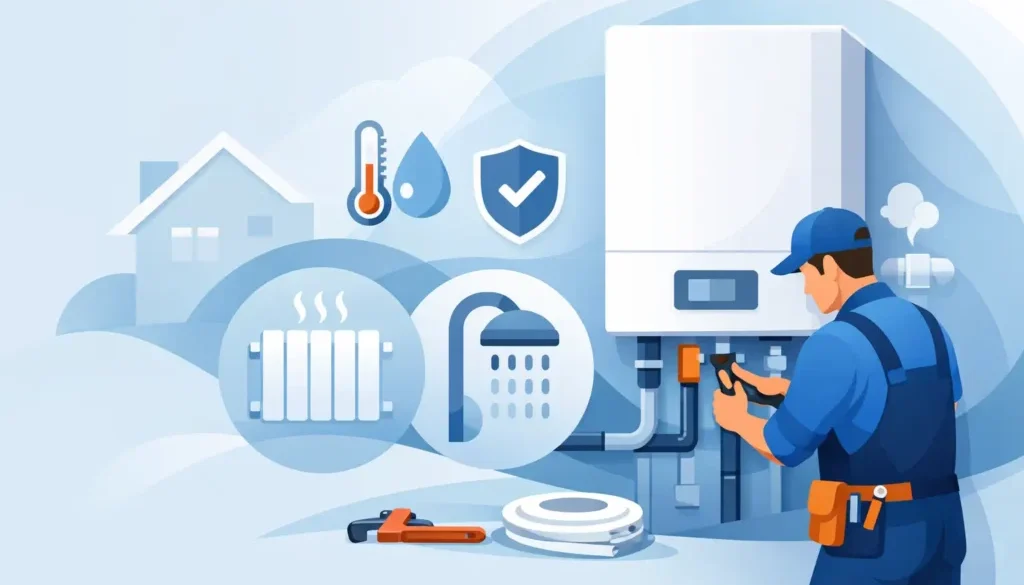
On the day itself, the old boiler is removed, and the new one is fitted and connected to the heating, hot water, gas, and condensate pipework as required. The flue is installed or adapted, controls are set up, and the system is filled and tested.
Good installation is not only about making the boiler run. It is about making sure the whole system works safely and efficiently. That includes checking gas pressures, ensuring the flue is sound, testing for leaks, and confirming that the controls are operating properly.
Cleaning and protecting the system
A proper new boiler installation should also take system cleanliness seriously. If dirty water, sludge, or debris is left in the heating circuit, it can reduce efficiency and shorten the life of the new boiler.
That is why engineers often recommend a system clean or flush, depending on the condition of the system. Inhibitor should also be added to help protect against internal corrosion. In some cases, a magnetic filter is fitted to catch circulating debris and help keep the system cleaner over time.
Controls, efficiency, and everyday savings
The boiler itself is only part of the picture. Modern heating controls can make a noticeable difference to comfort and running costs.
If you are investing in a replacement, it makes sense to look at the thermostat, programmer, and radiator valves at the same time. Up-to-date controls help you heat the home more accurately and avoid wasting fuel on rooms that do not need it.
The savings vary from house to house. A household replacing a very old boiler and outdated controls may see a worthwhile drop in energy use. If the old boiler is not especially old and the controls are already decent, the difference may be smaller. Honest advice should reflect that.
Safety and qualifications matter
Gas work should never be taken lightly. A new boiler installation must be carried out by a properly qualified Gas Safe registered engineer, and the work should be notified and documented correctly.
That protects you in several ways. It helps ensure the appliance is fitted to the required standard, supports the manufacturer warranty, and provides the right certification for your records. For landlords, correct paperwork is particularly important as part of wider legal responsibilities for rental properties.
This is also where using an experienced local company has real value. You want an installer who turns up when agreed, explains the options clearly, and is available if you need aftercare. AquaHeat Heating Services Limited works with domestic customers across Warrington and the wider North West, and that local service approach is often what people value most when replacing a boiler.
How to prepare before the job
There is not usually much you need to do, but a little preparation helps the day go more smoothly. Clear access around the boiler, airing cupboard, and any route the engineer may need through the house. If the boiler is in the kitchen, move small items off nearby worktops.
It is also helpful to mention any existing issues in advance, such as radiators that do not heat properly, low water pressure, noisy pipework, or old controls that have never worked well. Those details can affect the installation plan and help avoid surprises once work begins.
After the boiler is fitted
Once the installation is complete, the engineer should show you how the new boiler and controls work, explain any basic maintenance points, and confirm what to do if you ever need support. The appliance should be commissioned properly, registered where required, and supplied with the relevant paperwork.
From there, the best way to protect your investment is simple: use the controls properly and book regular servicing. Even a brand-new boiler needs ongoing maintenance to stay safe, efficient, and reliable.
A new boiler is not the most exciting purchase you will make for your home, but when it is chosen carefully and fitted properly, it is one of the most useful. Warm rooms, dependable hot water, and fewer worries through winter tend to make the decision feel worthwhile very quickly.