How to Prepare Your Boiler for Winter Safely
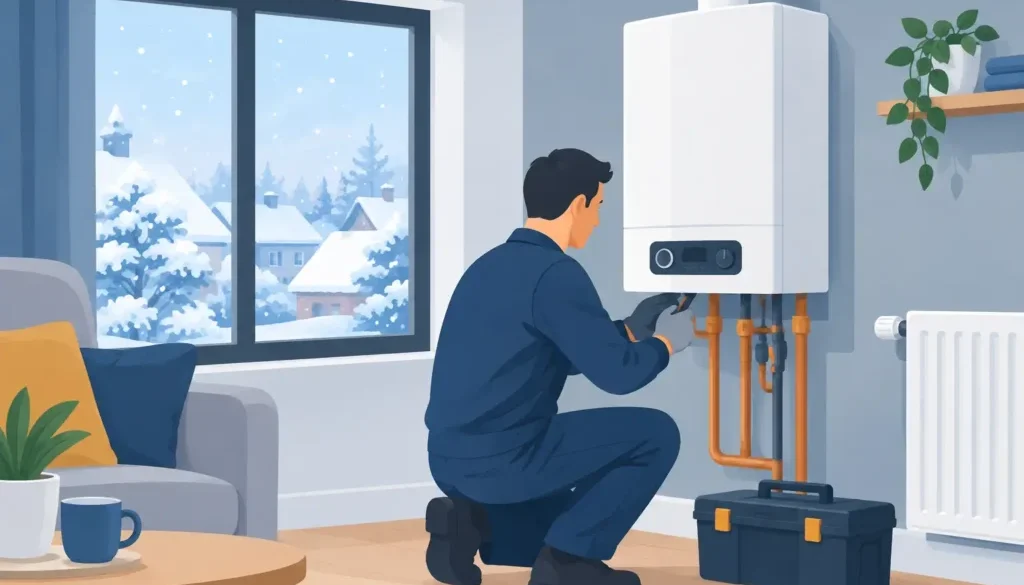
A cold morning is a poor time to find out that the heating is unreliable. To prepare boiler for winter properly, start before the weather turns and give yourself time to deal with small faults, arrange a service or book a repair. A few sensible checks can improve comfort, help control running costs and reduce the chance of an avoidable breakdown when your home needs heat most.
Prepare Your Boiler for Winter Before the First Cold Spell
Your boiler may have been used only for hot water over summer, particularly if you have kept the heating switched off. Before relying on it every day, turn the central heating on for a short period and walk around the property. Check that radiators begin to warm up, the controls respond as expected and there are no unfamiliar noises, warning codes or drips around the boiler and pipework.
Do not wait for a hard frost to test the system. If a radiator stays cold, a boiler loses pressure or the heating cuts out after a few minutes, an engineer has more opportunity to diagnose the issue before demand for repairs rises. A system that appears to work but takes an unusually long time to warm the house is also worth investigating.
Book an annual boiler service
An annual service is one of the most useful steps you can take before winter. A qualified heating engineer can inspect the boiler, test its safe operation, check key components and identify wear or developing faults that are not obvious during day-to-day use. Servicing can also help the boiler run as efficiently as possible, although the savings will depend on the age, condition and use of the system.
A service is not the same as a repair. If there is an existing fault, leak, error code or performance problem, explain this when booking so time can be allowed to diagnose it. Never remove the boiler casing or attempt work on gas components yourself.
For landlords, an annual gas safety check and CP12 certificate remain a separate legal responsibility. It is sensible to plan this ahead of the heating season, but a CP12 check should not be treated as a replacement for boiler maintenance where a service is due.
Check the boiler pressure when the system is cold
Most sealed central-heating systems have a pressure gauge or digital pressure reading. The correct range varies by boiler, so use the manufacturer’s instructions as your guide. Many systems sit around 1 to 1.5 bar when cold, but the marking on your own boiler is what matters.
Low pressure can prevent the boiler from operating correctly. If you know how to repressurise your particular model safely, follow its instructions carefully and only add enough water to reach the recommended cold setting. Do not keep topping up a system that repeatedly loses pressure. That can point to a leak, a faulty component or another issue that needs professional attention.
Pressure that rises excessively when the heating is running is also a reason to call an engineer. Keep an eye on the gauge after your first heating test rather than checking it once and forgetting about it.
Get Every Radiator Ready for Winter
A working boiler cannot deliver comfortable heat if the radiators are full of air, poorly balanced or restricted by sludge. Test each radiator with the heating on. It should heat reasonably evenly, though pipework arrangement, radiator size and thermostat settings will affect how quickly each room feels warm.
If a radiator is cold at the top and warmer at the bottom, it may need bleeding. Switch the heating off and allow radiators to cool first. Use a radiator key and cloth, opening the bleed valve only slightly until trapped air stops and water appears. Close it securely, then check the boiler pressure afterwards, as bleeding can lower it.
A radiator that is cold at the bottom, has brown or dirty water when bled, or remains patchy after bleeding may indicate sludge in the system. In that case, a professional assessment is better than repeatedly bleeding or adjusting valves. Power flushing can be appropriate for some systems, but it is not automatically the right answer for every property. The age of the boiler, the condition of the pipework and the cause of the poor circulation should all be considered first.
Make sure furniture, curtains and radiator covers are not blocking heat. Keeping the area immediately around a radiator clear allows warm air to circulate through the room. It is a small change, but it can make a noticeable difference in spaces that feel slow to heat.
Set Controls for Comfort Rather Than Constant Heating
Winter preparation is also about how the system is controlled. Check that your programmer or smart thermostat is set to the correct time and that the heating comes on and off when expected. If you have changed batteries in thermostats or control units, test the system afterwards rather than assuming the settings have held.
Set a comfortable, realistic temperature rather than turning the thermostat up sharply in the hope that the home will heat faster. A thermostat controls the target temperature, not the speed at which the boiler warms the property. The right setting depends on the household, insulation, room use and personal needs, but many homes find a steady setting around 18 to 21°C suitable.
Use thermostatic radiator valves sensibly. Bedrooms or rarely used rooms may be set lower than living areas, while rooms containing the main thermostat should not be influenced by a radiator valve turned down too far. If the controls seem confusing or the house is warm in one room but cold elsewhere, an engineer can advise on setup and balancing.
Protect Condensate Pipes and Look for Warning Signs
Modern condensing boilers produce wastewater that flows through a condensate pipe. Where part of this pipe runs outside, it can freeze during prolonged cold weather and stop the boiler working. The pipe should be correctly installed and insulated where required. If you have had a frozen condensate pipe before, arrange for it to be assessed before winter rather than waiting for the same problem to return.
Be alert to warning signs around the boiler: water underneath it, corrosion, banging or whistling noises, frequent resetting, a pilot or flame issue, or a carbon monoxide alarm sounding. If you smell gas, suspect carbon monoxide, or your alarm activates, switch off appliances only if it is safe to do so, leave the property and seek urgent professional advice. Do not try to identify the source yourself.
Check that carbon monoxide alarms are fitted where appropriate, within their expiry date and working. Test them using the button as instructed by the manufacturer. These alarms are an important safety measure, but they do not replace proper installation, servicing and repairs.
When to Arrange a Boiler Repair or Replacement
Not every older boiler needs replacing before winter. A well-maintained model may continue to provide reliable heat for years. However, repeated breakdowns, escalating repair costs, difficulty sourcing parts, poor performance and high energy use can make replacement a sensible conversation to have before the coldest months.
The best choice depends on the boiler’s condition, the size of the property, hot-water demand and the wider heating system. Replacing a boiler without addressing dirty system water, unsuitable controls or undersized radiators may not solve every comfort issue. A clear assessment gives you a more reliable basis for deciding whether repair or replacement represents better value.
If your boiler is losing pressure, showing a fault code, leaving rooms cold or due for a service, dealing with it now is usually easier than facing it during a winter breakdown. AquaHeat Heating Services can help Warrington and North West households get their heating checked, repaired and ready for the colder months – so the first frosty morning feels routine, not stressful.