Gas Meter Safety Guide for Warrington Homes
A gas meter is easy to overlook until there is a problem. It may be in a kitchen cupboard, external meter box, cellar or communal area, quietly recording the gas used by your home. This gas meter safety guide explains the sensible checks you can make, the warning signs that need urgent action and why any repair or alteration must be left to a Gas Safe registered engineer.
For homeowners and landlords in Warrington and across the North West, the aim is straightforward: keep the meter accessible, protect it from damage and know what to do if you suspect a gas leak. A meter itself is not something that needs regular DIY maintenance, but its condition and surroundings do matter.
What your gas meter and emergency control valve do
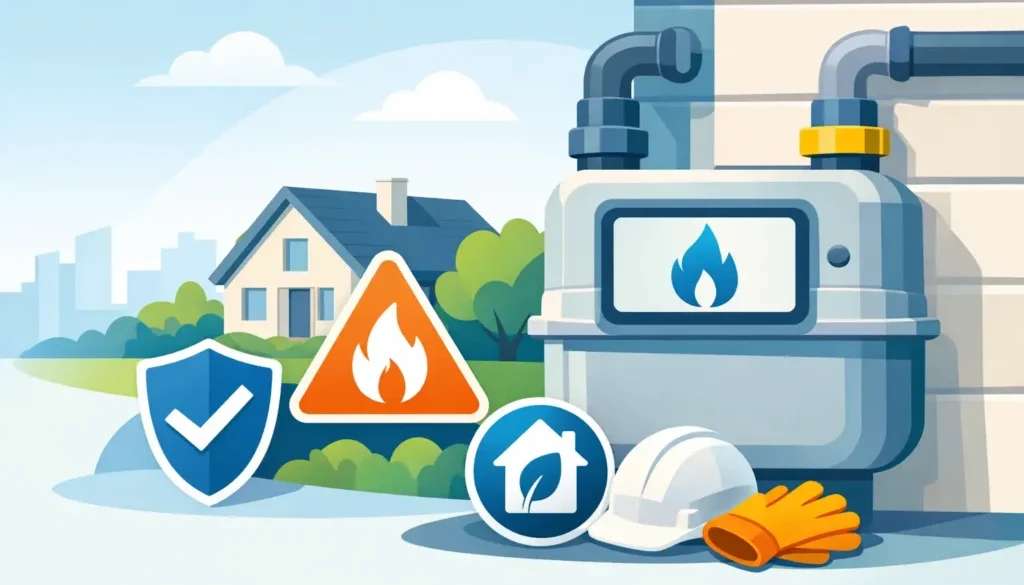
Your gas meter measures the gas supplied to your property. The meter, pipework and fittings around it are part of the wider gas installation, so they must not be altered casually, painted over or used as a convenient place to hang items.
Close to the meter, there should be an emergency control valve, sometimes called the gas shut-off valve. This is normally a lever or handle that allows the gas supply to the property to be turned off in an emergency. The valve position varies by installation, and some meters are in outside boxes while others are indoors. Take a moment to find yours before you ever need it.
Do not test, force or repeatedly operate the valve just to see whether it works. If it is stiff, damaged, unclear or inaccessible, arrange for a qualified gas engineer to inspect it. In an actual emergency, turning the valve off may be appropriate if it is safe to do so, but personal safety always comes first.
Gas meter safety guide: checks you can make safely
A visual check from time to time is useful, particularly after building work, bad weather, a house move or a change to your heating system. You should not remove meter covers, interfere with seals or attempt to tighten pipe connections.
Look for obvious signs of concern around the meter: damage to the meter box or cabinet, corrosion, loose-looking pipework, moisture where it should be dry, or anything blocking access. Outdoor meter boxes can be damaged by gardening equipment, bins, vehicles and general wear. Indoor meters can become hidden behind stored belongings, furniture or household clutter.
Keep the area clean, dry and reasonably clear. There should be enough room for safe access in an emergency and for engineers to carry out inspections or work. Never store paint, petrol, solvents, aerosols or other flammable products in a meter cupboard or external meter box.
If your meter is outside, check that its box closes properly and protects the equipment from rain and accidental knocks. A cracked door, missing hinge or damaged lock does not always mean there is an immediate gas danger, but it should be dealt with before water, frost or impact creates a more serious fault.
Signs that could point to a gas leak
Natural gas is given a distinctive unpleasant smell to help people detect leaks. If you notice a smell of gas in or around your home, treat it seriously, even if it seems faint or comes and goes.
Other possible warning signs include a hissing or whistling sound near the meter or gas pipework, unexplained damage to pipework, or appliances that are not burning correctly. A yellow or orange flame on a gas hob, rather than a crisp blue flame, is not always caused by a meter fault, but it does need professional attention. Sooting, staining around appliances, frequent pilot light problems and unexplained headaches or dizziness can also indicate unsafe combustion.
Do not try to locate a leak with a naked flame. Do not use a lighter, match or candle near the meter, pipework or any appliance you suspect may be faulty. Household leak-detection sprays are not a substitute for competent diagnosis and can encourage people to work too close to potentially unsafe equipment.
What to do if you smell gas
If you can smell gas or suspect a leak, act calmly and avoid creating a spark. The practical steps are:
- Turn off the gas at the emergency control valve if it is safe and straightforward to reach.
- Open doors and windows to ventilate the property.
- Do not smoke, light flames or operate electrical switches, doorbells, plugs or appliances.
- Move people away from the affected area and leave the property if the smell is strong.
- Contact the Gas Emergency Service on 0800 111 999 from outside or away from the suspected leak.
Do not return to using the gas supply until the emergency service or a suitably qualified engineer confirms it is safe. If you have a boiler, cooker or fire that has been isolated because of a fault, do not reconnect or relight it yourself.
Why meter access matters for homeowners and landlords
Gas meters are sometimes installed in awkward places, especially in older homes. That does not mean access can be ignored. An engineer needs to be able to reach the meter and emergency control valve without moving heavy furniture, clearing a packed cupboard or working around stored belongings.
For landlords, clear access is particularly relevant when arranging a landlord gas safety check. A valid CP12 record relates to the gas appliances, flues and associated safety checks required at the property. If an engineer cannot safely access the meter, boiler, appliances or flues, the inspection may be delayed or incomplete.
Tenants should be shown where the gas meter and emergency valve are when they move in. Landlords should also make clear whom to contact if they smell gas, lose heating or notice damage. This is a simple part of managing a safe home, and it can save time when an urgent issue arises.
Never alter meter pipework yourself
Some household jobs look simple until they involve gas. Replacing a cupboard, moving a washing machine, fitting new flooring or renovating a kitchen can all affect access to the meter or nearby pipework. Gas pipes should not be cut, capped, moved or concealed without the correct assessment and work by a Gas Safe registered engineer.
There is also a difference between customer-owned pipework and equipment belonging to the gas network or supplier. Meters and their seals must not be tampered with. If you believe the meter is faulty, damaged, making unusual noises or displaying an error, report it to your gas supplier. If the concern is with pipework or an appliance after the meter, a Gas Safe registered engineer can assess the installation.
Be especially cautious when using screws, drills or fixings near a meter cupboard, boxed-in pipework or a wall where gas pipes may run. Pipework is not always visible, and a small DIY job can cause expensive and dangerous damage.
Meter safety during renovation and cold weather
Before kitchen, utility room or extension work begins, tell every tradesperson that there is a gas meter and show them its location. Plan around access from the outset. Boxing in a meter, building permanent units in front of it or covering ventilation can turn a routine future repair into a difficult and costly job.
External meters also need protection during winter. Do not pour hot water over a frozen meter or use a flame to thaw anything around it. If the box is frozen shut or equipment appears damaged after freezing weather, seek advice from your supplier or a qualified engineer. The right response depends on whether the issue is with the meter, the supply or the installation within the property.
A boiler service is a good opportunity to raise any concerns about visible gas pipework, appliance flames or meter access. It is not a replacement for emergency action where you can smell gas, but regular professional servicing helps identify appliance problems before they develop into a breakdown or safety concern.
When to call a qualified engineer
Call a Gas Safe registered engineer if you notice damaged pipework after the meter, a faulty appliance, poor burner flames, recurring boiler lockouts, sooting, or a meter area that has become unsafe or inaccessible. For domestic customers, it is worth choosing an engineer who can explain what has been found in plain language and set out the repair options clearly.
AquaHeat Heating Services Limited supports homeowners and landlords across Warrington with domestic gas heating, boiler servicing, repairs and safety-related work. Whether the issue is a concern with an appliance, access around a meter or an overdue gas safety check, getting qualified advice early is usually safer and less disruptive than waiting for a complete failure.
Your gas meter does not need attention every week, but it should never be treated as just another cupboard fixture. Keep it clear, know where the shut-off valve is and act promptly if anything looks, sounds or smells wrong. That small bit of awareness helps protect your home and everyone in it.