Is a Dripping Tap Wasting Water? What It Costs
A tap that drips once every few seconds can be easy to ignore, particularly if it is in a utility room or bathroom. But is a dripping tap wasting water? Yes. Every drop adds up, and a persistent leak can waste a surprising amount of water over weeks and months. If the tap supplies hot water, it can also mean paying to heat water that never gets used.
For homeowners in Warrington and across the North West, a dripping tap is usually a straightforward plumbing repair. Dealing with it early is often quicker, cheaper and less disruptive than waiting for the tap to become difficult to turn off, damage a basin or develop into a larger leak.
Is a dripping tap wasting water every day?
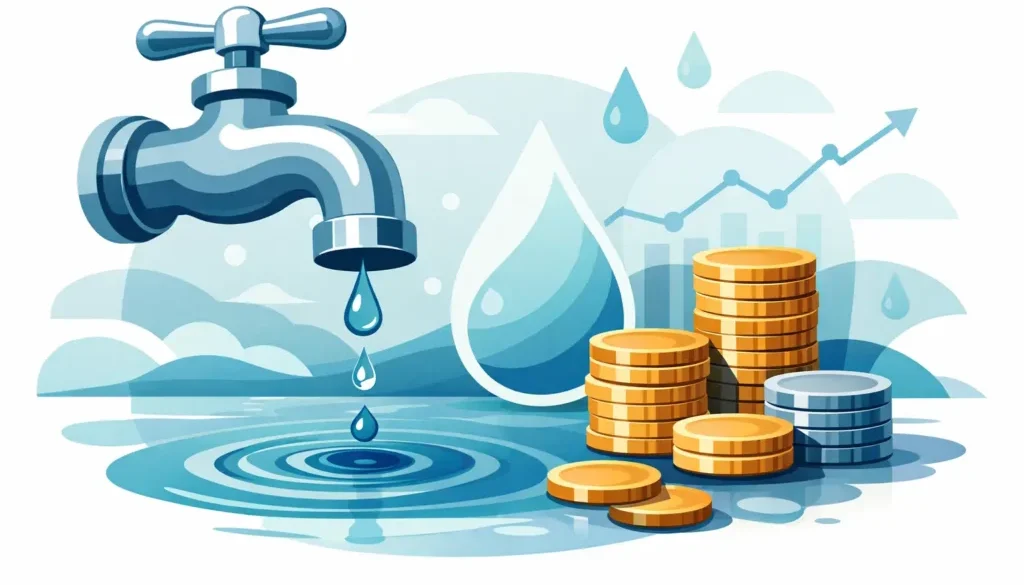
It is. The exact amount depends on the size of the drip and the water pressure in the property, but even a slow, steady drip is continuous. A drip rate of one drop per second can waste several thousand litres in a year. A faster drip or a thin trickle will waste far more.
That figure matters more if your home has a water meter, because you are paying for every litre supplied. Even in an unmetered property, unnecessary water use puts added pressure on local water supplies and treatment systems.
A hot tap deserves particular attention. The cost is not simply the water going down the plughole. Your boiler or hot water system has already used gas or electricity to heat it. For a household trying to keep energy bills under control, stopping a hot tap drip is a sensible small repair.
Why a tap starts dripping
Most dripping taps are caused by wear inside the tap rather than a major fault with the plumbing. Modern mixer taps commonly use ceramic cartridges, while older pillar taps may use a rubber washer and valve mechanism. Over time, the part that creates a watertight seal can wear, stiffen, crack or become affected by limescale.
In many cases, the cause is one of the following: a worn washer, a damaged ceramic cartridge, a deteriorated O-ring, debris caught in the valve, or a worn valve seat. High water pressure can also put additional strain on tap components and contribute to recurring problems.
The way the tap drips can give a useful clue. Water coming from the spout after the handle is turned off usually points to an internal seal, washer or cartridge issue. Water appearing around the handle, base or supply pipes may indicate a different problem, such as a failed O-ring, loose connection or damaged flexible hose.
It is worth remembering that a tap may continue to release a few drops immediately after use because water remains in the spout. That is different from a tap that continues dripping several minutes later or never fully stops.
The hidden cost of leaving a dripping tap
The visible water loss is only part of the issue. Constant dripping can leave marks around the plughole, cause limescale staining and make a clean basin or sink look neglected. On some surfaces, particularly natural stone, regular contact with water can lead to permanent marks or deterioration.
A leak from the body of the tap or underneath the sink is more concerning. Water can damage kitchen units, vanity units, flooring and plasterboard before it becomes obvious. A small leak in a cupboard may go unnoticed until there is a musty smell, swollen timber or mould growth.
There is also the practical nuisance. A dripping tap can become louder at night, particularly in a quiet house, and the fault rarely improves by itself. A washer may wear further, or a ceramic cartridge can become increasingly difficult to operate. What could have been a simple replacement part can then turn into a full tap replacement.
For landlords, prompt repair is also good property management. Tenants should be able to use taps safely and without avoidable leaks, while ongoing water damage can create a more expensive maintenance issue later. Keeping records of reported faults and repairs also helps demonstrate that the property is being properly maintained.
Can you fix a dripping tap yourself?
Sometimes, but it depends on the tap type, your confidence and the condition of the isolation valves. Replacing a washer on an older tap can be a manageable job for an experienced DIY homeowner. Replacing a cartridge in a mixer tap may be less straightforward, especially where the cartridge is difficult to identify or the tap has seized parts.
Before attempting any repair, isolate the water supply to the tap. Many sinks and basins have small isolation valves on the pipework beneath them, although not every installation does. Run the tap afterwards to confirm the water has stopped. Put the plug in the basin or sink before removing any components so that screws and small parts cannot disappear down the waste.
Avoid forcing stiff handles, nuts or cartridges. Excessive pressure can crack the tap body, twist pipework or damage connections below the basin. This is particularly relevant with older taps and fittings that have been in place for many years. If a component will not move cleanly, it is usually safer to stop rather than turn a minor repair into a leak under the sink.
Buying a replacement part without confirming the make, model and size can also lead to wasted time. Ceramic cartridges vary considerably, even where two taps look similar from the outside. A qualified plumber can identify the fault, source the correct part where available and advise honestly if repair or replacement represents better value.
When to call a plumber for a dripping tap
A professional repair is a sensible choice when the water cannot be isolated locally, the tap is loose, the leak is coming from pipework, or there are signs of water damage beneath the sink. It is also worth calling a plumber if the tap is old, heavily corroded or difficult to operate.
You should arrange help promptly if water is pooling in a cupboard, running onto the floor, or coming from a flexible hose or connection. In these cases, place a container beneath the leak if safe to do so and isolate the water supply where possible. Do not leave a significant leak unattended while waiting to see whether it settles down.
A plumber can often repair a serviceable tap by replacing its internal components. However, replacement can be the better option if suitable spare parts are no longer available, the finish is badly worn, or the tap has several faults. A new tap may also improve usability, but it is important that it is compatible with your existing water pressure and plumbing arrangement.
Preventing taps from dripping again
No tap lasts forever, but a few simple habits can help reduce wear. Turn taps off firmly without overtightening them. Overtightening older taps can damage washers and valves, while forcing a modern lever mixer can put unnecessary strain on its cartridge.
If limescale is common in your area, clean around the spout and aerator regularly using a suitable product for the tap finish. Do not use abrasive pads that can scratch chrome or brushed surfaces. Where water pressure is unusually high, a plumber can assess whether pressure control is appropriate for the wider plumbing system.
When replacing a tap, choose one made from good-quality materials and suited to the property. The cheapest option is not always the most economical once fitting time, spare-part availability and expected lifespan are considered. A properly fitted tap should turn smoothly, shut off cleanly and leave no movement at the base.
A dripping tap is not usually an emergency, but it is a repair worth booking before it becomes one. If the drip is persistent, the handle is stiff, or there is any water below the sink, AquaHeat Heating Services can provide practical advice and dependable plumbing repairs for homes in Warrington and the surrounding area.