How Often Should a Boiler Be Serviced?
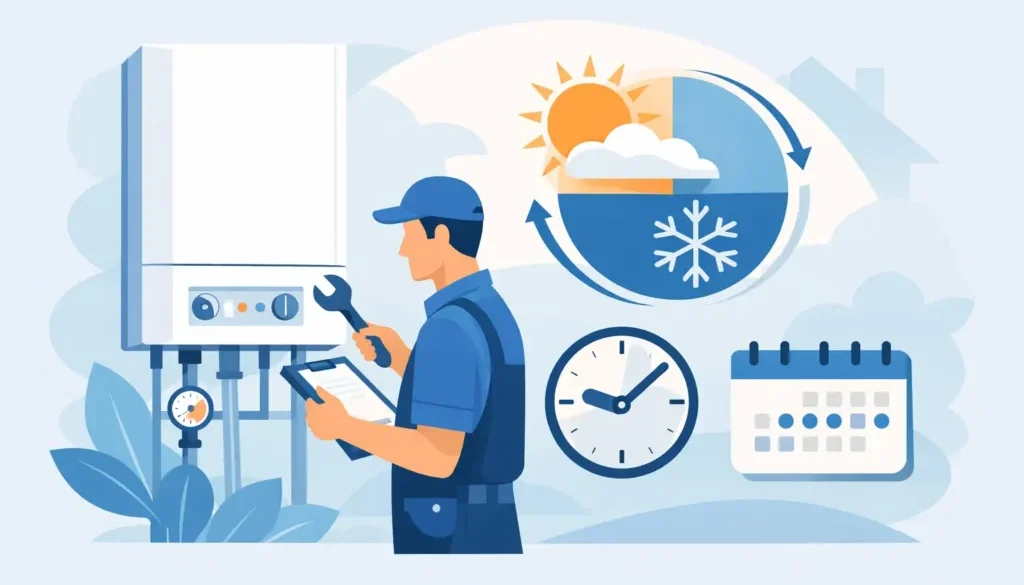
A boiler rarely picks a convenient time to go wrong. It usually happens on a cold morning, just before guests arrive, or when the hot water suddenly cuts out mid-shower. That is why one of the most common questions we hear is how often should a boiler be serviced. For most homes, the right answer is once every 12 months, but there are a few situations where timing matters more than people realise.
How often should a boiler be serviced in the UK?
In most domestic properties, a boiler should be serviced once a year. That annual service gives a qualified engineer the chance to check that the appliance is working safely, burning fuel correctly, and showing no early signs of wear that could turn into a larger repair.
For many households, yearly servicing is also tied to the manufacturer’s warranty. Miss a service, and you may find that a future claim is rejected. Even if your boiler is out of warranty, regular servicing is still a sensible part of looking after your heating system. It helps reduce the risk of breakdowns, supports efficiency, and gives you peace of mind that everything is operating as it should.
If you are a landlord, the picture is slightly different. You still need the boiler serviced regularly, but you also have a legal duty to keep petrol appliances safe. In practice, that often sits alongside the annual petrol safety check, although a service and a safety certificate are not exactly the same thing.
Why annual boiler servicing matters
People sometimes assume a boiler only needs attention when it starts making odd noises or stops heating the house properly. The problem with that approach is simple – by the time the warning signs are obvious, the fault may already be more serious and more expensive to put right.
A yearly service is preventative. It is there to spot issues early, before they cause a full breakdown or create a safety concern. Boilers involve combustion, pressure, electrical components, seals, and flue systems. Those parts can wear over time, even if the boiler appears to be working normally day to day.
Servicing can also help with running costs. A boiler that is clean, correctly adjusted, and in good working order is generally more efficient than one that has been left unchecked for years. That does not mean a service will transform an ageing appliance into a brand-new one, but it can help keep it performing as well as reasonably possible.
When you might need a boiler service sooner
Once a year is the standard, but there are cases where it makes sense to arrange a check earlier.
If your boiler is older, has needed repairs recently, or seems less reliable than it used to be, it is worth being more proactive. A service may identify whether the issue is minor wear, a system imbalance, or a sign that the boiler is nearing the end of its useful life.
You should also book a visit sooner if you notice warning signs such as unusual banging or whistling noises, pressure drops, frequent resetting, yellow flames instead of blue where visible, or heating and hot water that keep cutting in and out. Those are not things to ignore while waiting for your next annual appointment.
Homes that put heavier demand on the system may also benefit from a closer eye on heating performance. A large family home with constant hot water use places different demands on a boiler than a smaller property with lighter use. The service interval may still be annual, but the need to act on small issues quickly is greater.
What a boiler service usually includes
A proper boiler service is more than a quick look at the controls. The exact process depends on the make and model, but in general an engineer will inspect the appliance, test its operation, and check that key components are working safely and correctly.
That often includes examining the boiler casing and internal parts, checking for leaks or corrosion, testing petrol pressure where appropriate, inspecting the flue, confirming the burner is operating properly, and making sure safety devices respond as they should. The engineer may also look at the overall condition of the system, including signs of sludge, poor circulation, or pressure issues.
If there is a problem, the service may uncover it before it leads to a no-heat situation in the middle of winter. In many cases, that is where the real value lies. You are not only ticking a box. You are reducing the chance of being left without heating or hot water when you need it most.
Boiler servicing and warranty terms
One of the clearest reasons to keep to an annual schedule is warranty protection. Many boiler manufacturers require servicing every 12 months by a suitably qualified engineer. If that record is missing, they may refuse to cover certain parts or repairs.
It is worth checking your boiler paperwork so you know what the manufacturer expects. Some warranties are stricter than others about timing, documentation, and who can carry out the work. Leaving it a few months late may seem harmless, but it can create problems if you need to make a claim later.
For newer boilers especially, annual servicing is usually the simplest way to protect the investment you have already made.
Does a service stop boiler breakdowns?
Not completely. No engineer can promise that a serviced boiler will never develop a fault. Components can still fail unexpectedly, particularly on older appliances.
What regular servicing does is lower the odds of avoidable problems. It helps catch wear before it becomes failure, identifies unsafe conditions, and gives you a clearer picture of the boiler’s condition. If a part is starting to deteriorate, it is far better to know that in advance than to find out during a freezing spell.
There is also a difference between a boiler that fails without warning and one that has been showing signs of strain for some time. Servicing helps you spot the second scenario early enough to act.
How often should a boiler be serviced if it seems fine?
Still once a year. In fact, that is when servicing is most useful.
A boiler that appears to be running well can still have underlying issues that are not obvious to the homeowner. Small leaks, flue concerns, combustion problems, and worn seals do not always show up as dramatic symptoms at first. Waiting until something goes wrong may save a little money in the short term, but it can lead to higher repair costs and more disruption later on.
Think of servicing as routine maintenance rather than fault-finding. The fact that the boiler is currently working is the reason to keep it that way.
The best time of year to book a service
Autumn is the most popular time because people want the boiler checked before the colder months arrive. That is sensible, but it can also mean busier diaries and less flexibility for appointments.
Spring and summer can be a practical alternative. Your heating system is under less pressure, and if any repairs are needed, you are less likely to be without essential heating at the worst possible time. It can also be easier to remember if you tie the service to the same month each year.
The main thing is consistency. A boiler service in June is no less valid than one in October, as long as you keep to the yearly schedule.
What happens if you skip boiler servicing?
Sometimes nothing happens straight away, which is why many people put it off. Then the boiler starts losing pressure, making unusual noises, or failing during cold weather when engineers are busiest.
Skipping services can increase the risk of breakdown, reduce efficiency, and leave faults unnoticed for longer. It may also affect your warranty position and, for landlords, can complicate your wider responsibilities around petrol appliance safety and property maintenance.
There is also the basic issue of reassurance. Petrol appliances should not be left unchecked year after year. A regular service gives you confidence that the boiler has been looked over by a qualified professional and is operating as safely as possible.
A sensible schedule for homeowners and landlords
For most homeowners, the answer is straightforward – book a boiler service every 12 months and do not wait for a problem before arranging it. If the boiler starts behaving oddly in between services, get it checked sooner.
For landlords, annual attention is equally important, with the added need to stay on top of legal petrol safety duties. A planned approach makes life easier for everyone, including tenants.
At AquaHeat Heating Services Limited, we always recommend treating boiler servicing as part of normal home maintenance rather than an optional extra. It is one of the simplest ways to protect your heating, your hot water, and your peace of mind.
If you cannot remember when your last service was, that is usually the sign to get one booked and bring it back onto a proper annual cycle.