10 Best Ways to Prevent Plumbing Leaks at Home
A slow drip beneath a sink or a damp patch on a ceiling can become far more expensive than it first appears. The best ways to prevent plumbing leaks are usually straightforward: spot small warning signs early, protect pipework from cold weather and keep key parts of your plumbing system maintained.
Water can travel some distance before it becomes visible, so the source of a leak is not always directly above a stain or puddle. Acting promptly helps protect your home from damaged plaster, flooring, kitchen units and mould, while avoiding unnecessary disruption.
Check visible pipework and joints regularly
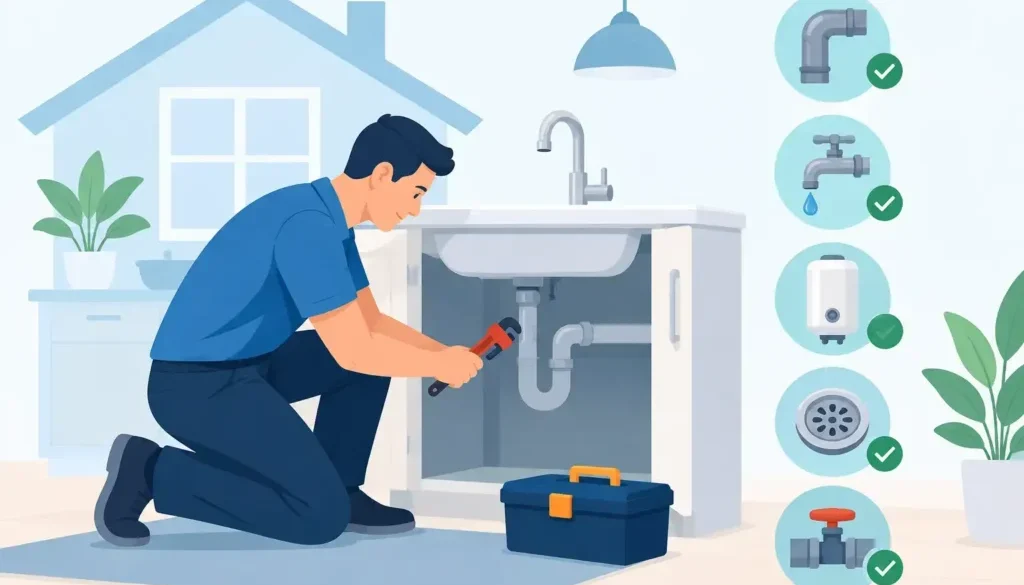
A quick monthly look under sinks, around toilets, behind appliances and near your boiler can reveal problems before they develop. Look for moisture on copper or plastic pipes, green staining around copper joints, rust on valves, swollen cupboard panels, peeling sealant or a musty smell.
Pay particular attention to flexible hoses feeding washing machines, dishwashers and taps. These are under regular pressure and can deteriorate over time. If a hose looks cracked, corroded, kinked or worn, arrange to have it replaced rather than waiting for it to fail.
A small amount of condensation on cold pipework can be normal, especially in a humid kitchen or bathroom. However, repeated drips, standing water or staining should be investigated. Dry the area first, then check again later to confirm whether water is returning.
Know where your stopcock is
Every household should know where the internal stopcock is and check that it turns freely. It is often found beneath the kitchen sink, in a utility room, cupboard, garage or near where the mains water supply enters the property.
If a pipe bursts, turning off the water supply quickly can significantly reduce the damage. Do not force a seized stopcock, as this can cause further problems. A plumber can free it safely or replace it if needed.
It is also useful to know the isolation valves for toilets, washing machines, dishwashers and basin taps. These small valves allow a single fitting to be isolated for repair without shutting off water to the entire house.
Protect pipes during cold weather
Frozen water expands, placing serious pressure on pipes and fittings. External taps, loft spaces, garages, under-floor voids and pipes close to outside walls are particularly vulnerable during a cold spell.
Fit suitable lagging to exposed pipework and make sure it is securely joined around bends and valves. Pipe insulation is inexpensive, but it needs to be the correct size and used consistently. A short uncovered section can still freeze.
Keep your heating on at a low, steady temperature when you are away in winter, rather than switching it off completely. Open kitchen and bathroom cupboard doors occasionally if pipework sits against a cold external wall, allowing warm air to circulate. If you are leaving a property empty for an extended period, ask a qualified professional about the most suitable precautions for the property and season.
If you suspect a pipe has frozen, turn off the water if possible and do not use a naked flame to thaw it. Gentle warmth may help in some cases, but a plumber should deal with any swelling, cracking or signs of damage.
Do not ignore dripping taps or running toilets
A dripping tap may seem minor, yet it can point to a worn washer, cartridge, valve or seal. Left alone, the fault can worsen and waste a considerable amount of water over time. Water running from a toilet cistern into the pan is another common issue that is easy to overlook.
Listen for a cistern regularly refilling when nobody has used it, or check for movement in the water in the toilet bowl. These faults do not always cause a visible leak, but they can increase water bills and place unnecessary strain on components.
Prompt repairs are usually simpler than dealing with a damaged tap body, failed isolation valve or leak inside a concealed cistern. Avoid overtightening tap handles, as this can damage internal parts and make the repair more involved.
Maintain your boiler and central heating system
Your boiler and heating pipework are part of your home’s plumbing system. Small leaks around radiator valves, pipe joints, the boiler pressure relief pipe or connections beneath the boiler should not be ignored.
Check your boiler pressure occasionally when the system is cold, following the manufacturer’s guidance. A pressure drop can be caused by several issues, including a leak in the heating system. Repeatedly topping up the pressure without finding the cause is not a lasting fix and can lead to further problems.
Arrange regular boiler servicing with a suitably qualified Gas Safe registered engineer. A service will not prevent every leak, but it provides an opportunity to identify concerns with the boiler, controls and visible heating components before they become a breakdown. Never remove a boiler case or attempt repairs to gas appliances yourself.
Use appliances carefully and replace worn hoses
Washing machines and dishwashers place regular demands on their water connections. Check that appliances are level, hoses are not trapped behind the machine and connections have not been disturbed when moving appliances for cleaning.
It is sensible to turn off appliance isolation valves if you will be away for a long period, particularly if a property will be unoccupied. This depends on the layout of the installation and whether other fittings share the supply, so ask a plumber if you are unsure.
Avoid using excessive force when tightening appliance hoses or tap connectors. Overtightening can damage threads, seals and plastic fittings. A secure, correctly fitted connection is safer than one that has been tightened as far as possible.
Keep drains flowing and seals in good condition
Not every water problem comes from a pressurised pipe. Blocked wastes can cause sinks, baths and showers to overflow, while failed silicone sealant can allow water to seep behind sanitaryware or into walls and floors.
Use sink strainers to catch food waste and hair, and avoid putting fats, oils or unsuitable items down drains. Clean plugholes and wastes before they become slow or fully blocked. If blockages keep returning, there may be a deeper issue that needs professional attention.
Inspect sealant around baths, shower trays, basins and shower screens. Cracked, mouldy or lifting sealant should be renewed properly. A leak around a shower tray can cause substantial hidden damage because water may enter the floor or wall each time the shower is used.
Watch your water bill and meter readings
An unexpected increase in water use can be an early sign of a hidden leak. If your property has a water meter, take a reading, avoid using water for a short period and then check whether the meter has moved. If it has, there may be water escaping somewhere on the supply.
This simple check is useful, but it is not a full diagnosis. Toilets, appliances, outside taps and underground pipework can all affect the result. A plumber can investigate persistent concerns and advise whether the issue is within the property or may need to be raised with the water supplier.
Be cautious with DIY repairs
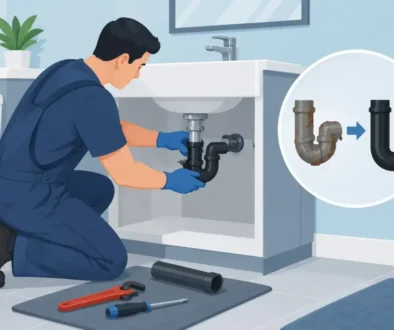
Replacing a washer or clearing a simple trap can be manageable for some homeowners, but DIY work has limits. Temporary sealants, tape and chemical drain cleaners may hide a problem briefly while allowing water damage to continue out of sight.
Call a professional for recurring leaks, leaks near electrical fittings, water coming through a ceiling, damaged pipework, boiler or radiator faults, and any issue you cannot isolate safely. Landlords should also deal with reported leaks promptly to protect the property and meet their responsibilities to tenants.
For homeowners across Warrington and the wider North West, AquaHeat can assess plumbing leaks, identify the underlying cause and carry out dependable repairs. A small repair completed at the right time is often the best protection against a much larger problem later.