Water Leaks: Signs, First Steps and Repairs
A small damp patch beneath the kitchen sink can turn into a damaged cupboard, warped flooring or a much larger repair if it is left alone. Water leaks are easy to dismiss when the drip is slow or the water disappears out of sight, but prompt action usually limits both the disruption and the cost.
The signs of water leaks in your home
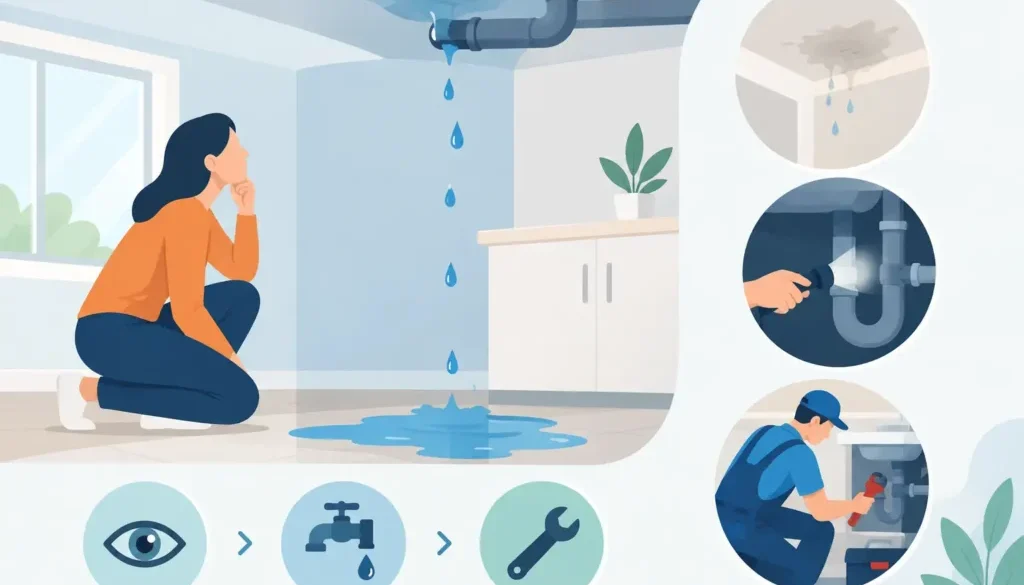
Not every leak comes with a visible puddle. Many develop behind cupboards, under floors, inside walls or around pipework that is rarely checked. A sudden rise in your water bill is one warning sign, particularly if your household routine has not changed. If your water meter continues to move when all taps and appliances are off, it may indicate water is escaping somewhere on the system.
Look out for peeling paint, bubbling wallpaper, stained ceilings, a musty smell or mould returning in one particular area. Soft skirting boards, loose floor tiles and warped laminate can also point to moisture beneath the surface. In bathrooms, failed sealant around a bath or shower tray can allow water to travel into adjacent rooms before the original fault becomes obvious.
Boiler pressure that keeps dropping should not be ignored either. While there can be several causes, a leak on central-heating pipework or a component within the boiler system may be responsible. Repeatedly topping up the pressure without finding the cause can lead to further problems.
What to do when you find a leak
The right first step depends on the location and severity of the leak. If water is flowing freely from a pipe, fitting or appliance connection, turn off the stopcock if it is safe to do so. In most homes, it is located under the kitchen sink, in a utility room, near the front entrance or where the mains supply enters the property. Every household should know where its stopcock is and check occasionally that it still turns.
For a smaller leak beneath a sink, isolate the local supply where possible using the isolation valve on the pipework. Turn off washing machines and dishwashers at their supply valves if the leak is connected to one of those appliances. Place towels or a suitable container underneath to catch remaining water, then dry the area as thoroughly as you can.
Take care around electrics. Do not touch sockets, light fittings or electrical equipment if water is nearby. If a ceiling is bulging with water, keep clear of the area below it and avoid attempting to puncture it yourself. The ceiling may be weakened, and the source of the water still needs to be made safe.
If you suspect a leak from a boiler or heating system, switch the boiler off if water is reaching electrical components or escaping heavily. Do not remove the boiler casing or attempt internal repairs. A qualified engineer can identify whether the issue is linked to a valve, pump, pressure relief discharge, corroded pipework or another fault.
Common places leaks start
Leaks do not always begin with a burst pipe. More often, they are caused by gradual wear, failed seals or loose connections. The most common domestic trouble spots include taps, toilets, radiator valves, shower seals, appliance hoses and pipe joints beneath sinks.
A dripping tap may seem minor, but worn washers, cartridges and seals can worsen over time. Toilets can leak internally without leaving water on the floor. If you can hear the cistern refilling intermittently when it has not been flushed, a faulty flush valve may be allowing water to pass into the pan.
Flexible hoses behind washing machines and dishwashers deserve particular attention. They are often hidden from view and can deteriorate with age. Check them periodically for corrosion around connectors, cracking, bulging or signs of moisture. Avoid pushing appliances back tightly against pipework, as this can strain connections.
Central-heating leaks are sometimes more difficult to trace. A radiator valve may weep only when the heating is running, while pipework below a solid floor may show no clear sign until a damp patch appears. Brown staining on ceilings below upstairs radiators, bathrooms or airing cupboards should always be investigated promptly.
When a water leak needs professional repair
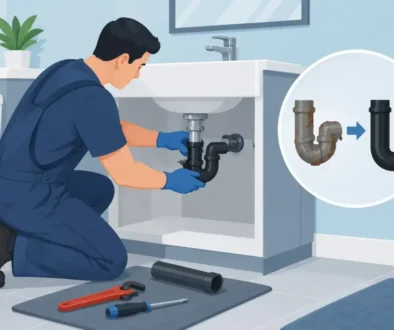
A homeowner can sometimes tighten a loose trap or replace a simple washer, but there is a clear line between a minor job and a repair that needs a professional. Call a qualified plumber if the source is hidden, the leak keeps returning, water has affected ceilings or floors, or you need to shut off the main supply to control it.
Leaks involving a boiler, unvented cylinder, central-heating system or gas appliance should be assessed by the appropriate qualified engineer. Heating systems need to be repaired properly, then refilled, vented and pressure-tested where required. A temporary fix may stop the visible water but leave the underlying cause unresolved.
For landlords, a leak should be dealt with quickly to protect the property and avoid disruption for tenants. Documentation can also be useful where there is an insurance claim or damage needs to be assessed. The repair itself and any separate damage restoration are often different pieces of work, so it helps to establish the source first.
AquaHeat Heating Services Limited provides domestic plumbing and heating repairs across Warrington and the surrounding North West, with qualified engineers who can identify the cause rather than simply patching over the symptom.
Preventing water leaks before they cause damage
Prevention is mostly about regular checks and acting on small warning signs. Inspect visible pipework under sinks and around toilets every few months, especially in older properties. Run your hand carefully around accessible joints to check for moisture, and look inside cupboards where water marks can go unnoticed.
Keep an eye on silicone sealant around showers, baths and basins. If it has cracked, lifted away from the surface or turned mouldy despite cleaning, it may no longer be keeping water out. Renewing sealant early is usually far less disruptive than repairing damp plasterboard or flooring later.
During colder weather, frozen pipes are a major risk. Keep the heating on a low, consistent setting when temperatures fall, particularly if the home will be empty. Insulate vulnerable pipes in lofts, garages and external areas, but remember that insulation reduces the risk rather than making pipes immune to freezing. If a pipe freezes, do not use a naked flame to thaw it.
A boiler service can also help spot developing issues within a heating system. It is not a guarantee against every leak, but routine checks give an engineer the opportunity to identify corrosion, pressure concerns and worn components before they become more serious.
A quick check can save a costly repair
Water damage often spreads further than expected because moisture follows pipe runs, floor voids and cavities. The sooner the leak is isolated and its cause is identified, the better the chance of avoiding damaged finishes, mould growth and unnecessary upheaval.
If you have found a damp patch, falling boiler pressure or unexplained water use, treat it as a reason to investigate rather than something to watch for another month. A practical repair at the right time can protect the parts of your home you cannot easily see.