What Is Involved in Installing a New Boiler?
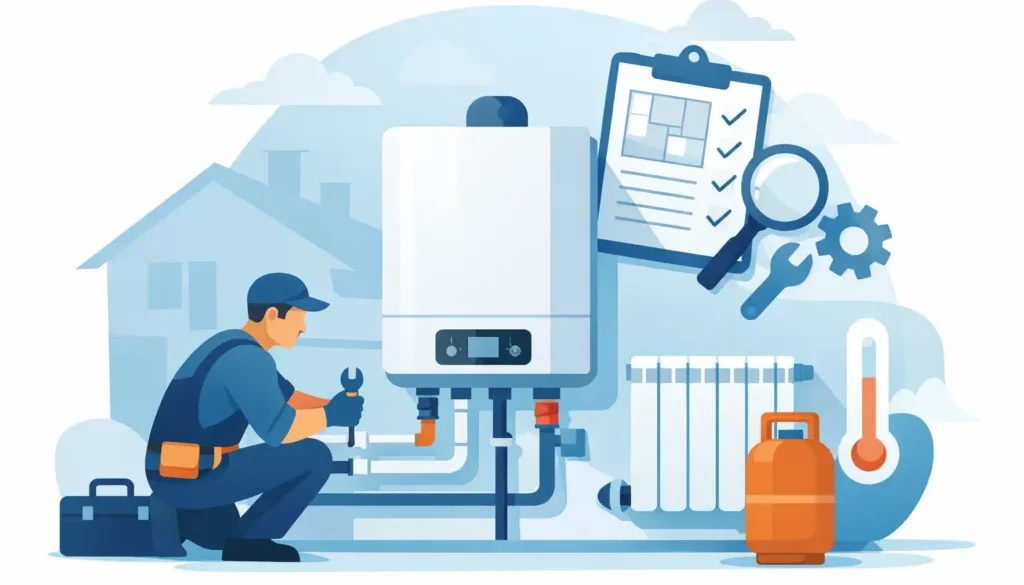
A boiler replacement is not just a case of taking the old one off the wall and fixing a new one in its place. If you are wondering what is involved in installing a new boiler, the short answer is planning, safety checks, the right boiler choice, skilled fitting, and proper testing at the end. Done properly, it should leave you with reliable heating, safe hot water, and a system that suits your home rather than causing problems later.
For most homeowners, the main concern is simple. You want to know how disruptive it will be, how long it will take, and whether the new boiler will actually lower running costs and improve reliability. The exact work depends on the age of your current system, the type of boiler being fitted, and whether the new appliance is going in the same location.
What is involved in installing a new boiler before any work starts?
The first stage is a proper assessment of the existing heating system. A qualified engineer will usually look at the current boiler, the pipework, the radiators, the flue route, the petrol supply, and the hot water setup. This matters because a boiler should be sized and specified for the property, not just swapped like for like without checking whether it is actually right for the home.
A small flat and a larger family house will have very different heating and hot water demands. The number of bathrooms, the water pressure coming into the property, and how many people live there can all affect which boiler is most suitable. In some homes, a combi boiler is the obvious choice. In others, a system boiler or regular boiler may still be the better option.
This early stage is also where any wider issues often come to light. If the radiators are heavily sludged, if the controls are outdated, or if the flue position does not meet current requirements, those points need to be dealt with as part of the installation. It is better to identify them before the job starts than halfway through.
Choosing the right boiler and system setup
A new boiler installation should begin with the right recommendation, not the cheapest appliance on paper. A boiler that is too small may struggle in colder weather or when more than one tap is in use. A boiler that is too large can be inefficient and may cycle on and off more than it should.
That is why the installation process often includes advice on output, efficiency, controls, and whether the existing heating system needs upgrades. In many cases, modern thermostats and programmable controls are worth considering at the same time. They can improve comfort and help reduce waste, but they need to be compatible with the boiler and suitable for how the household actually uses heating.
There is often a trade-off between keeping the work simple and making bigger improvements. Replacing a combi with a new combi in the same location is usually more straightforward and less disruptive. Converting from a regular boiler with tanks to a combi can free up space, but it may involve extra pipework changes and may not suit every property.
Removing the old boiler safely
Once the new boiler and installation plan are agreed, the old boiler has to be isolated and removed safely. This includes shutting off the petrol and water supplies where needed, draining the heating system, and disconnecting the appliance correctly.
This is not just a practical step. It is a safety-critical part of the work. Petrol appliances must always be handled by a properly qualified engineer. There may also be old flue components, outdated fittings, or signs of wear on surrounding pipework that need attention during removal.
In some homes, taking out the old boiler is quick because everything is accessible and in reasonable condition. In others, older installations can be more awkward. Cupboards may need adjustment, boxing may need opening, or existing pipework may be poorly laid out. That is one reason why installation times can vary.
Pipework, flue and location changes
A lot of the work involved in installing a new boiler happens around the boiler rather than inside it. Pipework often needs altering to suit the new appliance. Even when a boiler is being replaced in the same position, modern models rarely line up exactly with older systems.
If the boiler is being moved to a new location, the job becomes more involved. The petrol pipe may need rerouting or upgrading to ensure the appliance receives the correct supply. Heating flow and return pipes may need extending. The condensate pipe needs to be run correctly, and the new flue has to be positioned in line with current regulations.
The flue is especially important. It must discharge safely and be placed with the correct clearances from windows, doors, and other openings. A modern condensing boiler also produces condensate, which has to be drained away properly. If that part is not installed correctly, it can cause nuisance issues later, especially in colder weather.
System cleaning and protection
One of the most overlooked parts of a boiler installation is system water quality. If a new boiler is connected to a dirty heating system full of sludge and debris, it can affect performance and shorten the life of components.
That is why cleaning the system is often part of what is involved in installing a new boiler. The extent of this depends on the condition of the existing pipework and radiators. Some systems need a chemical flush, while others may benefit from more intensive cleaning. It depends on age, contamination levels, and whether there have been signs such as cold spots on radiators or repeated boiler faults.
A magnetic filter is also commonly fitted to help protect the new boiler from circulating debris. Inhibitor is usually added to the system water as well. These are not extras for the sake of it. They are sensible measures that help protect the investment and support long-term reliability.
Fitting the new boiler and controls
Once the system is prepared, the new boiler can be mounted and connected. This includes the heating pipework, hot water connections where relevant, petrol supply, condensate drain, pressure relief arrangements, and flue.
At this stage, any new controls are also installed or upgraded. That might include a room thermostat, programmer, smart control, thermostatic radiator valves, or a combination of these. Good controls make a real difference, but only if they are set up properly and explained clearly to the customer.
For landlords, this part of the process also matters from a compliance point of view. The boiler and associated petrol work need to be installed correctly, documented properly, and left safe for tenants to use.
Testing, commissioning and certification
A boiler is not finished when it is physically fitted. It then has to be tested and commissioned correctly. This includes checking petrol pressures, inspecting the flue operation, testing for soundness, filling and venting the system, setting the boiler up, and making sure it is working as intended.
The engineer should also confirm that controls respond properly, radiators are heating as they should, and hot water performance is correct for the type of boiler installed. Any installer who rushes past this stage is storing up problems.
The final part is the paperwork. A new petrol boiler installation should be registered and certified in line with current requirements. You should also receive the relevant documents for warranty and building regulations compliance. Keeping these safe is important, especially if you sell the property or need future service support.
How long does a new boiler installation take?
Many straightforward replacements can be completed within a day, particularly when the new boiler is similar to the old one and stays in the same place. More complex jobs can take longer, especially where there is a system conversion, a relocation, or additional heating upgrades.
The best approach is to ask for a realistic timescale based on your home rather than relying on generic estimates. A trustworthy installer will explain what is involved, what could affect the schedule, and whether there may be any period without heating or hot water.
What affects the overall cost?
The boiler itself is only part of the price. The final cost depends on the type of appliance, the amount of labour, whether pipework changes are needed, if the system needs cleaning, and what controls are being fitted.
Cheaper quotations are not always better value if key steps are being skipped. If one quote includes proper flushing, a magnetic filter, upgraded controls and full commissioning, while another does not, that difference matters. Fair pricing is about understanding what is actually included.
For homeowners across Warrington and the wider North West, the main thing is to choose an experienced, qualified installer who takes the full system into account. A company such as AquaHeat Heating Services Limited will look at the job properly, explain the options in clear terms, and carry out the work with safety and long-term performance in mind.
A new boiler should leave you warmer, safer and less worried about the next breakdown. If the installation is planned properly from the start, that is exactly what it tends to do.