What Is the Average Cost of a Boiler Installation?
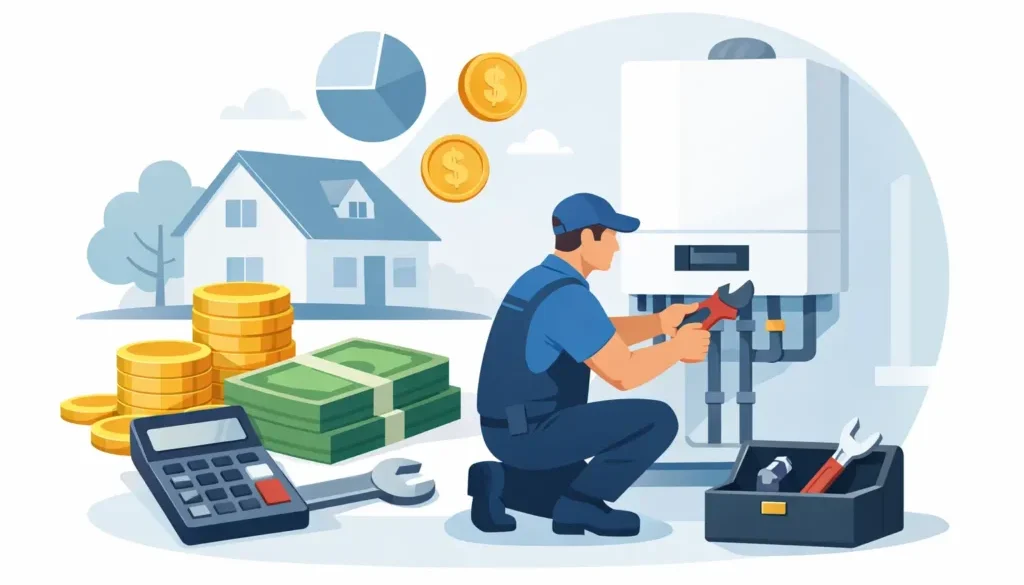
If your boiler has started making odd noises, losing pressure, or struggling to keep the house warm, one question usually comes up straight away – what is the average cost of a boiler installation? For most UK homes, the answer is usually somewhere between £2,000 and £4,500, but the final figure depends on the boiler itself, the complexity of the job, and whether anything else needs upgrading at the same time.
That range is wide for a reason. A straightforward combi swap in a similar location is very different from replacing an older conventional system, moving pipework, or fitting new controls. The best way to look at boiler costs is not as one fixed price, but as a quote made up of several parts.
What is the average cost of a boiler installation in the UK?
In practical terms, a like-for-like combi boiler replacement is often the most affordable type of installation. Many homeowners will see quotes starting from around £2,000 to £3,000 for a standard replacement, depending on the make, output and warranty length.
If you are changing from a conventional or system boiler to a combi, the cost is often higher. That is because the job usually involves more labour, changes to pipework, removal of tanks or cylinders, and checks to make sure the new setup suits the property. In those cases, prices can often sit between £3,000 and £4,500, and sometimes more if the system is older or access is awkward.
A system-to-system or regular-to-regular replacement often lands somewhere in the middle, although larger homes with higher hot water demand can need bigger or more specialist equipment. If you have multiple bathrooms, a higher output boiler or a stored hot water setup may be the better long-term choice, even if it costs more upfront.
What makes boiler installation costs go up or down?
The boiler model is only one part of the price. Labour, materials, safety checks and the condition of your existing heating system can all affect the quote.
Type of boiler
Combi boilers are popular because they provide heating and hot water without a separate tank in many homes. They are often quicker and simpler to replace when there is already a combi in place. System and conventional boilers can cost more overall because the setup is more involved, and there may be additional components to inspect or replace.
Size and output
A small flat with one bathroom does not need the same boiler output as a larger family home. Choosing a boiler that is too small can leave you short on heating or hot water. Choosing one that is too large can mean paying more than necessary. A proper assessment should match the boiler to the property, not just pick the cheapest unit available.
Complexity of the installation
A boiler fitted in the same place as the old one, with existing pipework in good condition, is usually more straightforward. Costs rise when the boiler needs to be relocated, the flue position has to change, access is difficult, or old pipework needs bringing up to standard.
Controls and upgrades
A new boiler installation may include updated controls such as a smart thermostat, programmer or new thermostatic radiator valves. These can improve efficiency and day-to-day comfort, but they also add to the initial cost. In many cases, they are worth considering because a new boiler will only perform as well as the system controlling it.
Filter, flushing and system condition
If your heating system contains sludge or debris, the installer may recommend a chemical flush or power flush, as well as fitting a magnetic filter. This helps protect the new boiler and can improve efficiency. It is an extra cost, but skipping it on a tired system can be a false economy.
Brand and warranty
Some boilers cost more because they come with longer warranties or are considered more premium options. That does not always mean they are the right choice for every home. A dependable mid-range boiler, correctly installed and maintained, is often better value than an expensive model that is not suited to the property.
Typical boiler installation price ranges
While every home is different, these ballpark figures are a sensible guide for domestic properties.
A straightforward combi-to-combi replacement may cost around £2,000 to £3,000. A system-to-system or conventional-to-conventional replacement often falls between £2,500 and £4,000. A conversion from a conventional boiler to a combi is often around £3,000 to £4,500 or more.
If the job involves relocating the boiler, upgrading petrol pipework, replacing the flue route, or dealing with a poor existing system, costs can move beyond those figures. That is why a proper survey matters. Two houses that look similar on the outside can need very different amounts of work once the heating system is checked properly.
Why the cheapest boiler quote is not always the best value
It is understandable to focus on price, especially when a boiler fails unexpectedly. But a very low quote can sometimes leave out important parts of the job.
For example, some quotes may not include system cleansing, a magnetic filter, waste removal, controls, commissioning, or registration of the boiler installation. Others may include a budget boiler with a shorter warranty, or allow less time for careful installation. That can lead to problems later, from reduced efficiency to reliability issues.
A fair quote should be clear about what is included. You should know the boiler make and model, warranty length, what controls are fitted, whether flushing is included, and whether any upgrades to pipework or other components are expected. Good heating engineers will explain these points in plain terms rather than burying them in jargon.
Should you repair the boiler or replace it?
This is often the real decision behind the cost question. If the boiler is relatively modern and the fault is minor, a repair may make more sense. But if it is older, unreliable, out of warranty, or increasingly expensive to maintain, replacement can be the better option.
As a rough guide, many homeowners start to think seriously about replacement when a boiler is over 10 to 15 years old, parts are becoming harder to source, or repair bills are starting to stack up. Efficiency also matters. An older boiler may still run, but if it is wasting energy, the day-to-day cost of heating the home can stay unnecessarily high.
That said, replacement is not always urgent just because a boiler is ageing. Some systems continue to perform well with proper servicing. The sensible approach is to compare the likely repair cost, the boiler’s overall condition, and the chances of further issues in the near future.
How to keep boiler installation costs under control
The best way to avoid overspending is to choose the right boiler for the property and make sure the quote covers the full job. Bigger is not always better, and a low headline figure is not always cheaper once extras are added.
It also helps to replace the boiler before it becomes an emergency, if possible. When the heating fails in the middle of winter, people are more likely to rush the decision. If your current boiler is becoming unreliable, getting advice early gives you more time to compare options properly.
Working with a qualified, experienced local installer also matters. A proper survey can identify problems before work starts, which reduces the chance of unwelcome surprises on the day. For homeowners and landlords in Warrington and the wider North West, that local knowledge can make a real difference, particularly in older properties where existing heating systems may have been altered over time.
What should be included in a boiler installation quote?
A clear quote should cover more than the appliance alone. It should normally include removal of the old boiler, installation of the new one, necessary fittings and flue components, commissioning, testing, and registration. It may also include controls, a system filter, inhibitor, and some level of system cleaning.
If anything is not included, that should be stated clearly. There is nothing wrong with optional extras when they are genuinely optional. The problem is when important parts of the job appear later as unexpected add-ons.
If you are comparing quotes, check that you are comparing like for like. One installer may appear cheaper simply because less has been allowed for. AquaHeat Heating Services Limited, like any dependable heating firm, would rather explain the job properly at the start than promise an unrealistically low figure and revise it later.
So, what is a realistic budget?
For many households, a sensible budget for a boiler installation is around £2,500 to £4,000. Some jobs will come in below that, especially simple combi swaps. Others will go above it where the system needs more extensive work.
The key is not chasing an average for its own sake. The right question is what the installation should cost for your home, your hot water demand, and the condition of your existing system. A boiler is one of the most important pieces of equipment in the house. When it is installed properly, sized correctly, and supported by good controls, it gives you reliable heating, safe hot water, and fewer headaches when the weather turns cold.
If you are weighing up replacement, it helps to think beyond the initial figure and look at the full picture – safety, efficiency, reliability, and whether the work is being done properly from day one.