Best Ways to Prevent Frozen Pipes at Home
A burst pipe can turn a cold Warrington morning into a costly emergency very quickly. Water damage can affect ceilings, floors, electrics and belongings long after the pipe has been repaired. The best ways to prevent frozen pipes are simple, practical measures taken before temperatures fall, particularly in lofts, garages, cupboards and empty properties.
Frozen pipes are most common where pipework is exposed to cold air or where the heating has been turned down too far. A little preparation gives you a much better chance of keeping water flowing and avoiding an avoidable call-out.
The best ways to prevent frozen pipes before winter
Insulate exposed pipework properly
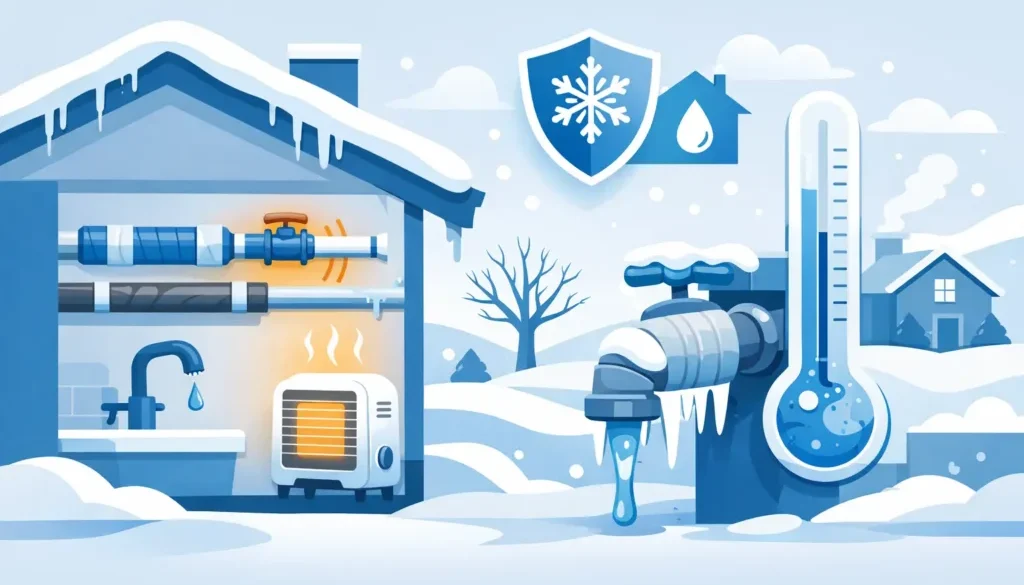
Pipe insulation, often called lagging, is one of the most effective defences against freezing. Fit it to water pipes in unheated areas such as lofts, garages, under-floor voids, outbuildings and external cupboards. Pay particular attention to pipes close to outside walls, where cold air can quickly bring temperatures down.
Choose insulation that fits snugly around the pipe, with no large gaps at bends, joints or valves. It does not need to be expensive, but it does need to be fitted carefully. Tape joins where necessary and replace old, split or waterlogged lagging, as damaged insulation will not offer the same protection.
Lagging slows heat loss rather than making a pipe warm. During a prolonged cold spell, insulated pipes can still freeze if the surrounding space becomes cold enough. That is why insulation works best alongside sensible heating and draught-proofing.
Keep your heating on a low, steady setting
Turning the heating off completely is a false economy when frost is forecast. Keeping your heating on low, or using a frost-protection setting, helps maintain a safe background temperature around internal pipework. For most occupied homes, a steady setting is preferable to allowing the property to become very cold and then trying to heat it quickly.
If you are away, set the heating timer to come on regularly and keep the thermostat at a low temperature, commonly around 12-14°C. The right setting depends on the property, the insulation level and whether there are pipes in vulnerable spaces, but the aim is to prevent the house from becoming cold throughout.
Do not rely on a single portable heater to protect an empty home. They may not reach concealed pipes and can create a fire risk if left unattended. A properly working central heating system is the safer option.
Seal draughts around vulnerable areas
Cold air entering a loft, under-sink cupboard or garage can freeze pipes even when the rest of the house feels comfortable. Check for gaps around pipe entries, loose vents, damaged seals and ill-fitting doors. Blocking unnecessary draughts can make a real difference, especially around kitchen extensions and utility rooms.
Take care not to block essential ventilation. Boilers, gas appliances and roof spaces may require specific ventilation for safety or moisture control. If you are unsure whether an opening should be sealed, ask a qualified heating or plumbing engineer rather than guessing.
Protect outside taps and garden pipework
External taps are among the first parts of a plumbing system to freeze. Before winter, disconnect hoses, sprinklers and pressure washers. A hose left attached can trap water and allow frost to affect the tap and the pipe behind it.
If your outside tap has an internal isolation valve, turn it off and drain any remaining water from the external section. An insulated tap cover provides extra protection, but it is not a substitute for isolating and draining the supply where possible. Check garage and outbuilding supplies too, as these are often overlooked.
Keep an eye on pipes in cold spots
Some pipework is harder to see, which is why winter checks are worthwhile. Look under kitchen and bathroom sinks, behind washing machines, in airing cupboards and around the boiler. Feel for unusually cold areas and look for signs that an old leak or draught has damaged insulation.
On particularly cold nights, opening cupboard doors beneath sinks can help warmer room air circulate around the pipes. This is especially useful where plumbing runs against an external wall. Keep cleaning products and chemicals safely out of reach if children or pets are in the home.
If you have had a frozen pipe before, treat that location as a priority. The cause may be insufficient lagging, a nearby draught or a pipe route that needs improving. Repeated freezing is not something to accept each winter – a plumber can assess whether the pipework should be insulated, rerouted or otherwise protected.
Know where your stop tap is
Every homeowner and landlord should know the location of the internal stop tap, also known as the stopcock. It is often under the kitchen sink, but it may be in a utility room, hallway cupboard or near the water meter. Turn it carefully from time to time to make sure it still operates, as a seized stop tap is no help during a leak.
Make sure other adults in the household know where it is too. If a pipe bursts, shutting off the water supply quickly can substantially reduce the damage. It is also sensible to know where your consumer unit is, particularly if water is near electrical fittings.
For landlords, provide tenants with clear instructions on where the stop tap is located and what to do if they spot a leak. A quick response protects the property and gives tenants confidence that they know how to act in an emergency.
Take extra care when leaving a property empty
Empty homes are at greater risk because no one notices a failed boiler, falling room temperature or small leak straight away. If you are going away for a few days during winter, do not simply switch everything off. Leave the heating on a low setting, check the boiler pressure beforehand and make sure a trusted person can access the property if needed.
For a property that will be empty for longer, the best approach depends on the heating system and the length of vacancy. Draining down the water system may be appropriate in some cases, but it should be carried out correctly. Incorrectly draining a system, or leaving parts of it full, can cause further problems. A qualified professional can advise on the safest option for your home or rental property.
It is worth checking your home insurance terms as well. Many policies have conditions for unoccupied properties, including requirements around heating, inspections or isolating the water supply. Following those conditions matters if you ever need to make a claim.
Do not overlook the boiler condensate pipe
Modern condensing boilers produce water that drains away through a condensate pipe. Where this pipe runs outside, it can freeze in very cold weather and cause the boiler to shut down or display a fault code. You may notice that the heating and hot water have stopped even though the gas and electricity supplies are working.
External condensate pipework should be correctly sized, insulated and routed to reduce the chance of freezing. If your boiler regularly locks out during frost, have the pipework checked rather than repeatedly resetting the boiler. In an urgent situation, gentle warming may help, but never use a naked flame, boiling water or excessive force on pipework.
Arrange servicing before the coldest weather arrives
A boiler service will not insulate your water pipes, but it can identify issues that leave a home vulnerable in winter. A qualified engineer can check that the boiler is operating safely, the controls are working as intended and the system is ready for increased demand.
If radiators have cold patches, the boiler pressure drops regularly, or the heating takes a long time to warm up, deal with it before a cold spell. A heating system that is already struggling is less likely to protect your home when temperatures fall below freezing.
What to do if a pipe freezes
If water has stopped flowing from one tap while other outlets are working, a frozen pipe may be the cause. Turn off the water supply at the stop tap if you can do so safely, then open the affected tap to relieve pressure as the ice melts.
Warm the pipe gradually with warm towels, a hot water bottle or a hairdryer on a low setting, starting near the tap and working back towards the frozen section. Never use a blowtorch, heat gun or naked flame. If the pipe is hidden, visibly damaged, or you cannot identify where it has frozen, contact a qualified plumber.
Once the water starts running again, inspect the pipework carefully for leaks. A pipe can split while frozen but only start dripping once the ice thaws. If there is a burst, turn off the water, contain the leak where possible and seek professional help promptly.
A few hours spent checking lagging, heating controls and outside taps before winter can prevent a great deal of disruption later. If you are unsure about exposed pipework or a boiler that is not performing as it should, AquaHeat Heating Services can help you prepare your home for colder weather with practical, qualified advice.