What Does a CP12 Certificate Cover?
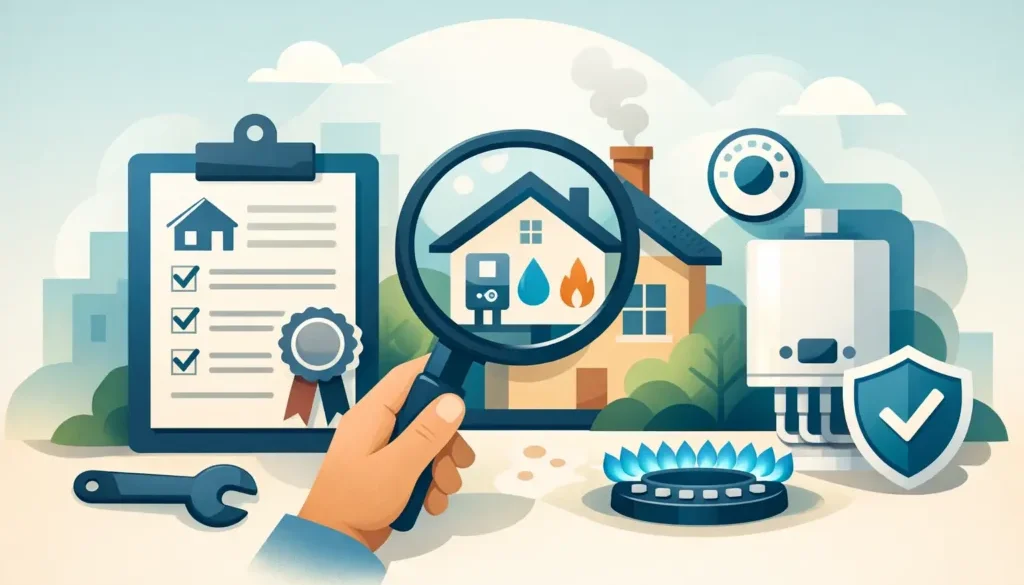
If you are arranging a gas safety check for a rental property in Warrington, one of the first questions is usually what does a CP12 certificate cover. That matters because a CP12 is not a general heating report and it is not the same as a boiler service. It is a legal gas safety record that confirms whether the gas appliances and related fittings that have been checked are safe at the time of inspection.
For landlords, that distinction is especially important. A valid CP12 helps show that your legal duties around gas safety are being met, but only if the right appliances and pipework have actually been inspected by a Gas Safe registered engineer. For homeowners, the same type of check can still be useful, but the legal requirement applies specifically to rented properties.
What does a CP12 certificate cover in practice?
A CP12 certificate covers the gas appliances, flues and related gas fittings in a property that the engineer has been asked to inspect and is able to access safely. In most homes, that often includes the boiler, gas hob, gas fire and sometimes other gas appliances such as a cooker.
The engineer is checking whether each appliance is operating safely and whether it meets the relevant gas safety standards at the time of the visit. That usually includes looking at the condition of the appliance, checking that combustion is correct, confirming that the flue is working properly, making sure ventilation is adequate where required, and inspecting for obvious gas leaks or unsafe issues.
The certificate also records practical details. These include the address of the property, the date of inspection, the appliances checked, the results of the safety checks, any defects identified, and the name and Gas Safe registration details of the engineer carrying out the work.
The main checks included on a CP12
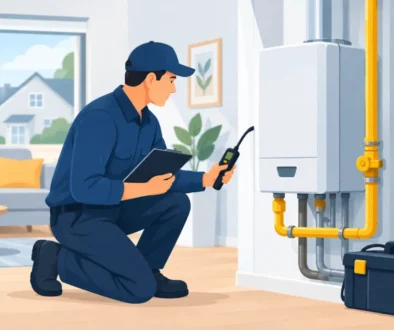
Although the exact process can vary slightly depending on the property and the appliances installed, a CP12 inspection normally covers a set of core gas safety checks.
Appliance safety
Each gas appliance listed on the record is visually inspected and tested where appropriate. The engineer checks that it is burning gas properly and safely. If there are signs of unsafe operation, damage or incorrect installation, that should be recorded.
Gas tightness
A gas tightness test may be carried out to help confirm there are no leaks on the installation pipework. This is one of the most important parts of the check because even a small gas leak can create a serious safety risk.
Flue performance
Where an appliance uses a flue, the flue must be checked to make sure fumes are being removed safely to the outside. If combustion products are not venting properly, dangerous carbon monoxide could build up inside the property.
Ventilation
Some appliances require permanent ventilation to work safely. The engineer will check whether vents are present where needed and whether they are clear and unobstructed.
Flame picture and burner pressure
Where relevant, the engineer may check the flame pattern and operating pressure or gas rate to make sure the appliance is working within safe limits. That helps identify problems that may not be obvious from a simple visual check.
Safety devices
If an appliance has safety devices fitted, these may also be checked to make sure they are functioning properly.
What a CP12 does not cover
This is the part that often catches people out. A CP12 certificate is a gas safety record, not a full maintenance visit. It is there to confirm safety and compliance, not to clean, repair or optimise the heating system.
A CP12 does not automatically include a full boiler service. During a boiler service, the engineer may carry out more detailed maintenance such as cleaning components, checking seals more thoroughly, inspecting internal parts, and assessing the appliance for efficiency and wear. A landlord can book a CP12 and a boiler service together, and many do, but they are not the same job.
It also does not cover general plumbing, radiator performance, water pressure issues, or the wider condition of the central heating system unless those items directly affect gas safety. If a radiator is cold at the bottom or a bathroom tap is dripping, that would not normally appear on a CP12.
Electrical safety is outside the scope as well, apart from basic checks linked directly to the safe operation of the appliance. For example, a separate electrical inspection would deal with the property’s wiring or consumer unit, not a gas safety certificate.
What happens if a fault is found?
If the engineer finds a problem, the certificate should record it clearly. Not every issue means the appliance is immediately dangerous, but some faults do require urgent action.
In serious cases, an appliance may be classed as unsafe. If that happens, the engineer should explain the issue, advise on the next steps, and may disconnect the appliance if necessary to prevent use. For landlords, this is not just an inconvenience. It means the fault needs dealing with promptly to keep tenants safe and to meet legal responsibilities.
Some defects are less urgent but still need attention. For example, there may be a ventilation issue, signs of poor combustion, or a flue concern that requires remedial work. A CP12 is not a pass-or-fail certificate in the same way as an MOT, but it does provide a formal record of what has been checked and whether any action is needed.
Does a CP12 cover every gas appliance in the property?
Only if every appliance is included in the inspection and can be accessed. That sounds obvious, but it is worth stating because there can be limits.
If there is a locked room, boxed-in flue, inaccessible appliance or a tenant has installed their own gas cooker, the engineer may not be able to inspect everything in the usual way. In those cases, the record should make clear what was and was not checked.
For landlords, this means it is sensible to make sure access is arranged in advance and that all relevant appliances are identified before the visit. If something is missed, it may leave a gap in your compliance record.
Is a CP12 only for landlords?
The legal requirement is for landlords of residential rental properties. They must arrange an annual gas safety check and provide tenants with the record within the required timescales.
Homeowners do not need a CP12 by law for their own property, but they can still request a gas safety inspection if they want reassurance about an appliance. In practice, homeowners are more likely to book a boiler service or a broader gas safety check rather than ask specifically for a CP12, but the underlying safety checks can be very similar.
Why the difference between a CP12 and a boiler service matters
A lot of people assume one automatically covers the other. Sometimes that misunderstanding only comes up when a boiler later breaks down and the customer says, quite reasonably, that it was checked not long ago.
The issue is that a CP12 focuses on whether the appliance is safe. A boiler service goes further into condition, maintenance and performance. An appliance can be safe on the day of inspection but still have parts that are worn, dirty or likely to fail later.
That is why many landlords choose to have both carried out at the same appointment. It saves time, reduces the risk of confusion, and gives a clearer picture of both legal compliance and the boiler’s overall condition.
What information appears on the certificate?
The certificate itself is not just a tick-box form. It is a formal record showing what was inspected and by whom. It normally includes the property address, inspection date, appliance details, test outcomes, any safety concerns, and confirmation of the engineer’s Gas Safe credentials.
It may also note actions taken, such as whether an appliance was turned off or whether further work is required. That paperwork matters because it provides evidence that the inspection was carried out and gives a record to refer back to if there are future questions.
Choosing the right engineer for a CP12
Because this is a legal gas safety inspection, it must be carried out by a Gas Safe registered engineer. That is not an area to cut corners. You want someone who understands domestic gas systems properly, explains findings clearly, and records any issues accurately.
For landlords especially, a dependable local company can make a real difference. If remedial work is needed after the inspection, it is far easier when the same team can deal with the repair promptly rather than leaving you to arrange separate contractors.
AquaHeat Heating Services Limited carries out CP12 landlord gas safety certificates alongside boiler servicing, repairs and wider domestic gas work across Warrington and the surrounding area, which is often the most practical setup for busy landlords and homeowners alike.
A useful way to think about it
If you are still weighing it up, the simplest answer to what does a CP12 certificate cover is this: it covers the safety of the gas appliances, flues and related fittings that are inspected during the visit, and records whether there are any defects or concerns at that time. It does not replace servicing, repairs or wider property checks. Knowing that difference helps you book the right job, avoid false assumptions, and keep the property safe for the people living in it.