CP12 Tenant Responsibilities for Renters
A gas engineer cannot complete a landlord gas safety check if nobody can get to the boiler, gas meter or appliances. That is where CP12 tenant responsibilities become relevant. While the legal duty to arrange a CP12 certificate sits with the landlord, tenants play a practical part in helping the check happen and in reporting anything that may affect gas safety.
For renters, the aim is simple: give reasonable access for the inspection, keep the appointment where possible, and raise concerns promptly. For landlords, clear communication and properly recorded appointment attempts help keep the property compliant while protecting the people living there.
What a CP12 certificate covers
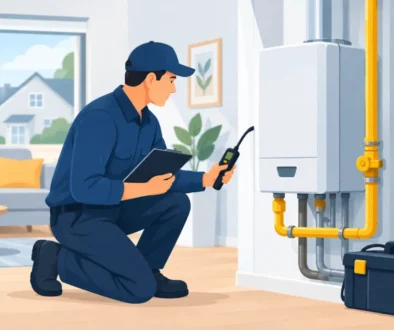
A CP12 is the common name for a landlord gas safety record. It is completed by a Gas Safe registered engineer after checking the gas appliances, pipework and flues that the landlord provides. In most rented homes, this includes the boiler, gas fire, cooker or hob if supplied by the landlord, and the visible gas installation.
The engineer checks that appliances are operating safely, have suitable ventilation where required, are burning gas correctly and that flues are removing combustion products safely. They will also identify faults that need attention. A boiler service and a gas safety check can overlap, but they are not automatically the same job. A landlord may choose to have both carried out at the same visit, particularly where the boiler is due its annual service.
Landlords must arrange a gas safety check before a new tenancy begins and then at least every 12 months. They must provide the tenant with a copy of the current record within 28 days of the check, or before a new tenant moves in.
CP12 tenant responsibilities for access
A tenant does not need to arrange or pay for the landlord’s annual gas safety check. However, they should allow reasonable access for a properly notified appointment. This is especially relevant where the boiler is in a locked cupboard, the gas meter is inside the property, or appliances cannot be reached without the tenant being home.
If the proposed time does not work, the sensible approach is to contact the landlord or managing agent quickly and agree an alternative. Ignoring calls, messages and appointment cards can delay the inspection and leave a landlord unable to renew the gas safety record on time.
Reasonable access does not mean a tenant has to accept an unsuitable visit without discussion. Except in an emergency, landlords should give notice and arrange a practical time. Tenants are entitled to quiet enjoyment of their home, but should not use that right to prevent essential safety work. A cooperative approach is usually the quickest and least disruptive option for everyone.
Landlords should keep a written record of appointment offers and attempts to gain access if a tenant does not respond or repeatedly cancels. This demonstrates that they have taken reasonable steps to meet their obligations. It does not remove the need to continue trying to arrange the inspection.
Report faults and warning signs without delay
Tenants are often the first people to spot a heating or gas problem. Reporting it early gives the landlord a chance to arrange a qualified engineer before a minor issue becomes a loss of heating, a water leak or a safety concern.
Get in touch with the landlord or agent promptly if the boiler stops working, the pilot light repeatedly goes out, there are unusual noises, or you can see water around the boiler. Other warning signs include black staining around a gas appliance, a yellow or lazy flame instead of a crisp blue flame, persistent condensation near the appliance, or a carbon monoxide alarm sounding.
Do not try to repair, adjust or remove a gas appliance yourself. This includes taking off the boiler casing, altering pipework or attempting to relight an appliance that has been labelled as unsafe. Only a suitably qualified Gas Safe registered engineer should carry out gas work.
If you smell gas, suspect carbon monoxide or believe there is an immediate danger, act straight away. Turn off the gas supply if it is safe to do so, open doors and windows, avoid using electrical switches or naked flames, and leave the property. Contact the appropriate emergency gas service, then inform the landlord or managing agent as soon as possible.
What tenants are not responsible for
The landlord remains responsible for arranging the annual check and ensuring that landlord-owned gas appliances, flues and pipework are safe. A tenant cannot be required to source the engineer, sign off the result, pay for the CP12, or accept an expired certificate simply because an appointment has been inconvenient.
A tenant’s own gas appliance may be different. For example, if a tenant brings their own freestanding gas cooker into a property, it is not normally the landlord’s appliance for CP12 purposes. The landlord’s pipework and connection point still need to be safe, but responsibility for the appliance itself may rest with its owner. If there is any uncertainty, tenants should tell the landlord before installing or using it.
Tenants also have no obligation to carry out repairs to a landlord’s boiler or heating system. They should report the problem and allow access for assessment and repair. Where damage has been caused deliberately or through misuse, the question of cost can depend on the tenancy agreement and the circumstances, but safety work should never be delayed while that is being resolved.
Check the record when you receive it
When the CP12 record is provided, tenants should keep a copy with their tenancy paperwork. Check that the property address is correct, the inspection date is current and the engineer’s registration details are recorded. The document should list the appliances checked and show whether any defects or actions were identified.
An advisory note does not always mean an appliance is unsafe, but it should not be ignored. Ask the landlord or agent when any recommended work will be addressed. If an engineer has identified a dangerous appliance, it may be turned off or disconnected until it is made safe. That can be frustrating during cold weather, but using an unsafe appliance is never a sensible short-term solution.
Carbon monoxide alarms and everyday checks
A CP12 check is annual, whereas gas issues can arise at any time. Tenants should test carbon monoxide alarms regularly in line with the manufacturer’s instructions and report a missing, damaged or faulty alarm to the landlord. In England, landlords must provide a carbon monoxide alarm in rooms containing a fixed combustion appliance, excluding gas cookers, and must repair or replace an alarm once they are told it is not working.
Avoid blocking air vents or boxing in boilers without professional advice. Ventilation openings and flue routes are part of the appliance’s safe operation. Keep boiler cupboards reasonably clear too, so an engineer can inspect the appliance without having to move stored items or return for another visit.
Make the appointment straightforward
Before the engineer arrives, ensure there is clear access to the boiler, meter, gas appliances and any relevant flue inspection points. If you have pets, secure them if necessary. If you know about a fault, write it down so it can be explained clearly during the visit.
For landlords and tenants across Warrington and the North West, a well-organised annual check is far easier than dealing with an avoidable breakdown or a missed compliance deadline. AquaHeat Heating Services can carry out landlord gas safety checks with qualified engineers and explain any findings in plain language.
A CP12 is not paperwork to leave until the last minute. Let the landlord know about access issues early, report faults when they appear, and treat a safety appointment as a sensible part of keeping your home warm and safe.