Are Boilers Safe? A Practical Guide for Homeowners
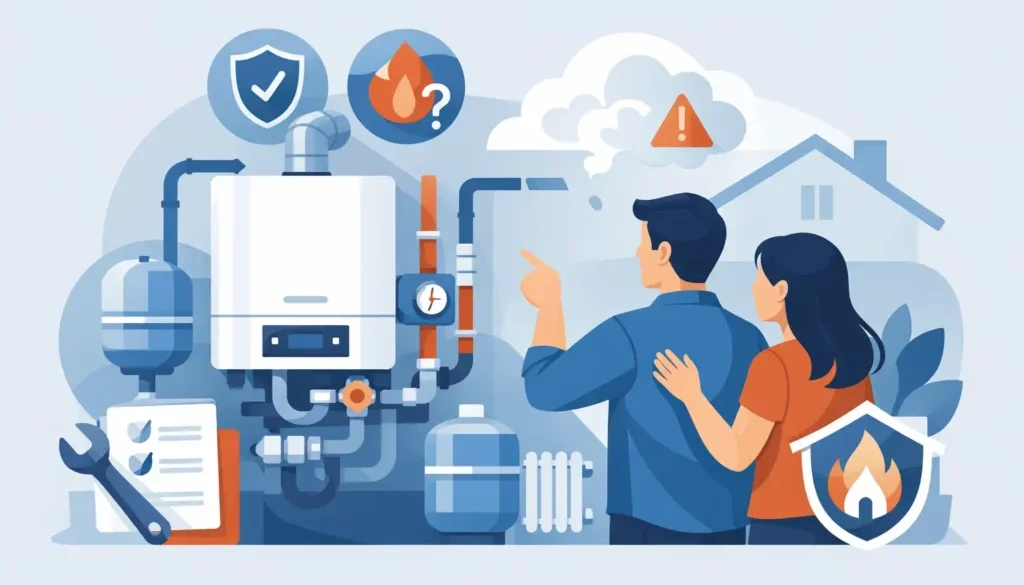
A boiler should be one of the quietest, least worrying parts of your home. It heats your water, keeps rooms comfortable and then largely disappears into the background. But are boilers safe? Yes, when they are correctly installed, properly maintained and checked by a suitably qualified Gas Safe registered engineer. Problems tend to arise when warning signs are ignored, repairs are delayed or unqualified people work on gas appliances.
For homeowners and landlords, boiler safety is not about living in fear of a fault. It is about knowing what normal operation looks like, booking the right checks and acting promptly if something does not seem right.
Are boilers safe to use every day?
Modern domestic boilers are designed with several safety features. These can include sealed combustion chambers, flame supervision devices, pressure relief valves, thermostats and automatic shut-down controls. A correctly fitted, well-maintained boiler is generally very safe to run every day.
That does not mean a boiler is maintenance-free. It burns gas to create heat, and any appliance that uses gas needs appropriate installation, ventilation, flueing and regular inspection. Wear and tear can affect parts over time, while poor combustion or a damaged flue can create serious risks if left unresolved.
The age of the boiler matters, but it is not the only factor. An older boiler that has been serviced regularly may be operating safely, while a newer appliance with an installation fault or neglected maintenance may not be. The condition of the system, its service history and the quality of previous work are more useful indicators than age alone.
The main boiler safety risks at home
The most serious concern associated with a faulty gas boiler is carbon monoxide. This is a colourless, odourless gas produced when fuel does not burn completely. It can be caused by poor combustion, a blocked or damaged flue, inadequate ventilation or a fault within the appliance.
Carbon monoxide exposure can cause headaches, dizziness, nausea, breathlessness, tiredness and confusion. These symptoms can easily be mistaken for flu or a virus, particularly during winter. If more than one person in the household feels unwell, symptoms improve when you leave the property, or your carbon monoxide alarm sounds, treat it seriously.
Gas leaks are another urgent issue. Natural gas is given a distinctive sulphur-like smell so that leaks can be recognised. A hissing sound near pipework, dead or discoloured plants around an external gas meter area, or an unexplained smell of gas all need immediate attention.
There are also less severe, but still significant, risks from hot water, pressure and electrical faults. A leaking pressure relief pipe, repeated pressure loss, water around the boiler or a tripping fuse should not be ignored. These issues may not mean there is a gas leak, but they can lead to a breakdown, water damage or unsafe operation if not investigated.
Warning signs your boiler needs checking
A boiler will not always display an obvious fault code before developing a problem. Pay attention to changes in how it looks, sounds or performs. Yellow or orange flames on a visible pilot flame, rather than a clear blue flame, can indicate incomplete combustion. Black marks, staining or scorching around the boiler are also signs that need professional inspection.
Other warning signs include unusual banging, whistling or gurgling noises; a boiler that keeps switching off; reduced hot water performance; frequent loss of pressure; or a radiator system that heats unevenly. Some of these faults are linked to sludge, air or failing components rather than an immediate danger, but they are still worth resolving before they develop into a larger repair.
Condensation around a boiler can be normal in small amounts, particularly around pipework in colder weather. Persistent leaks, drips from the casing or water collecting beneath the appliance are different. Do not remove the boiler casing to investigate. Switch the boiler off if it is safe to do so and arrange for an engineer to inspect it.
What to do if you smell gas
If you smell gas, do not operate electrical switches, use a naked flame or smoke. Open doors and windows if you can do so safely, turn off the gas supply at the meter if you know where the emergency control valve is, and leave the property.
Call the National Gas Emergency Service on 0800 111 999 from outside the building. Do not return until you have been told it is safe. Once the immediate issue has been made safe, a Gas Safe registered engineer can identify and repair any fault with your boiler or internal gas installation.
What to do if a carbon monoxide alarm sounds
Open windows and doors, switch off gas appliances if you can do so safely, and leave the property. Seek medical advice if anyone feels unwell, particularly if they have headaches, dizziness or nausea. Call the Gas Emergency Service from outside, and do not use the boiler again until it has been checked.
A carbon monoxide alarm is an essential second line of defence, not a replacement for annual servicing. Fit an audible alarm in the same room as the boiler or any other fuel-burning appliance, following the manufacturer’s placement instructions. Test it regularly and replace it when it reaches the end of its stated working life.
Why annual boiler servicing matters
An annual boiler service is the most practical way to keep a domestic boiler safe and reliable. During a service, an engineer checks that the appliance is operating correctly, examines the flue and ventilation, tests for safe combustion where required, checks key components and looks for developing faults.
Servicing also helps protect efficiency. A boiler working harder than it should can use more gas and may be more likely to break down when you rely on it most. A service cannot guarantee that no part will ever fail, but it gives problems a far better chance of being found early.
For most manufacturers, annual servicing is also a condition of the boiler warranty. Keep service records in a safe place, especially if you may sell the property or need to make a warranty claim.
Landlord responsibilities for boiler safety
Landlords have a legal duty to ensure gas appliances, flues and related pipework in rented properties are checked at least every 12 months by a Gas Safe registered engineer. The resulting Landlord Gas Safety Record, often called a CP12 certificate, must be provided to tenants within the required timescales.
A gas safety check and a full boiler service are related, but they are not always identical. The safety check confirms that gas appliances meet the required safety standards at the time of inspection. A service is more focused on the appliance’s condition, maintenance and performance. In many cases, arranging both at the same visit is the sensible option.
Tenants should report faults quickly and should never attempt repairs themselves. Landlords should respond without delay where there is a suspected gas, carbon monoxide, heating or hot water safety issue.
Safe habits that make a real difference
You do not need technical knowledge to look after your boiler safely. Keep the area around it clear so an engineer can access it and so ventilation openings are not obstructed. Do not cover boiler flues, block air vents or store paint, aerosols and flammable items in a boiler cupboard.
Check the boiler pressure gauge occasionally if your boiler has one. The normal range varies by model, but many systems sit around 1 to 1.5 bar when cold. If pressure repeatedly drops, rises unusually high or needs regular topping up, arrange an inspection rather than continually resetting it.
Avoid using an unqualified tradesperson for gas work, even for what appears to be a small job. Gas appliances, pipework and flues should only be worked on by an appropriately registered engineer. It is a straightforward safeguard that protects your household, your property and your insurance position.
If your boiler is unreliable, noisy or overdue a service, it is usually cheaper and safer to address the cause now than wait for a winter breakdown. For homeowners across Warrington and the North West, AquaHeat Heating Services can provide professional boiler servicing, repairs and gas safety checks with clear advice on the condition of your system.
A safe boiler is not one you need to think about every day. It is one that has been installed correctly, checked regularly and given prompt attention when something changes.