How to Stop Frozen Condensate Pipe Problems
A boiler that stops working during a cold spell is often not a major boiler failure. In many homes, the cause is a frozen condensate pipe outside the property. Knowing how to stop frozen condensate pipe problems can help you restore heating safely, avoid an unnecessary call-out and reduce the chance of the same issue returning next winter.
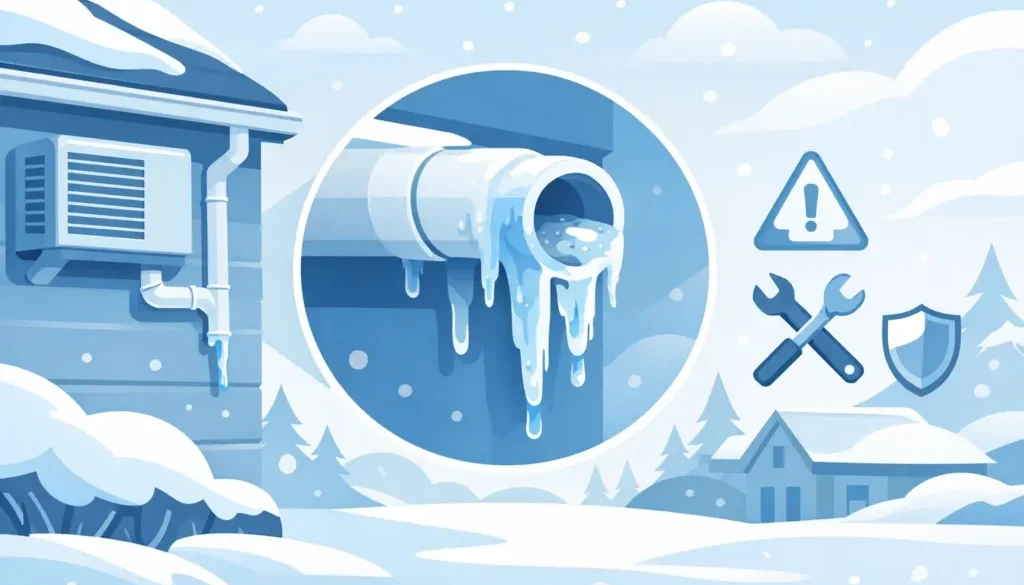
Modern condensing boilers produce water as they recover heat from their flue gases. That water leaves the boiler through a small plastic condensate pipe and drains away. If part of that pipe runs outdoors, low temperatures can freeze the condensate inside it. The blockage then causes the boiler to shut down as a safety measure.
Signs your condensate pipe may be frozen
A frozen condensate pipe is most likely when the weather has been at or below freezing, particularly overnight. Your boiler may make a gurgling sound before stopping, display a fault code, or simply go into lockout. The exact code differs by boiler make and model, so check the manufacturer’s instructions if you have them.
Look for a white, grey or black plastic pipe leading from the boiler, often through an external wall and into a drain. It may be visibly frosted or have ice around its outlet, but the blockage is not always obvious from the outside.
Before assuming the pipe is frozen, check that your gas supply is working and that there has not been a power cut. If you smell gas, do not investigate the boiler or attempt a repair. Turn off the gas supply if it is safe to do so, avoid electrical switches and contact the appropriate gas emergency service straight away.
How to stop a frozen condensate pipe from blocking your boiler
If the external pipe is safely accessible from ground level, you can usually thaw it yourself. Do not climb ladders, stand on slippery surfaces or try to reach pipework at height. A temporary loss of heating is frustrating, but a fall in icy conditions is a far greater risk.
Start by switching the boiler off at its controls. Locate the likely frozen section, which is commonly the exposed outside length, a bend in the pipe, or the point where it enters a drain. Use a hot water bottle, a heat pack, or warm water from a jug to gently thaw the pipe. Work from the end nearest the drain back towards the building where possible.
The water must be warm, not boiling. Boiling water can soften, crack or distort plastic pipework, particularly when the pipe is already very cold. It can also splash and cause burns. Never use a naked flame, blowtorch, heat gun or any electrical heating device outdoors around wet pipework.
Once the ice has cleared, dry any obvious water around the area and reset the boiler following the instructions in its manual. Usually, one reset is enough. If the boiler starts and continues to run normally, keep an eye on the pipe during the next period of freezing weather.
Do not repeatedly reset a boiler that will not restart. A persistent lockout can indicate that the blockage remains, or that another fault needs attention. It is also best not to remove covers from the boiler itself. Internal repairs and gas-related work should always be left to a qualified Gas Safe registered engineer.
When to call a heating engineer
A frozen condensate pipe is often straightforward to deal with, but there are situations where professional help is the sensible option. Call an engineer if the pipe cannot be reached safely, the boiler will not reset after thawing, water is leaking from the boiler, or the pipe freezes repeatedly.
Landlords should act promptly when a tenant has no heating or hot water in cold weather. While the frozen pipe itself may be external, a reliable repair may involve reviewing the entire condensate route, its insulation and its connection to the drain.
A qualified heating engineer can confirm whether the issue is genuinely a frozen condensate line rather than a boiler fault. They can also make alterations that comply with current good practice, without creating drainage problems elsewhere on the system.
Preventing a frozen condensate pipe next winter
The best long-term answer depends on where the pipe runs and how much of it is exposed. Insulation can make a real difference, but it is not a cure for poorly routed or undersized pipework. External insulation must be suitable for outdoor use, fitted continuously and protected from weather damage.
In some cases, an engineer may recommend increasing the external pipe diameter, reducing the length of the outdoor run or changing the route so that more of the pipe is inside the property. A larger pipe is less likely to freeze because it takes longer for the condensate to block it. However, rerouting is not always practical, especially where access, drainage falls or existing building layouts limit the options.
The pipe also needs a suitable downward fall towards the drain. If water sits in a low section or sagging bend, it can freeze more easily. Simply wrapping that area in insulation may not solve the underlying problem.
Keep the drain connection clear of leaves, garden debris and standing water. During a cold spell, a quick visual check of accessible external pipework can spot ice forming before the boiler shuts down. If your heating is due for its annual service, ask the engineer to inspect the condensate pipework as part of the visit.
Avoid common mistakes in freezing weather
It is tempting to take quick action when the house is cold, but a few common approaches can cause more damage than the original blockage. Avoid pouring boiling water over plastic pipework, hitting the pipe to break ice, or cutting into it. A split condensate pipe can leak and may leave the boiler unable to operate until it has been repaired.
Do not block the pipe outlet or try to divert condensate into a bucket as a permanent solution. Condensate drainage is part of the boiler installation and needs to be correctly connected. Any temporary measure that interferes with the boiler’s drainage can lead to leaks, repeated shutdowns or damage.
It is also worth remembering that turning the heating completely off during a hard frost can make the issue more likely. If the home is occupied, maintaining a low, steady temperature is usually kinder to both the heating system and the property’s plumbing than allowing everything to become very cold. The right setting will depend on the household, insulation levels and whether anyone is away from home.
A practical approach to winter boiler reliability
A frozen condensate pipe is one of the more avoidable causes of winter boiler breakdowns. Safe thawing can often get the heating back on the same day, but repeat freezing calls for more than another hot water bottle. It is a sign that the external pipework needs attention.
For homeowners across Warrington and the North West, AquaHeat Heating Services can assess condensate pipework alongside boiler repairs and servicing, then recommend a practical fix based on the property rather than a one-size-fits-all answer. A small improvement to the pipe route, fall or insulation can be the difference between a warm home and a boiler lockout on the coldest morning of the year.