When Do Landlords Need Their CP12 Renewal?
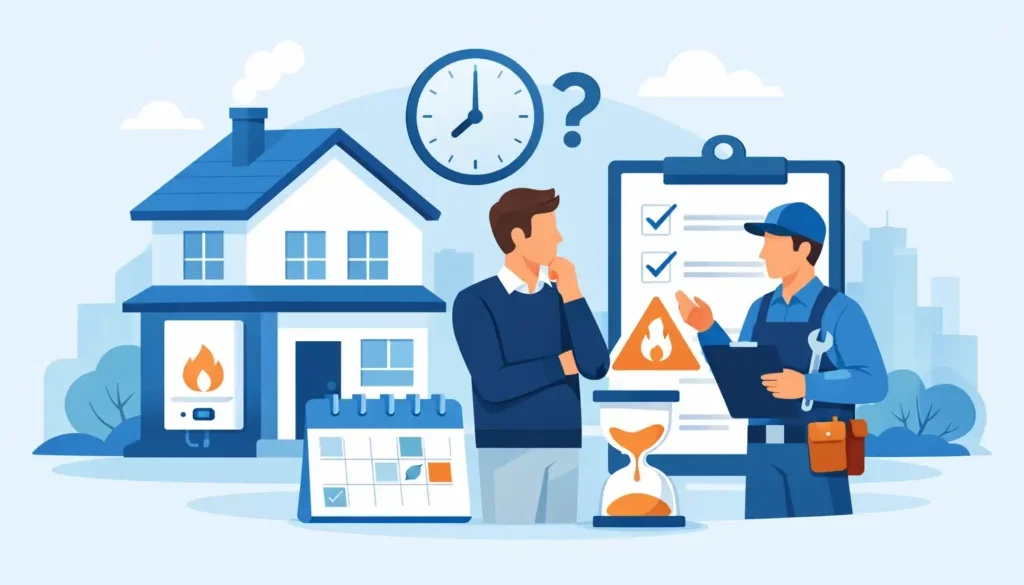
A CP12 is not a job to leave until the last minute. If you are asking when do landlords need CP12 renewal, the simple answer is every 12 months for any rented property with gas appliances, pipework or flues that you are responsible for. In practice, arranging the check before the current certificate expires is the safest way to protect your tenants, avoid a compliance gap and deal with any faults without unnecessary pressure.
A valid Landlord Gas Safety Record, often called a CP12 certificate, confirms that the required gas safety checks have been completed by a Gas Safe registered engineer. It is a legal responsibility, but more than that, it is a practical safety measure for the people living in your property.
When do landlords need CP12 renewal?
Landlords must have a gas safety check carried out at least once every 12 months. The check applies to gas appliances and flues provided for tenants’ use, such as boilers, gas fires, cookers and hobs, as well as the associated pipework where relevant.
There is no grace period once a certificate has expired. If the previous CP12 runs out on 10 October, the next check must have been completed by that date. Waiting until a tenant reports a boiler problem, or until the heating season starts, is not a substitute for the annual inspection.
For a new tenancy, the gas safety check must be completed before the tenant moves in. For an existing tenancy, landlords must provide the latest record within 28 days of the check. You must also keep copies of gas safety records for at least two years.
These duties apply whether you own one buy-to-let flat or manage a larger rental portfolio. Letting agents may help organise appointments, but the legal responsibility remains with the landlord unless there is a clear and suitable arrangement in place. It is sensible to check who is booking the work and who is receiving the certificate, rather than assuming it has been handled.
Book before expiry, not after it
Most landlords benefit from booking a CP12 renewal around four to eight weeks before its expiry date. This gives you a practical window to arrange access with the tenant and allows time for repairs if the engineer identifies a safety issue.
The regulations allow an inspection to be completed up to two months before the current record expires, while retaining the existing annual renewal date. For example, if your certificate expires on 30 September, a check completed from 1 August can usually maintain a 30 September renewal date for the following year. This makes it easier to avoid a rushed appointment without gradually moving your renewal date earlier every year.
However, this should not be confused with a reason to delay. If you leave the booking until the final few days, a tenant may be unavailable or an appliance may need repair work before a satisfactory record can be issued. A boiler that has been classed as unsafe cannot simply be ignored because the certificate is due.
For landlords with several properties, setting calendar reminders at the ten-month mark can make renewal dates much easier to manage. Keep the reminder with the property address, tenant contact details and any notes about access arrangements or previous repairs.
What happens during a CP12 gas safety check?
A CP12 inspection is not the same as a full boiler service, although the two are often booked together. A gas safety check focuses on whether gas appliances are operating safely. A service goes further into maintenance, cleaning and performance checks recommended by the appliance manufacturer.
During the visit, a Gas Safe registered engineer will assess the relevant gas appliances, flues and installations. This normally includes checking for correct operation, safe combustion, suitable ventilation, signs of gas leaks and whether flues are safely removing combustion products. The engineer will also check that required safety devices are working as they should.
If everything is satisfactory, you will receive a Landlord Gas Safety Record. It should include details of the property, the appliances checked, the results, any defects found, the engineer’s Gas Safe registration details and the date for the next check.
If there is a fault, the outcome depends on its severity. Some defects may need repair but do not present an immediate danger. Others may mean an appliance needs to be turned off and labelled as unsafe. Where there is an immediate risk to tenants, the appliance must not be used until it has been made safe by a qualified engineer.
Which appliances are covered?
Landlords are responsible for gas appliances they provide in the property. That commonly includes the central-heating boiler, gas fire, gas hob or cooker, and any flue serving those appliances. Flues can be overlooked where they run through boxed-in areas, cupboards or voids, but they remain a key part of the safety check.
A tenant-owned gas appliance is generally not the landlord’s responsibility to maintain, but this can depend on the circumstances. The landlord still has duties regarding the safety of their own gas installation, pipework and flues. If you are unsure who owns an appliance, or if an old appliance has been left in the property by a previous occupier, ask a qualified engineer for clear advice before the inspection.
It is also worth remembering that a CP12 does not replace broader maintenance responsibilities. A neglected boiler may still break down even if it passes a gas safety check. Combining a CP12 with an annual boiler service can be a sensible option, particularly for rental properties with older heating systems or appliances working hard through winter.
What if a tenant will not provide access?
Tenants should be given reasonable notice of a proposed visit, and landlords need access to meet their gas safety obligations. In reality, access can be difficult when tenants work shifts, travel regularly or have concerns about appointments during the day.
You should make reasonable efforts to arrange the inspection. Start early, offer more than one appointment where possible, and keep a written record of calls, messages, letters and proposed dates. Explain that the visit is a legal safety check and that it helps protect everyone in the property.
Do not attempt to enter a tenant’s home without the proper notice or authority simply to complete a CP12. If access continues to be refused, keep evidence of your efforts and seek appropriate advice on your next steps. The key point is that failing to obtain access should not mean failing to try. A clear paper trail is far better than discovering after an incident that no action was taken.
Common mistakes that cause avoidable problems
The most common issue is treating the certificate expiry date as the day to start looking for an engineer. This creates pressure for you, the tenant and the contractor, especially during colder months when heating engineers are dealing with more breakdowns.
Another mistake is using an engineer who is not appropriately registered for gas work. Always ensure the inspection is carried out by a Gas Safe registered engineer qualified for the appliances being checked. A general handyman or an unregistered tradesperson cannot issue a valid Landlord Gas Safety Record.
Landlords can also lose track of paperwork when a property changes managing agent, a tenant renews their agreement, or a boiler is replaced. Store certificates in one place and give the tenant their copy promptly. If you install a new boiler or add a gas appliance, arrange for the safety records to reflect the current equipment rather than relying on an old certificate.
A practical approach for Warrington landlords
For most landlords, the best approach is straightforward: book the annual check in advance, confirm access with the tenant, deal with any faults promptly and keep the completed record safely filed. This reduces the risk of an expired certificate and helps avoid emergency repairs when your tenant needs heating or hot water.
AquaHeat Heating Services can carry out landlord gas safety checks for properties in Warrington and the surrounding North West, with qualified engineers who can explain any findings in plain language. If your CP12 is due soon, arranging the appointment early gives everyone more time, more choice and greater peace of mind.