How to Spot Boiler Pressure Problems
One of the most common boiler issues we see starts with a small change on the pressure gauge. The heating still works, just not quite as it should. Then radiators take longer to warm up, the boiler needs resetting, or hot water becomes unreliable. If you are wondering how to spot boiler pressure problems, the good news is that there are a few clear signs you can look for before a minor fault turns into a bigger repair.
Boiler pressure is simply the level of water pressure inside your central heating system. On most domestic boilers, the normal range when the system is cold is usually around 1 to 1.5 bar, although the exact figure can vary slightly by make and model. If the pressure drops too low or rises too high, the boiler may struggle to work properly and can lock out as a safety measure.
How to spot boiler pressure problems at home
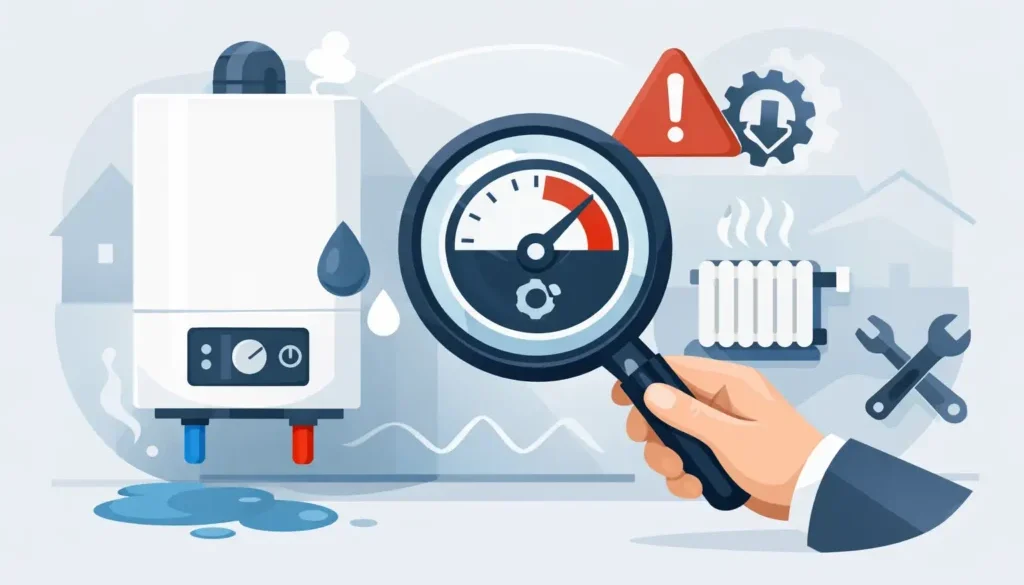
The first place to check is the pressure gauge on the front of the boiler. On many systems, this will be a small dial with coloured sections, or a digital display showing the pressure reading. If the needle is sitting below the recommended range, you are likely dealing with low pressure. If it is creeping too far up, especially towards 3 bar, that points to high pressure.
The gauge is useful, but it is not the only clue. Your heating system often gives other warning signs. You may notice radiators that stay lukewarm at the top or take much longer to heat up than usual. The boiler might switch itself off and show a fault code. In some homes, the hot water starts running hot and cold. These are the sort of day-to-day changes that tell you something is not quite right.
A sudden drop in pressure is more concerning than a slow change over time. Pressure can reduce gradually through small losses in the system, but if it falls quickly after you top it up, that often suggests a leak or a faulty component that needs proper attention.
Signs of low boiler pressure
Low pressure is generally the more common problem in domestic heating systems. If the pressure sits well below 1 bar, many boilers will stop working efficiently, and some will shut down altogether.
You might first notice that the radiators are not heating evenly, or that the house is taking longer to warm up. In some cases, the boiler may fire up and then cut out. The pressure gauge will usually confirm what is happening, but it is worth paying attention to these performance changes as well.
There are a few likely causes. A small leak somewhere in the pipework or around a radiator valve is one of them. Bleeding radiators can also reduce pressure, which is normal, but the system may then need topping up correctly. In other cases, the issue may be linked to an internal part such as the pressure relief valve or expansion vessel.
It depends on how often it happens. If you top the boiler up once after bleeding a radiator and it stays steady, that is not usually a major concern. If you are repressurising it every few days, the system is losing pressure for a reason and should be checked by a qualified engineer.
Signs of high boiler pressure
High pressure tends to be less common, but it can still happen and should not be ignored. If your gauge is climbing towards 2.5 or 3 bar, especially when the heating is on, the system may be under too much strain.
Sometimes this happens because too much water has been added during repressurising. That is the simple version. In other cases, the problem is more technical, such as an issue with the expansion vessel. That component helps manage changes in pressure as the water heats up, so when it is not doing its job properly, pressure can rise more than it should.
You may also spot water dripping outside through a copper pipe, often called the pressure relief pipe. This can be a sign that the system is venting excess pressure. If that is happening regularly, it is worth getting the boiler checked rather than assuming it will settle down on its own.
Common causes behind pressure changes
Boiler pressure problems are not always caused by the boiler itself. The wider heating system plays a part, and that is why a proper diagnosis matters.
Leaks are one of the most common reasons for low pressure. They are not always obvious. Sometimes it is a visible drip under a radiator valve, but sometimes the leak is hidden under floorboards or in pipework you rarely see. Even a small leak can slowly bring the pressure down.
Another common cause is recent work on the system. If radiators have been bled, replaced, or removed for decorating, the pressure may simply need resetting. That is straightforward enough if everything else is working as it should.
For high pressure, overfilling the system is a frequent cause, especially if a filling loop has been used for too long. But if the pressure keeps rising even when you have not added water, there may be a fault with the expansion vessel or another internal part.
The key point is that pressure changes are a symptom, not a full diagnosis. The gauge tells you something is wrong, but not always why.
What you can safely check yourself
If you are trying to work out how to spot boiler pressure problems without taking risks, stick to basic visual checks. Look at the gauge and compare it with the manufacturer guidance if you have it. Check around radiators, valves, and visible pipework for signs of dripping, staining, or damp patches. Listen for gurgling in the system, as trapped air can sometimes point to circulation issues and recent pressure loss.
If you have recently bled your radiators and the pressure is low, it may be appropriate to repressurise the system using the filling loop. The exact method varies between boilers, so it is worth following the appliance instructions carefully. The aim is to bring the pressure back into the recommended range, not to guess.
What you should not do is keep topping the system up repeatedly without finding the cause. Fresh water introduced too often can add oxygen into the system, which can contribute to corrosion over time. More importantly, repeated pressure loss usually means there is a fault somewhere that needs sorting.
When to call a heating engineer
A one-off pressure adjustment is one thing. Ongoing pressure problems are another. If the boiler keeps losing pressure, keeps rising into the red, shows repeated fault codes, or starts leaking water, it is time to get it checked.
This is especially important if you suspect a fault with an internal boiler component. Boilers are not DIY appliances. Any work involving gas, combustion, or sealed internal parts should be left to a Gas Safe registered engineer.
For landlords, pressure issues should be taken seriously even if the heating is still partly working. A tenant reporting unreliable hot water or a boiler that needs constant resetting is usually seeing the early signs of a wider problem. Dealing with it promptly can help avoid a full breakdown and the disruption that comes with it.
A local company such as AquaHeat Heating Services Limited will typically look beyond the gauge reading itself. The real job is finding out whether the problem comes from a leak, poor maintenance, wear and tear, or a failed component, then putting it right safely.
Preventing boiler pressure problems
You cannot prevent every fault, but regular servicing gives you the best chance of catching issues early. During a proper boiler service, an engineer can inspect the appliance, check key parts, and often spot signs of wear before they lead to pressure trouble.
It also helps to keep an eye on the pressure gauge now and again, especially after bleeding radiators or after any heating work has been carried out. You do not need to check it every day, but you should know where the normal range sits for your boiler.
If you notice a change, do not wait for a complete loss of heating. Pressure problems often start quietly. A slight drop on the gauge, a radiator that is not quite right, or the need for an occasional reset can be the first sign that your system needs attention.
A boiler rarely fails without warning. Most of the time, it gives you clues first. Catching them early can mean a simpler repair, lower cost, and less chance of losing heating and hot water when you need them most.