Emergency Plumber Warrington: First Steps
A burst pipe at 10pm, a boiler that has stopped working on a cold morning, or water coming through the ceiling can quickly turn from an inconvenience into a serious concern. When you need an emergency plumber Warrington homeowners can rely on, the priority is to make the property safe, limit damage and get the right qualified help.
Not every plumbing problem needs an out-of-hours visit, but some do. Knowing the difference can protect your home, avoid unnecessary costs and help an engineer deal with the fault more efficiently when they arrive.
First, make the situation safe
Before trying to diagnose the problem, take a moment to assess whether there is an immediate risk to people or property. Water near electrical sockets, a suspected gas leak, a major uncontrolled leak and signs of carbon monoxide all need prompt action.
If water is escaping quickly, switch off the water supply at the internal stop tap if you can do so safely. This is often under the kitchen sink, although its location varies between properties. Turn on the cold taps afterwards to drain the remaining water from the pipework and reduce pressure.
If water has reached electrics, do not touch switches, sockets or appliances in the affected area. If it is safe to access your consumer unit without going near water, switch off the relevant circuit or the main supply. Otherwise, keep clear and seek professional advice.
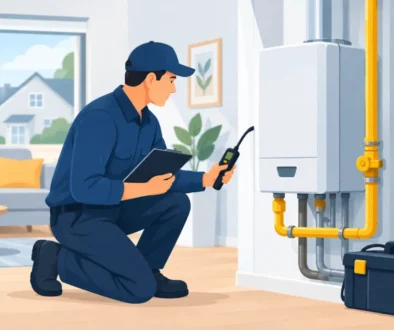
For a suspected gas leak, do not use electrical switches, naked flames, cigarettes or doorbells. Open doors and windows, leave the property, and call the National Gas Emergency Service on 0800 111 999. A gas concern is not a plumbing repair to put off until morning.
What counts as a plumbing emergency?
A plumbing emergency is usually a fault that is actively causing damage, presents a safety issue, or leaves the home without an essential service where waiting would make matters significantly worse.
A burst pipe, overflowing toilet that cannot be isolated, major leak through a ceiling, failed stop tap, or a boiler leak affecting electrics are clear examples. So is a complete loss of heating and hot water during very cold weather, particularly where there are young children, elderly residents or vulnerable people in the household.
Other issues may be urgent but can sometimes wait for a standard appointment. A steadily dripping tap, a slow-draining basin, a radiator that needs bleeding or a minor leak contained in a bucket will usually cause less risk overnight. That does not mean ignoring it. It means taking sensible temporary steps and arranging a repair as soon as possible.
The key question is simple: can you safely contain the fault without further damage or risk? If the answer is no, seek emergency help.
Dealing with a leak before the plumber arrives
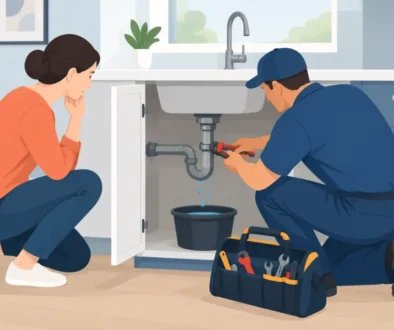
Water damage becomes expensive when it is allowed to spread. Once the water supply is isolated, move furniture, soft furnishings and valuables away from the affected area where possible. Use towels, containers or a waterproof sheet to catch drips, but do not place yourself beneath a sagging ceiling or attempt to puncture it.
A bulging ceiling can hold a substantial amount of water and may fail without warning. Keep people out of the room below, particularly if lights or electrical fittings are affected. If the leak is coming from a bathroom above, avoid using the shower, bath, toilet or basin until the source has been identified.
Take clear photographs of the damage and the source of the leak if it is safe to do so. This can be useful for insurance purposes, especially following a burst pipe or escape of water. Do not dismantle concealed pipework, remove boiler covers or carry out a temporary repair that could make the fault worse.
Boiler breakdowns and heating faults
A boiler failure is stressful, but a few checks can help establish whether there is a simple issue or a fault requiring an engineer. Check that the boiler has power, the thermostat is turned up, and the pressure gauge is within the range stated in your boiler manual. Also look for an error code on the display and make a note of it.
If the condensate pipe has frozen during cold weather, this can stop some boilers from operating. Only attempt to thaw an external condensate pipe if you can reach it safely from ground level and follow the manufacturer’s guidance. Never use boiling water, climb ladders or interfere with internal boiler components.
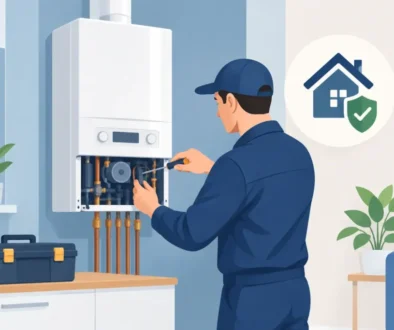
A boiler that is leaking, making unusual banging noises, repeatedly losing pressure or showing a persistent fault code needs professional attention. Do not remove the casing or try to repair a gas appliance yourself. Gas boilers should only be worked on by a suitably qualified, Gas Safe registered engineer.
If you smell gas, feel unwell, or a carbon monoxide alarm sounds, leave the building immediately and treat the situation as an emergency. Symptoms such as headaches, dizziness, nausea and confusion should never be dismissed where a fuel-burning appliance is involved.
What to tell an emergency plumber in Warrington
A clear description at the start helps the right engineer arrive prepared. Explain what has happened, when it began and whether the water, heating, gas or electricity supply has been isolated. Mention any visible damage, boiler error codes, smells, noises or water near electrical fittings.
It is also useful to say whether the property is a house, flat or rental home, and whether anyone vulnerable is without heating or hot water. For landlords, acting quickly protects the property and supports your responsibilities to tenants, particularly where gas safety or heating is involved.
A reputable local plumber should explain the likely next step, any call-out arrangements and what can reasonably be assessed before work begins. Some faults are straightforward to repair during the first visit. Others may require replacement parts, further investigation or a return visit, particularly if the fault is hidden behind walls, under floors or within a boiler.
Choosing help when time matters
During an emergency, it is tempting to accept the first available option. However, basic checks still matter. For plumbing and heating faults, use an established local company that is insured and experienced in domestic repairs. For any gas work, confirm the engineer is Gas Safe registered and qualified for the type of appliance involved.
Ask for clear information about charges and whether the visit covers diagnosis only or includes labour. Emergency work can cost more than a planned daytime appointment because of the timing and the need for a prompt response. Fair pricing is not always the lowest price. It means understanding what you are paying for and receiving a safe, properly completed repair.
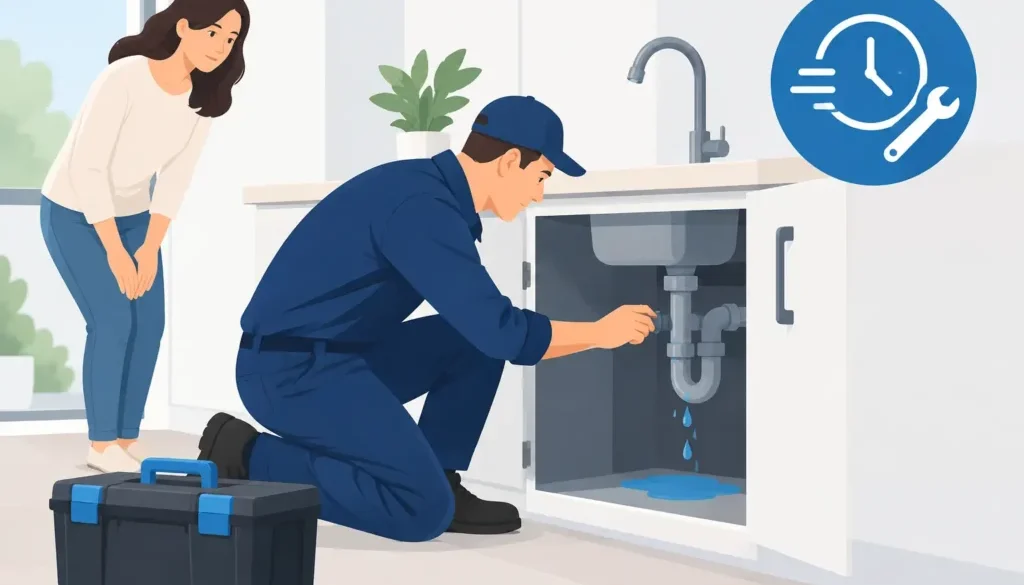
AquaHeat Heating Services Limited provides domestic plumbing, heating and gas engineering support across Warrington and the wider North West, with qualified engineers focused on safe, practical repairs. Where a permanent repair cannot be completed immediately, the aim should be to leave the property safe, minimise disruption and explain the next steps plainly.
Reducing the chance of another emergency
Many urgent plumbing calls begin with a small issue that has been left too long. An annual boiler service can identify developing faults before a complete breakdown, while regular checks under sinks, around toilets and near radiators can reveal small leaks early.
During winter, keep your heating on a low setting when the property is occupied and protect exposed pipework in colder areas such as lofts, garages and outside walls. Know where your stop tap is and make sure it turns freely. If you are a landlord, keep gas safety checks up to date and respond promptly to reports of heating or plumbing faults.
The calmest response to a household emergency is rarely about having technical knowledge. It is about knowing how to isolate the risk, avoiding unsafe DIY work and calling qualified help before a manageable fault becomes a much larger repair.